A Natural Solution for California's Herds: African Catfish Peptides

California's cattle producers and agricultural communities are all too familiar with the rising challenge of antibiotic resistance, making common bacterial infections harder to treat in livestock. But imagine a future where we could tackle these infections with a natural, powerful alternative. Our research points to just that: antimicrobial peptides (AMPs) found in African catfish.

We're really excited about these peptides because African catfish thrive in pathogen-rich freshwater, naturally producing these robust immune compounds in their skin mucus as a defense. This natural origin makes them highly appealing alternatives to synthetic drugs.

Predicted Safety and Potent Action

One of the most compelling aspects of these AMPs is their predicted safety for mammals. Our initial computer analyses suggest that various catfish AMPs are generally recognized as safe (GRAS). We predict they'll be absorbed in the human intestine without causing liver, brain, or heart toxicity. Furthermore, lab tests on a promising peptide, NACAP-II, confirmed it was non-hemolytic, meaning it didn't damage rabbit red blood cells—a strong indicator of its potential safety for mammalian cells.

Beyond safety, these peptides demonstrate effectiveness against problematic bacteria. One study revealed NACAP-II's strong activity against Extended-Spectrum Beta-Lactamase (ESBL)-producing Escherichia coli—a critical concern for both animal and human health due to its resistance to many common antibiotics. Another peptide, ACAP-IV, also showed antibacterial activity against E. coli and Staphylococcus aureus. We believe these AMPs work by directly disrupting bacterial cell membranes, a mechanism that makes it harder for bacteria to develop resistance compared to how they resist traditional antibiotics.
Primary Image
Late June Drop of Gravenstein Apples.
The Backyard Gardener: Article

The June Drop (In July)

July 9, 2018
If you have fruit trees you are probably now getting a little tired of raking up fallen fruits which are the result of a natural occurrence known as the June Drop. This year the phenomenon is extending well into July, to the point that one wonders if there will be a crop left to harvest.
View Article
Primary Image
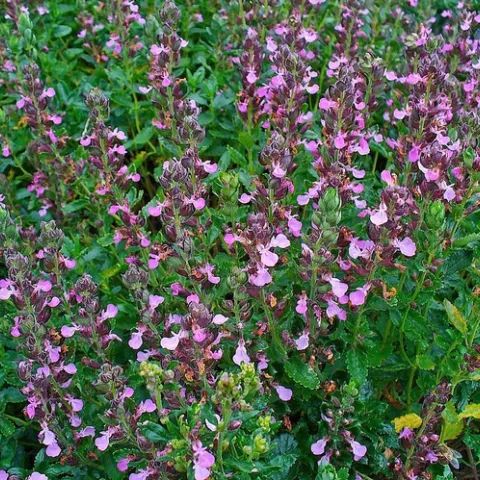
lavender
Nutrition News in the Butte Cluster: Article

Whether you are planting a home garden, school garden, or a small farm, pollinators may be the key to your success! Here’s why!

July 9, 2018
What is pollination and who are the pollinators? Pollination occurs when pollen is moved within flowers or carried from flower to flower by pollinators. Pollinators consist of birds, bees, bats, butterflies, moths, beetles, hummingbirds, ladybugs, and various others including the wind.
View Article
Central Sierra Livestock & Natural Resources: Article

July 2018

July 9, 2018
A gray wolf visits Nevada County Is your ranch ready for fire season?
View Article
Primary Image
LandscapePerimeterSpray
BLP's in OC: Article

Summer Ant Invasion!

July 9, 2018
By Tamara J Majcherek
Like most Southern Californians, especially residents of Orange County, there is a good chance that you have been seeing trails of ants searching for water or sugar and looking for a place to nest.
View Article
Primary Image
soil moisture US
Topics in Subtropics: Article

NASA Soil Moisture Mapping

July 9, 2018
By Ben A Faber
By Mary von Aue June 3, 2018 The US Department of Agriculture (USDA) is now using data collected from the first NASA satellite mission dedicated to measuring the water content of soils.
View Article
Primary Image
lichen covered trumk
HOrT COCO-UC Master Gardener Program of Contra Costa: Article

Plum Problem Possibilities

July 9, 2018
Advice for the Home Gardener from the Help Desk of the UC Master Gardener Program of Contra Costa County Client's Request: Hi. We have a beautiful, delicious, amazing plum tree in our backyard. Every year, we've had so many plums that we've been able to share them with friends and neighbors.
View Article
Primary Image
Angel fish
ANR Adventures: Article

Fighting the desired state

July 8, 2018
By Wendy Powers
Typhoon Maria made it to Guam a day ahead of me. While I missed out on the main event of the natural disaster, I've witnessed the uprooted trees, flooding, and residual heavy rainfalls. The sun came out this morning and the Philippine Sea was calm enough for some snorkeling.
View Article
Primary Image
Adult flower or crab spider. (Credit: Jack Kelly Clark)
Pests in the Urban Landscape: Article

Summer Spider Sightings

July 8, 2018
By Anne E Schellman
When you see spiders in your garden, you may wonder if they can hurt you or your pets. The good news is, most spiders are not likely to bite or cause lasting harm if they do.
View Article