A Natural Solution for California's Herds: African Catfish Peptides

California's cattle producers and agricultural communities are all too familiar with the rising challenge of antibiotic resistance, making common bacterial infections harder to treat in livestock. But imagine a future where we could tackle these infections with a natural, powerful alternative. Our research points to just that: antimicrobial peptides (AMPs) found in African catfish.

We're really excited about these peptides because African catfish thrive in pathogen-rich freshwater, naturally producing these robust immune compounds in their skin mucus as a defense. This natural origin makes them highly appealing alternatives to synthetic drugs.

Predicted Safety and Potent Action

One of the most compelling aspects of these AMPs is their predicted safety for mammals. Our initial computer analyses suggest that various catfish AMPs are generally recognized as safe (GRAS). We predict they'll be absorbed in the human intestine without causing liver, brain, or heart toxicity. Furthermore, lab tests on a promising peptide, NACAP-II, confirmed it was non-hemolytic, meaning it didn't damage rabbit red blood cells—a strong indicator of its potential safety for mammalian cells.

Beyond safety, these peptides demonstrate effectiveness against problematic bacteria. One study revealed NACAP-II's strong activity against Extended-Spectrum Beta-Lactamase (ESBL)-producing Escherichia coli—a critical concern for both animal and human health due to its resistance to many common antibiotics. Another peptide, ACAP-IV, also showed antibacterial activity against E. coli and Staphylococcus aureus. We believe these AMPs work by directly disrupting bacterial cell membranes, a mechanism that makes it harder for bacteria to develop resistance compared to how they resist traditional antibiotics.

Primary Image
Bruce Hammock (front) is flanked by two of his researchers, co-first author Jun Yang (left) and Sung Hee Hwang. (Photo by Kathy Keatley Garvey)

Hammock and Zhang labs: Targeting Obesity-Enhanced Colon Cancer

April 30, 2018
By Kathy Keatley Garvey
(Embargo lifts at noon, Pacific Time, April 30) A newly published study by researchers at the University of Massachusetts and the University of California, Davis sheds new light on the mechanisms involved in obesity-enhanced colon cancer and may offer a therapeutic target to block and treat colonic...
View Article
Primary Image
Paul and Molly Dinner Bell Farm
Farming in the Foothills: Article

“Letters from a Young Farmer”: Beginning Farming -Part 2

April 30, 2018
By Hannah Meyer
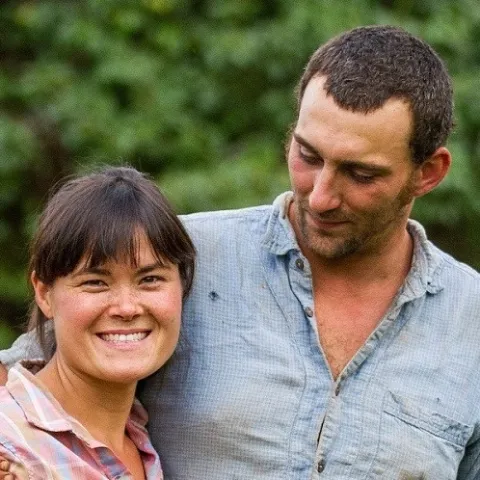
It is the time of year when most people with any interest in the outdoors begin thinking about planting something. The last blog post introduced local farmer, Paul Glowaski co-owner of Dinner Bell Farm, as he reflects on the challenges of starting a farm in the foothills.
View Article
Primary Image
RECs logo
ANR Employee News: Article

Research costs for RECs established

April 30, 2018
By Pamela S Kan-Rice
Following up on previous messages, the Rate and Recharge Committee and Associate Vice President Tu Tran have approved the full-costed rates for each of the nine Research and Extension Centers (RECs).
View Article
Primary Image
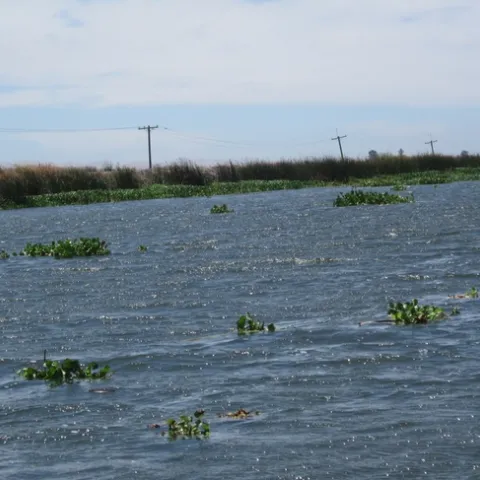
Figure 1. Water hyacinth mats floating in the Sacramento-San Joaquin Delta.
UC Weed Science (weed control, management, ecology, and minutia): Article

Tracking water hyacinth with GPS

April 30, 2018
By Guy Kyser
Water hyacinth (Eichhornia crassipes (Mart.) Solms)) is a perennial free-floating aquatic plant species native to the Amazon region of South America. It has become invasive around the world, including the Sacramento-San Joaquin Delta in central California.
View Article
Sacramento Valley Field Crops: Article

Small Grains and Alfalfa/ Forages Field Day May 17th, 2018

April 30, 2018
Join us on Thursday May 17th for this year's University of California Small Grains - Alfalfa/ Forages Field Day. The event will take place at the UC Davis Agronomy Field Headquarters on Hutchison Drive. Registration, parking, and lunch are free.
View Article
Primary Image
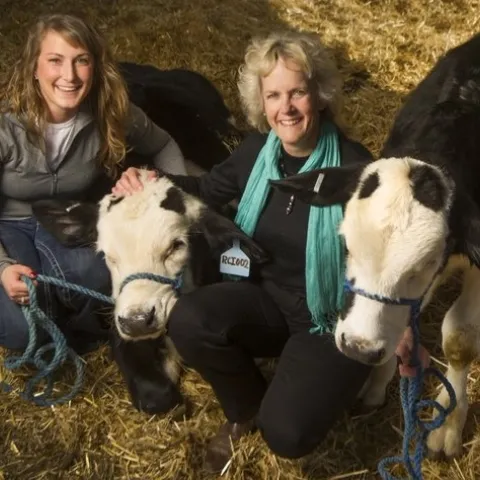
Graduate student Lindsay Upperman (left) and UCCE specialist Alison Van Eenennaam with gene-edited hornless dairy calves. (Photo: Karin Higgins)
ANR News Blog: Article

UCCE genetics specialist Alison Van Eenennaam a 'rising star'

April 30, 2018
By Jeannette Warnert
UC Cooperative Extension specialist Alison Van Eenennaam, an animal geneticist based at UC Davis, was named a 'rising star' in the online magazine ozy.com. Van Eenennaam operates at the forefront of biotechnology in animal agriculture, wrote reporter Marissa Fessenden.
View Article
Primary Image
Shrubby Bonsai

A Field Trip to Hawaii?

April 30, 2018
On a recent trip to Hawaii I discovered a bonsai nursery that was off- the- beaten path, not a tourist destination, and free.
View Article