A Natural Solution for California's Herds: African Catfish Peptides

California's cattle producers and agricultural communities are all too familiar with the rising challenge of antibiotic resistance, making common bacterial infections harder to treat in livestock. But imagine a future where we could tackle these infections with a natural, powerful alternative. Our research points to just that: antimicrobial peptides (AMPs) found in African catfish.

We're really excited about these peptides because African catfish thrive in pathogen-rich freshwater, naturally producing these robust immune compounds in their skin mucus as a defense. This natural origin makes them highly appealing alternatives to synthetic drugs.

Predicted Safety and Potent Action

One of the most compelling aspects of these AMPs is their predicted safety for mammals. Our initial computer analyses suggest that various catfish AMPs are generally recognized as safe (GRAS). We predict they'll be absorbed in the human intestine without causing liver, brain, or heart toxicity. Furthermore, lab tests on a promising peptide, NACAP-II, confirmed it was non-hemolytic, meaning it didn't damage rabbit red blood cells—a strong indicator of its potential safety for mammalian cells.

Beyond safety, these peptides demonstrate effectiveness against problematic bacteria. One study revealed NACAP-II's strong activity against Extended-Spectrum Beta-Lactamase (ESBL)-producing Escherichia coli—a critical concern for both animal and human health due to its resistance to many common antibiotics. Another peptide, ACAP-IV, also showed antibacterial activity against E. coli and Staphylococcus aureus. We believe these AMPs work by directly disrupting bacterial cell membranes, a mechanism that makes it harder for bacteria to develop resistance compared to how they resist traditional antibiotics.
UCCE in the County of San Luis Obispo: Article

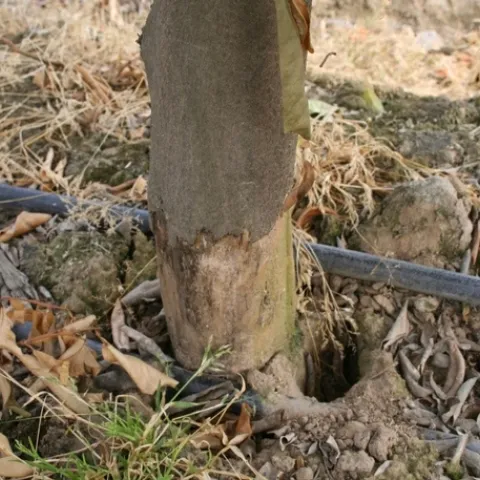
Ground Squirrel Workshop

February 5, 2018
Please see the attached flyer about the upcoming workshop on California ground squirrels.
View Article
Primary Image
Galveziaspeciosa-firecracker Flickr
UC Master Gardeners- Diggin' it in SLO: Article

Island Snapdragon

February 5, 2018
Island Snapdragon By Polly Nelson UCCE Master Gardener Galvezia Speciosa Planting Zone: Sunset 14-24 Size: 3-6 feet tall, 5-7 feet wide spreading mound. Bloom season: Most abundant in spring, intermittent year-round. Exposure: Sun to partial shade in hot inland areas.
View Article
Colusa County: Article

Walnut Day coming up

February 5, 2018
Walnut Day Thursday, February 22, 2018 1:00pm-4:30pm, registration begins at 12:00pm Veterans Memorial Hall, Yuba City For meeting details please see attachment.
View Article
Primary Image
A San Joaquin Master Gardener working in the Learning Landscape
What's Growing On - San Joaquin UC Master Gardeners: Article

Master Gardeners – we’re here to help you

February 5, 2018
By Marceline D Sousa
Have you ever wondered where to go for advice about landscaping or vegetable gardening? Does a pest problem have you stumped? Do you need guidance on how and when to prune your favorite specimen plant or fruit tree?
View Article
Primary Image
IMG 0746
Strawberries and Caneberries: Article

First Strawberries of the Year - Oh Yeeaah

February 5, 2018
By Mark P Bolda
Had a friend deliver two clamshells of fresh picked berries from his farm yesterday. It's early February, so this is pretty early. Fully ripe, plump and sweetened by the sun.
View Article
Primary Image
photos by Trishae Rose
Under the Solano Sun: Article

Christmastime Surprise

February 5, 2018
A few years ago I attended Ken William's Irrigation class at Solano College. One evening the class was re-piping the overhead sprinkler system in the greenhouse. Pipes were cut out and replaced and during this process there were a few plant casualties.
View Article
Merced County Cooperative Extension: Article

February 2018

February 5, 2018
February 8, 2018 meeting agenda DPR Units Requested: 1.0 hours L&R and 1.0 "other". 3.
View Article