A Natural Solution for California's Herds: African Catfish Peptides

California's cattle producers and agricultural communities are all too familiar with the rising challenge of antibiotic resistance, making common bacterial infections harder to treat in livestock. But imagine a future where we could tackle these infections with a natural, powerful alternative. Our research points to just that: antimicrobial peptides (AMPs) found in African catfish.

We're really excited about these peptides because African catfish thrive in pathogen-rich freshwater, naturally producing these robust immune compounds in their skin mucus as a defense. This natural origin makes them highly appealing alternatives to synthetic drugs.

Predicted Safety and Potent Action

One of the most compelling aspects of these AMPs is their predicted safety for mammals. Our initial computer analyses suggest that various catfish AMPs are generally recognized as safe (GRAS). We predict they'll be absorbed in the human intestine without causing liver, brain, or heart toxicity. Furthermore, lab tests on a promising peptide, NACAP-II, confirmed it was non-hemolytic, meaning it didn't damage rabbit red blood cells—a strong indicator of its potential safety for mammalian cells.

Beyond safety, these peptides demonstrate effectiveness against problematic bacteria. One study revealed NACAP-II's strong activity against Extended-Spectrum Beta-Lactamase (ESBL)-producing Escherichia coli—a critical concern for both animal and human health due to its resistance to many common antibiotics. Another peptide, ACAP-IV, also showed antibacterial activity against E. coli and Staphylococcus aureus. We believe these AMPs work by directly disrupting bacterial cell membranes, a mechanism that makes it harder for bacteria to develop resistance compared to how they resist traditional antibiotics.

Primary Image
Brendon Boudinot, co-coordinator
Entomology & Nematology News: Article

Seminar Schedule Announced for Winter Quarter

January 8, 2018
By Kathy Keatley Garvey
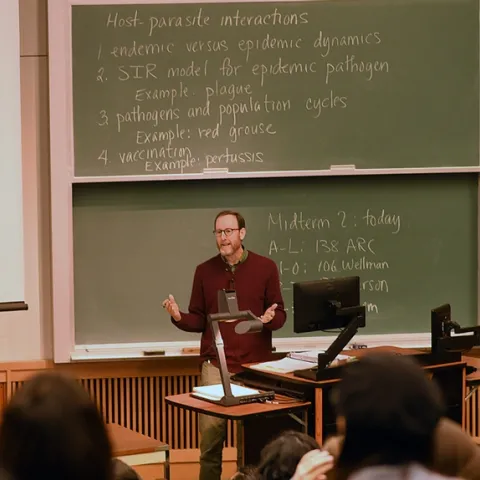
The UC Davis Department of Entomology and Nematology has announced the list of seminars it will host for the winter quarter. The seminars begin Jan. 10 and will continue through March 14. All will take place on Wednesdays from 4:10 to 5 p.m. in 122 Briggs Hall, Kleiber Hall Drive.
View Article
Primary Image
Lettuce
News from UC ANR South Coast REC and Beyond: Article

What does IPM and food have in common?

January 8, 2018
By Tamara J Majcherek
During your recent visits to the grocery store, have you noticed price increases on various products? Very often the problem can come down to pest issues. Read more about what scientists in the south are doing to prevent negative crop damage using IPM at https://ipmsouth.
View Article

Winter Grower Meetings 2018

January 8, 2018
By Whitney B Brim-Deforest
2018 Annual Rice Grower Meetings Sponsored by UC Cooperative Extension -------------- 5 Locations -------------- WHERE & WHEN Woodland: Tuesday, Jan. 16, 1:30 pm, Cracchiolo's Market, 1320 E. Main St., Woodland Richvale: Wednesday, Jan. 17, 8:30 am, Evangelical Church, 5219 Church St.
View Article
Primary Image
drone
Topics in Subtropics: Article

Thinking of Using Drones for Weed or Fire Assessment Work?

January 8, 2018
By Ben A Faber
Area IPM Advisor IPM Natural Resources Extension Coordinator Endemic and Invasive Pests and Diseases Strategic Initiative Leader UC Statewide IPM Program & UCCE Aerial drones are cool. But they can't do everything (just yet).
View Article
Primary Image
Who Me?
HOrT COCO-UC Master Gardener Program of Contra Costa: Article

Whose (S)cat is That?

January 8, 2018
Advice for the Home Gardener from the Help Desk of the UC Master Gardener Program of Contra Costa County Client's Request: Hello, I live in central county and frequently find scat in different areas of my backyard and cannot identify the source.
View Article
NCPN Roses: Article

Five Ways to Manage Rose Rosette Disease

January 6, 2018
Monitor for symptoms frequently (once per week). Bag and remove diseased plants quickly (there is no known cure for Rose Rosette disease).Bagging is necessary to prevent further spread of the disease via the air borne mite vector. Remove the root ball.
View Article