A Natural Solution for California's Herds: African Catfish Peptides

California's cattle producers and agricultural communities are all too familiar with the rising challenge of antibiotic resistance, making common bacterial infections harder to treat in livestock. But imagine a future where we could tackle these infections with a natural, powerful alternative. Our research points to just that: antimicrobial peptides (AMPs) found in African catfish.

We're really excited about these peptides because African catfish thrive in pathogen-rich freshwater, naturally producing these robust immune compounds in their skin mucus as a defense. This natural origin makes them highly appealing alternatives to synthetic drugs.

Predicted Safety and Potent Action

One of the most compelling aspects of these AMPs is their predicted safety for mammals. Our initial computer analyses suggest that various catfish AMPs are generally recognized as safe (GRAS). We predict they'll be absorbed in the human intestine without causing liver, brain, or heart toxicity. Furthermore, lab tests on a promising peptide, NACAP-II, confirmed it was non-hemolytic, meaning it didn't damage rabbit red blood cells—a strong indicator of its potential safety for mammalian cells.

Beyond safety, these peptides demonstrate effectiveness against problematic bacteria. One study revealed NACAP-II's strong activity against Extended-Spectrum Beta-Lactamase (ESBL)-producing Escherichia coli—a critical concern for both animal and human health due to its resistance to many common antibiotics. Another peptide, ACAP-IV, also showed antibacterial activity against E. coli and Staphylococcus aureus. We believe these AMPs work by directly disrupting bacterial cell membranes, a mechanism that makes it harder for bacteria to develop resistance compared to how they resist traditional antibiotics.

Not a Good Way to Welcome an Admiral

July 20, 2017
By Kathy Keatley Garvey
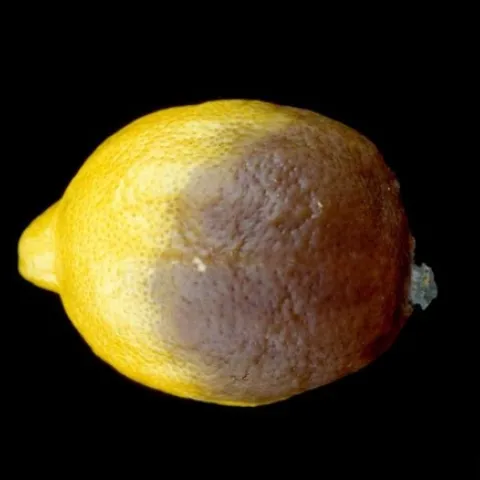
It was not a good way to welcome an admiral. The Red Admiral butterfly, that is. The Vanessa atalanta fluttered into our pollinator garden on Sunday, July 16 in Vacaville, Calif., and touched down on a Mexican sunflower (Tithonia).
View Article
UC Weed Science (weed control, management, ecology, and minutia): Article

Weed Day 2017 field tour highlights

July 20, 2017
By Gale Perez
Here's a video (produced by Ray Lucas of UC ANR Communications Services) of the field tour of Weed Day 2017. https://youtu.
View Article
Primary Image
nutsedge nuts
Topics in Subtropics: Article

Don't Fight It, Bite It

July 19, 2017
By Ben A Faber
Rain is unusual in that it germinates weed seeds and then the need to manage them in some fashion arises. Many subtropical tree growers do not like the potential impact of pre-emergent herbicides on tree growth due to potential damage to shallow roots.
View Article
Bug Squad: Article

Bohart Museum to Celebrate Moth Night on July 22

July 18, 2017
By Kathy Keatley Garvey
The Bohart Museum of Entomology at the University of California, Davis, will celebrate National Moth Week on Saturday night, July 22 with an indoor-and-outdoor open house featuring blacklighting; moth displays including the Trump moth, and free refreshments of hot chocolate and cookies.
View Article

Seeing Spots: 12 of Them!

July 17, 2017
By Kathy Keatley Garvey
Most of the time, I see red. Occasionally, I see spots. Red? The flameskimmer dragonflies (Libellula saturata) that hang out in our pollinator garden. Spots? The 12-spot dragonfly, Libellula pulchella.
View Article
UC Weed Science (weed control, management, ecology, and minutia): Article

Weed Day 2017 success

July 17, 2017
By Brad Hanson
In case you weren't able to attend the 61st Annual Weed Day hosted by the UC Davis Weed Science Program and the UC Weed Research and Information Center, here's what you missed: First, we had fantastic weather, only getting into the 90s by the end of the tour and an excellent turnout with around 140...
View Article
Conservation Agriculture: Article

New CASI video available

July 17, 2017
By Jeffrey P Mitchell
New CASI video available on "Twenty years of no-tilled double-cropped cotton and wheat in Goodyear, AZ" at https://youtu.
View Article
Primary Image
Teamrat Ghezzehei, Samuel Araya, Essey Afewerki, and Jing Yan, (left to right) at the NRI Project field in Five Points, July 12, 2017
Conservation Agriculture: Article

UC Merced soil physics researchers visit NRI Project in Five Points

July 17, 2017
By Jeffrey P Mitchell
UC Merced soil physics professor, Teamrat Ghezzehei, along with Post-Doc researcher, Jing Yan, PhD student Samuel Araya, and Teamrat's son, Essey Afewerki, visited the longstanding NRI Project in Five Points on July 12th to orient themselves regarding upcoming research they'll be conducting on hydra...
View Article