A Natural Solution for California's Herds: African Catfish Peptides

California's cattle producers and agricultural communities are all too familiar with the rising challenge of antibiotic resistance, making common bacterial infections harder to treat in livestock. But imagine a future where we could tackle these infections with a natural, powerful alternative. Our research points to just that: antimicrobial peptides (AMPs) found in African catfish.

We're really excited about these peptides because African catfish thrive in pathogen-rich freshwater, naturally producing these robust immune compounds in their skin mucus as a defense. This natural origin makes them highly appealing alternatives to synthetic drugs.

Predicted Safety and Potent Action

One of the most compelling aspects of these AMPs is their predicted safety for mammals. Our initial computer analyses suggest that various catfish AMPs are generally recognized as safe (GRAS). We predict they'll be absorbed in the human intestine without causing liver, brain, or heart toxicity. Furthermore, lab tests on a promising peptide, NACAP-II, confirmed it was non-hemolytic, meaning it didn't damage rabbit red blood cells—a strong indicator of its potential safety for mammalian cells.

Beyond safety, these peptides demonstrate effectiveness against problematic bacteria. One study revealed NACAP-II's strong activity against Extended-Spectrum Beta-Lactamase (ESBL)-producing Escherichia coli—a critical concern for both animal and human health due to its resistance to many common antibiotics. Another peptide, ACAP-IV, also showed antibacterial activity against E. coli and Staphylococcus aureus. We believe these AMPs work by directly disrupting bacterial cell membranes, a mechanism that makes it harder for bacteria to develop resistance compared to how they resist traditional antibiotics.
UC Weed Science (weed control, management, ecology, and minutia): Article

Some weeds ahead of rice this year

June 25, 2017
By Whitney B Brim-Deforest
I went out on a few farm calls in the past week, and have noticed a trend. Due to the unusually wet weather this spring, some of the weeds are already producing seed out in the field! This occurs when the field was moist or wet in the spring, and was not tilled or sprayed prior to planting.
View Article
Primary Image
Healthy Livestock Workshop Poster
Livestock & Range: Article

Healthy Livestock - Healthy Land: July 8 at 101 Livestock

June 24, 2017
By Devii R Rao
The Livestock and Land program works with livestock owners to promote environmental stewardship on livestock properties. They are having a workshop on Saturday, July 8th from 8:30-12:30 at 101 Livestock Market (4400 US-101, Aromas, CA 95004).
View Article

Why We Need to Push for Pollinator Protection

June 23, 2017
By Kathy Keatley Garvey
The 10th annual National Pollinator Week ends Sunday, June 25, and what an opportunity it's been to showcase our pollinators! As noted entomologist May Berenbaum pointed out, it's "a celebration of Earth's 100,000-plus animal species that, by transporting pollen and facilitating flower fertilization...
View Article
Primary Image
bombus vosnesenskii
Topics in Subtropics: Article

Beeezzz Weeeeeek

June 22, 2017
By Ben A Faber
Pollinator Week, June 1925, 2017: Bee Knowledgeable! UC Statewide IPM Program Remember, the plant that contributes the pollen is the pollenizer (sometimes pollinzer or polleniser) and the animal that moves the pollen is the pollinator (sometimes pollenator) which doesn'talways have to be a bee, but...
View Article
UC Weed Science (weed control, management, ecology, and minutia): Article

Puncturevine is back

June 22, 2017
By Guy Kyser
Puncturevine (Tribulus terrestris) kept a low profile during the drought years but seems to have exploded following this year's rains. (It is still lying low', so to speak, but there is a lot more of it.
View Article

Kate Frey: How to Attract Pollinators

June 22, 2017
By Kathy Keatley Garvey
It's National Pollinator Week and you might be wondering where your pollinators are. I'd love to attract honey bees, bumble bees and other pollinators, but what can I do?" you ask.
View Article
Primary Image
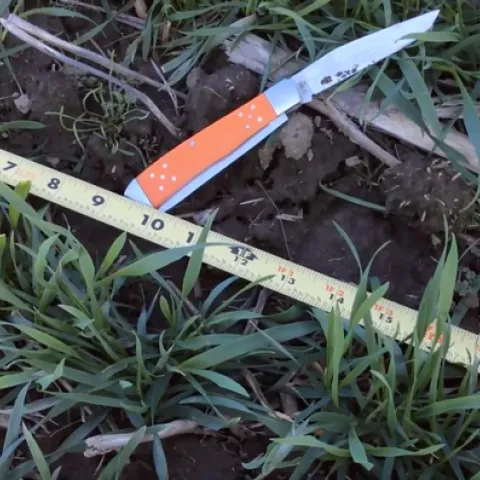
Mexican sprangletop that has already set seed (about 20 days after rice seeding)
UC Rice Blog: Article

Some Weeds Ahead Of Rice This Year

June 22, 2017
By Whitney B Brim-Deforest
I went out on a few farm calls in the past week, and have noticed a trend. Due to the unusually wet weather this spring, some of the weeds are already producing seed out in the field! This occurs when the field was moist or wet in the spring, and was not tilled or sprayed prior to planting.
View Article