A Natural Solution for California's Herds: African Catfish Peptides

California's cattle producers and agricultural communities are all too familiar with the rising challenge of antibiotic resistance, making common bacterial infections harder to treat in livestock. But imagine a future where we could tackle these infections with a natural, powerful alternative. Our research points to just that: antimicrobial peptides (AMPs) found in African catfish.

We're really excited about these peptides because African catfish thrive in pathogen-rich freshwater, naturally producing these robust immune compounds in their skin mucus as a defense. This natural origin makes them highly appealing alternatives to synthetic drugs.

Predicted Safety and Potent Action

One of the most compelling aspects of these AMPs is their predicted safety for mammals. Our initial computer analyses suggest that various catfish AMPs are generally recognized as safe (GRAS). We predict they'll be absorbed in the human intestine without causing liver, brain, or heart toxicity. Furthermore, lab tests on a promising peptide, NACAP-II, confirmed it was non-hemolytic, meaning it didn't damage rabbit red blood cells—a strong indicator of its potential safety for mammalian cells.

Beyond safety, these peptides demonstrate effectiveness against problematic bacteria. One study revealed NACAP-II's strong activity against Extended-Spectrum Beta-Lactamase (ESBL)-producing Escherichia coli—a critical concern for both animal and human health due to its resistance to many common antibiotics. Another peptide, ACAP-IV, also showed antibacterial activity against E. coli and Staphylococcus aureus. We believe these AMPs work by directly disrupting bacterial cell membranes, a mechanism that makes it harder for bacteria to develop resistance compared to how they resist traditional antibiotics.
Event Primary Image
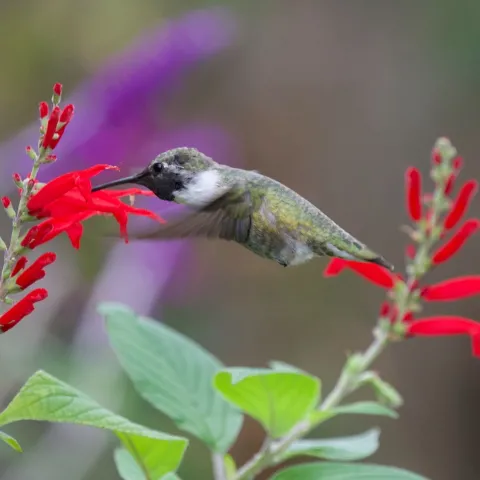
hummingbird at flower
UC Marin Master Gardeners: Event

Backyard Birds and Bird Habitat

Event Date
Aug 5, 2025

Program: Over 500 species of birds have been seen in Marin County, and you can see some of them just by looking out your backyard windows. It’s easy, interesting and a lot of fun doing backyard birding, and Marin Master Gardener Bob Mauceli will help you learn more about some of the most frequently seen of…
UC Marin Master Gardeners
View Event
Page

Educational Resources

Land AcknowledgmentsBuilding MOU’s with Tribal membersUCCE Middletown Office (could be center)101 Course [Course]Tribal History with the UC SystemHow to build authentic relationshipsHow Tribal governments in California work todayNatural Resources and Tribal Communities
View Page
UC Master Gardener Program of Alameda County: Event

Garden Talk: Pruning California Natives (Oakland)

Event Date
Aug 30, 2025

Learn when to prune your native plants to encourage pollinators to visit your garden! This event is outdoors and is subject to weather and UC Master Gardener's discretion. Please dress appropriately! This event is free.
UC Master Gardener Program of Alameda County
View Event
Event Primary Image
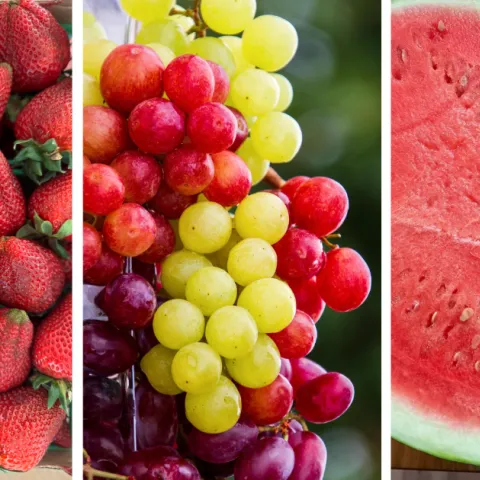
Triptych Image Summerfruit
UC Master Food Preserver: Event

Online - Fun with Summertime Fruits

Event Date
Aug 10, 2025

Join us on a lazy Sunday afternoon for a family friendly program exploring different ways to extend sun-kissed summertime fruits: grapes, strawberries, and watermelon, by freezing, dehydrating, and canning. 
UC Master Food Preserver
View Event
Nutrition Policy Institute News: Article

Study identifies what’s keeping students from eating free school meals

July 23, 2025
By Danielle Lee, Monica D Zuercher, Dania Orta-Aleman, Wendi Gosliner
In a new study published in the Journal of School Health, researchers sought to understand food service directors’ perceptions of why some students were not participating in school meals even when they were served free of charge to all public school students in the U.S. during the COVID-19…
View Article