A Natural Solution for California's Herds: African Catfish Peptides

California's cattle producers and agricultural communities are all too familiar with the rising challenge of antibiotic resistance, making common bacterial infections harder to treat in livestock. But imagine a future where we could tackle these infections with a natural, powerful alternative. Our research points to just that: antimicrobial peptides (AMPs) found in African catfish.

We're really excited about these peptides because African catfish thrive in pathogen-rich freshwater, naturally producing these robust immune compounds in their skin mucus as a defense. This natural origin makes them highly appealing alternatives to synthetic drugs.

Predicted Safety and Potent Action

One of the most compelling aspects of these AMPs is their predicted safety for mammals. Our initial computer analyses suggest that various catfish AMPs are generally recognized as safe (GRAS). We predict they'll be absorbed in the human intestine without causing liver, brain, or heart toxicity. Furthermore, lab tests on a promising peptide, NACAP-II, confirmed it was non-hemolytic, meaning it didn't damage rabbit red blood cells—a strong indicator of its potential safety for mammalian cells.

Beyond safety, these peptides demonstrate effectiveness against problematic bacteria. One study revealed NACAP-II's strong activity against Extended-Spectrum Beta-Lactamase (ESBL)-producing Escherichia coli—a critical concern for both animal and human health due to its resistance to many common antibiotics. Another peptide, ACAP-IV, also showed antibacterial activity against E. coli and Staphylococcus aureus. We believe these AMPs work by directly disrupting bacterial cell membranes, a mechanism that makes it harder for bacteria to develop resistance compared to how they resist traditional antibiotics.
Primary Image
Q1
UC Rice Blog: Article

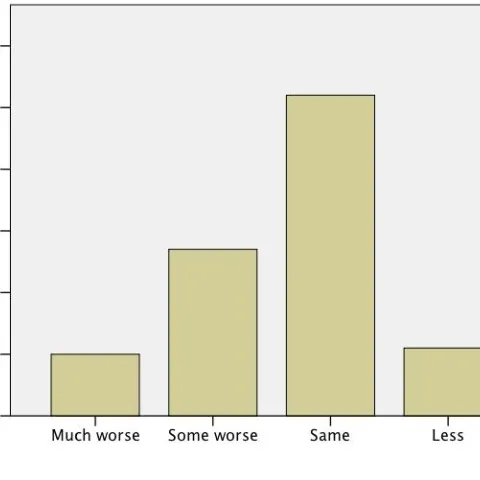
Tadpole shrimp clicker survey results

February 22, 2017
By Luis Espino
During our Jan 2017 winter meetings, I conducted a short clicker survey about how bad tadpole shrimp (TPS) has become in the past few years. There were a couple of technical difficulties, and attendees to the Richvale meeting didn't get to see the answer to the questions.
View Article
Bug Squad: Article

A Story No One Is Letting Robert Washino Forget

February 22, 2017
By Kathy Keatley Garvey
It's a story that no one is letting him forget. Noted medical entomologist Robert "Bob" Washino, emeritus professor of entomology and a veteran academic administrator at UC Davis, was hanging out in his back yard in Davis last spring when an aedine mosquito bit him.
View Article
UC Small Grains Blog: Article

California Small Grains Survey - Please Participate!

February 22, 2017
By Mark E Lundy
We need your help to better understand the current status of small grain production in California and how to focus our research and extension efforts moving forward. If you are involved in the California grain industry, we would appreciate your participation in the survey at this link: https://www.
View Article
Bug Squad: Article

Highly Successful Biodiversity Museum Day

February 21, 2017
By Kathy Keatley Garvey
They saw bugs. They saw bones. They saw honey bees. They saw hawks. Those were just a few of the offering at the sixth annual UC Davis Biodiversity Museum Day, held Saturday, Feb. 18. More than 3000 visitors checked out the offerings. The free family-friendly, science-based event, held from 9 a.m.
View Article
Primary Image
elderberries-2
Topics in Subtropics: Article

Elderberry as a New Crop

February 21, 2017
By Ben A Faber
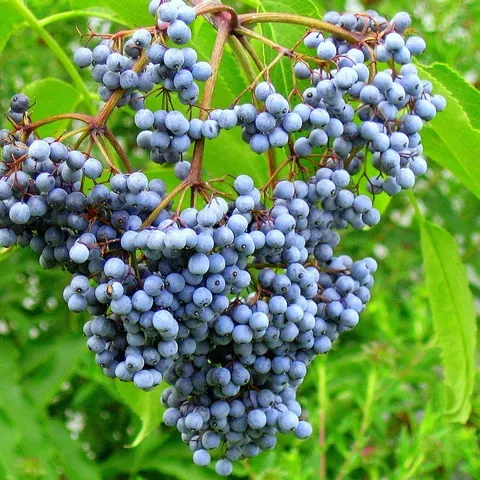
An increasingly sought after health product are the fruit and flowers of elderberry Sambucus mexicana. It is a nutraceutical which has more antioxidants than other dark fruit like blackberry and pomegranate. It's a California native, but it is estimated there may 30 species worldwide.
View Article
Primary Image
UCCE Weed Advisor Pratap Devkota practices flying a drone
IGIS: Article

Drone Technology Workshop at Desert Research Extension Center Crosses Borders

February 21, 2017
By Andy Lyons, Sean D Hogan
Earlier this month, IGIS held another two-day workshop on using drones for agriculture and land management. As with previous workshops, the material included drone technology, safety and regulations, principles of remote sensing, mission planning, flight operations, and data analysis.
View Article
Bug Squad: Article

KUIC Meets the Entomologists and Coco McFluffin

February 17, 2017
By Kathy Keatley Garvey
It was a buggy, sweet kind of day when KUIC Radio 95.3 hosted a coffee break for the Bohart Museum of Entomology and its parent organization, the UC Davis Department of Entomology and Nematology.
View Article

Herbicide resistant weeds in California

February 17, 2017
By Steven A Fennimore
Dear Weed Managers Wednesday Feb. 15 of this week the Weed Science Society of America (WSSA) hosted a 4 hour listening session at the Tulare UCCE office conference room. In attendance were growers, consultants, ag industry personnel and university extension personnel.
View Article
Primary Image
Ca drought
Topics in Subtropics: Article

California Ag Statistics for Review

February 17, 2017
By Ben A Faber
The California Department of Food and Agriculture (CDFA) has released the 2015-2016 California Agricultural Statistics Review. The Review provides an overview of the state's agricultural statistics and weather highlights, as well as county-specific and crop-specific data.
View Article