A Natural Solution for California's Herds: African Catfish Peptides

California's cattle producers and agricultural communities are all too familiar with the rising challenge of antibiotic resistance, making common bacterial infections harder to treat in livestock. But imagine a future where we could tackle these infections with a natural, powerful alternative. Our research points to just that: antimicrobial peptides (AMPs) found in African catfish.

We're really excited about these peptides because African catfish thrive in pathogen-rich freshwater, naturally producing these robust immune compounds in their skin mucus as a defense. This natural origin makes them highly appealing alternatives to synthetic drugs.

Predicted Safety and Potent Action

One of the most compelling aspects of these AMPs is their predicted safety for mammals. Our initial computer analyses suggest that various catfish AMPs are generally recognized as safe (GRAS). We predict they'll be absorbed in the human intestine without causing liver, brain, or heart toxicity. Furthermore, lab tests on a promising peptide, NACAP-II, confirmed it was non-hemolytic, meaning it didn't damage rabbit red blood cells—a strong indicator of its potential safety for mammalian cells.

Beyond safety, these peptides demonstrate effectiveness against problematic bacteria. One study revealed NACAP-II's strong activity against Extended-Spectrum Beta-Lactamase (ESBL)-producing Escherichia coli—a critical concern for both animal and human health due to its resistance to many common antibiotics. Another peptide, ACAP-IV, also showed antibacterial activity against E. coli and Staphylococcus aureus. We believe these AMPs work by directly disrupting bacterial cell membranes, a mechanism that makes it harder for bacteria to develop resistance compared to how they resist traditional antibiotics.
Primary Image
cherimoya fruit
Topics in Subtropics: Article

Cherimoya Annual Meeting

February 26, 2016
By Ben A Faber
ATTENTION: All Cherimoya Producers (and friends), "Deliciousness itself", Mark Twain The California Cherimoya Association is sponsoring a knowledge sharing meeting. Time: Saturday, March 12, 2016, 12:00 to 2 p.m. Place: California Tropics Packinghouse 6950 Casitas Pass Rd.
View Article

Why the Water Bear Is So Unusual

February 25, 2016
By Kathy Keatley Garvey
Imagine you're a tardigrade, aka water bear or moss piglet. You're microscopic but you're nearly indestructible. You can survive being heated to 304 degrees Fahrenheit or being chilled for days at -328 F. And if you're frozen for 30 years, you can still reproduce.
View Article
UC Weed Science (weed control, management, ecology, and minutia): Article

WSSA educational materials about weeds and their impact

February 25, 2016
By Brad Hanson
The Weed Science Society of America (WSSA) announced earlier this month several new or updated educational publications about weeds and weed impacts that will be of interest to both the scientific community as well as the general public.
View Article
Livestock & Range: Article

Ranching Economics at Central Coast Rangeland Coalition Spring Meeting

February 25, 2016
By Devii R Rao
Come to the Central Coast Rangeland Coalition Spring Meeting on April 21 in Sunol (Bay Area, south of Pleasanton). Sign up soon! Registration will be limited to 75 people and will fill up quickly. The last day to register will be March 29. The $10 fee covers lunch.
View Article

Dengue: Yes, You Can Get It Again

February 24, 2016
By Kathy Keatley Garvey
Medical entomologists are learning more and more about Aedes aegypti, the daytime-biting mosquito that prefers human blood. The mosquito transmits the Zika virus, currently "the" hot medical topic. But it also transmits dengue, yellow fever and chikungunya viruses. Especially dengue.
View Article
Primary Image
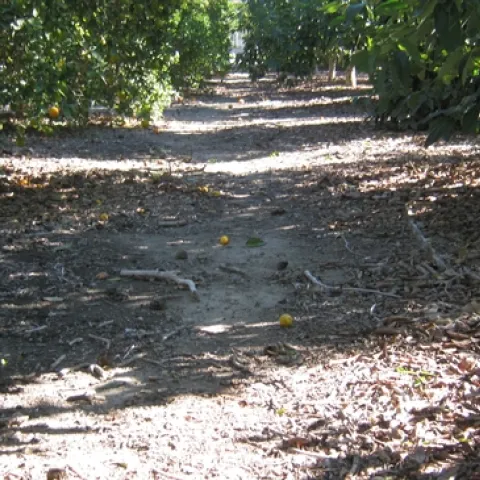
fruit drop drought
Topics in Subtropics: Article

Fruit Load Effect on Tree Water Use

February 24, 2016
By Ben A Faber
As fruit gets heavier and heavier on a tree, does the tree use more water? Or is it sensitive to more water stress? It's not clear if there is a difference. We've all seen a lemon tree sigh in relief after the crops been pulled off.
View Article

Hear the Buzz!

February 23, 2016
By Kathy Keatley Garvey
If you're anywhere near an almond orchard, you've probably heard the steady buzz. That's the soothing sound of honey bees gathering food for their colony--and in the process, pollinating almonds. The buzz is to bees what a purr is to a cat.
View Article