A Natural Solution for California's Herds: African Catfish Peptides

California's cattle producers and agricultural communities are all too familiar with the rising challenge of antibiotic resistance, making common bacterial infections harder to treat in livestock. But imagine a future where we could tackle these infections with a natural, powerful alternative. Our research points to just that: antimicrobial peptides (AMPs) found in African catfish.

We're really excited about these peptides because African catfish thrive in pathogen-rich freshwater, naturally producing these robust immune compounds in their skin mucus as a defense. This natural origin makes them highly appealing alternatives to synthetic drugs.

Predicted Safety and Potent Action

One of the most compelling aspects of these AMPs is their predicted safety for mammals. Our initial computer analyses suggest that various catfish AMPs are generally recognized as safe (GRAS). We predict they'll be absorbed in the human intestine without causing liver, brain, or heart toxicity. Furthermore, lab tests on a promising peptide, NACAP-II, confirmed it was non-hemolytic, meaning it didn't damage rabbit red blood cells—a strong indicator of its potential safety for mammalian cells.

Beyond safety, these peptides demonstrate effectiveness against problematic bacteria. One study revealed NACAP-II's strong activity against Extended-Spectrum Beta-Lactamase (ESBL)-producing Escherichia coli—a critical concern for both animal and human health due to its resistance to many common antibiotics. Another peptide, ACAP-IV, also showed antibacterial activity against E. coli and Staphylococcus aureus. We believe these AMPs work by directly disrupting bacterial cell membranes, a mechanism that makes it harder for bacteria to develop resistance compared to how they resist traditional antibiotics.
UC Master Gardeners of San Mateo & San Francisco Counties: Event

Learn the Benefits of Summer Pruning of Fruit Trees and Shrubs

Event Date
Aug 3, 2025

In this class, learn how to control the size of your fruit trees by summer pruning. Get better fruit production, less disease and insect problems and make harvesting easier. Additional benefits of summer pruning are improved light exposure, sturdier branch development and control of undesirable growth.UC…
UC Master Gardeners of San Mateo & San Francisco Counties
View Event
Nutrition Policy Institute News: Article

Qualitative study shows reusable serviceware in school cafeterias were widely accepted across the school community

July 14, 2025
By Danielle Lee, KC Fiedler, Celeste Felix
A new qualitative study in the Journal of Child Nutrition & Management found that reusable serviceware—like trays, cutlery, and bulk condiment dispensers—were widely accepted in a California school district pilot program. Students successfully advocated for reducing single-use items, prompting…
View Article
Primary Image
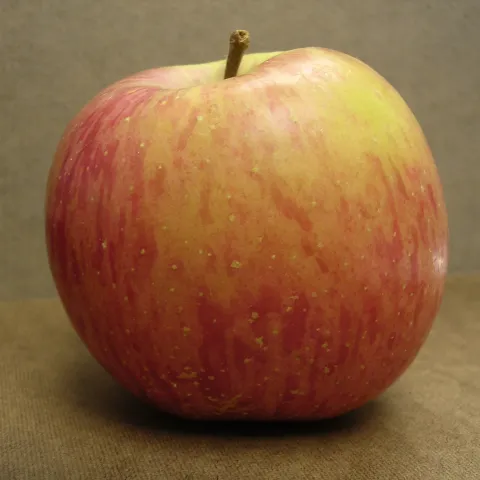
Apple fruit
UC Master Gardeners of Inyo and Mono Counties: Article

Exhibiting Vegetables and Fruit at the Tri-County Fair

July 14, 2025
By Dustin W Blakey
This guide will help you to enter the Agriculture Department at the Tri-County Fair. It focuses on vegetables, however the principles work for the entire department.The content below should match the fair book or be a good recommendation for the 2025 Fair. Remember: fair rules and classes can change every…
View Article
UC Cooperative Extension - Fresno County: Page

Contact Us

 County DirectorKarmjot Randhawa | kgrandhawa@ucanr.edu | serving Fresno, Madera, Merced and Mariposa Counties Our Team Office StaffNameTitleEmailPhoneElizabeth Ramirez   Administrative Assistant II                         …
View Page
Fresno County 4-H: Page

Contact Us

County DirectorKarmjot Randhawa | kgrandhawa@ucanr.edu | serving Fresno, Madera, Merced and Mariposa Counties Meet the team Office StaffNameTitleEmailPhoneElizabeth Ramirez    Administrative Assistant II                       …
View Page
UC Organic Agriculture Institute: Event

Camera-Guidance, Weeding Robots, and Drones, Tech in Organic Row Crops - a Zoom event

Event Date
Jul 22, 2025

Camera-Guidance, Weeding Robots, and Drones - Tech in Organic Row CropsTechnology is fundamentally changing how organic crops are grown, and the pace of new tools available to farmers is only increasing. New technologies can be a game-changer, but what are they really capable of, and as they constantly…
UC Organic Agriculture Institute
View Event
UC Organic Agriculture Institute: Event

Organic Record Keeping, with a Farmer and Inspector - a Zoom event

Event Date
Aug 5, 2025

Organic Record Keeping, with a Farmer and InspectorThe paperwork for organic certification can be daunting for farmers. But that paper trail is also the backbone of the organic certification’s integrity. Farmers need their own clear record keeping system that will work for their certifier. In addition to…
UC Organic Agriculture Institute
View Event
Primary Image
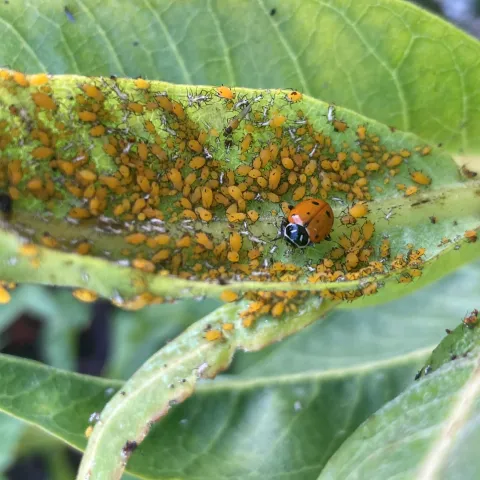
Convergent Lady Beetle
UC Marin Master Gardeners: Article

It’s a bug eat bug world

July 14, 2025
 Bugs are the creepy-crawly critters you find in your garden. Scientists divide them into groups. The largest group is insects, such as butterflies, bees, and beetles, which have three pairs of jointed legs and two pairs of wings. Other groups include spiders (arachnids), sowbugs (crustaceans), snails …
View Article
Primary Image
Blast leaf
UC Rice Blog: Article

Blast and leaf wetness

July 14, 2025
By Luis Espino
As the crop starts advancing towards heading, one concern is blast. So far I have not seen any leaf blast. Blast spores need free moisture on the leaves to germinate and infect. Leaf wetness is a good measure of free moisture. Typically, leaf wetness increases during the evening and stays high until early…
View Article
Event Primary Image
pixabay
UC Master Gardeners of Ventura County: Event

Native Plant Palooza and Eco Fest/TO

Event Date
Oct 11, 2025

Come visit the Master Gardener booth at Conejo Creek Park!
UC Master Gardeners of Ventura County
View Event