A Natural Solution for California's Herds: African Catfish Peptides

California's cattle producers and agricultural communities are all too familiar with the rising challenge of antibiotic resistance, making common bacterial infections harder to treat in livestock. But imagine a future where we could tackle these infections with a natural, powerful alternative. Our research points to just that: antimicrobial peptides (AMPs) found in African catfish.

We're really excited about these peptides because African catfish thrive in pathogen-rich freshwater, naturally producing these robust immune compounds in their skin mucus as a defense. This natural origin makes them highly appealing alternatives to synthetic drugs.

Predicted Safety and Potent Action

One of the most compelling aspects of these AMPs is their predicted safety for mammals. Our initial computer analyses suggest that various catfish AMPs are generally recognized as safe (GRAS). We predict they'll be absorbed in the human intestine without causing liver, brain, or heart toxicity. Furthermore, lab tests on a promising peptide, NACAP-II, confirmed it was non-hemolytic, meaning it didn't damage rabbit red blood cells—a strong indicator of its potential safety for mammalian cells.

Beyond safety, these peptides demonstrate effectiveness against problematic bacteria. One study revealed NACAP-II's strong activity against Extended-Spectrum Beta-Lactamase (ESBL)-producing Escherichia coli—a critical concern for both animal and human health due to its resistance to many common antibiotics. Another peptide, ACAP-IV, also showed antibacterial activity against E. coli and Staphylococcus aureus. We believe these AMPs work by directly disrupting bacterial cell membranes, a mechanism that makes it harder for bacteria to develop resistance compared to how they resist traditional antibiotics.
Primary Image
Banner for Earth Friendly Gardening workshops
UC Master Gardeners of Monterey, Santa Cruz & San Benito Counties: Article

Earth Friendly Gardening Workshops

July 9, 2025
By Denise Pinard
 Our 4 class series on Earth Friendly Gardening take place August 16, September 20, October 25 and November 15. Earth Friendly Gardening provides guidelines recommended by UC Master Gardeners for creating sustainable landscapes that benefit the broader environment and make things easier for the…
View Article
Primary Image
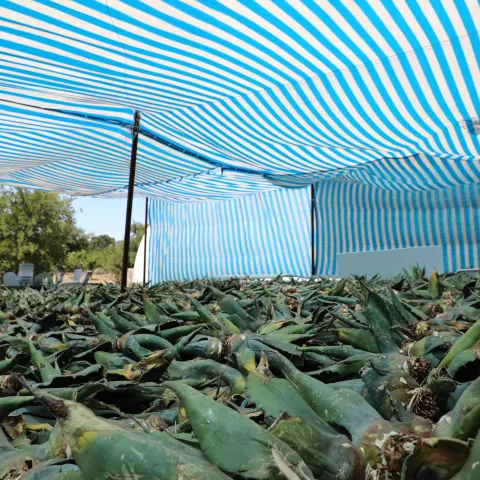
Many agaves plants on tables.
Green Blog: Article

UC ANR shares prospects for sustainably farming the ‘agave rush’

July 9, 2025
By Caroline D Champlin
The popularity of farming agave is taking off in California, with climate change motivating growers to consider planting drought-tolerant crops. With all that buzz, UC Organic Agriculture Institute hosted a field day for current and prospective agave growers to learn more about farming the plant with…
View Article
Primary Image
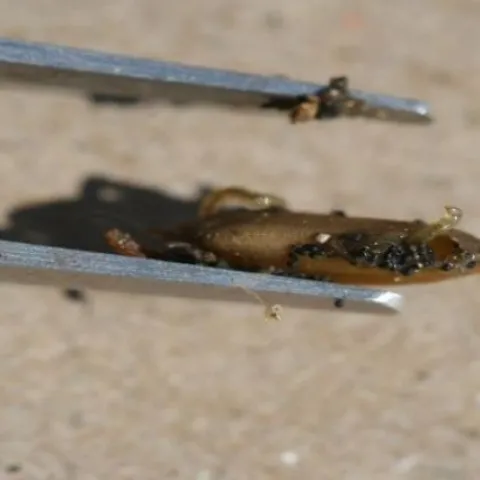
midge popping out of a consumed rice kernel
UC Rice Blog: Article

The Usual Suspects

July 9, 2025
By Consuelo B Baez Vega
Time to round up the usual suspects! When talking about arthropod control in California, the usual suspects are rice seed midge, tadpole shrimp, and armyworms. I will focus on rice seed midge and tadpole shrimp in light of recent pyrethroid exceedances detected in the Sacramento Valley. The challenge…
View Article
Primary Image
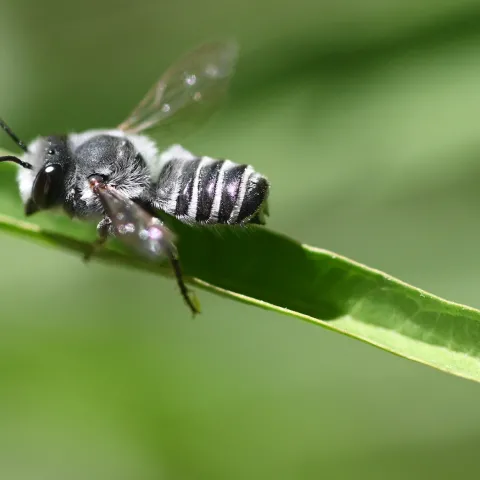
Leafcutter bee on stem. (Photo by Kathy Keatley Garvey)
Bug Squad: Article

Buzzwatch 2025 Underway

July 8, 2025
By Kathy Keatley Garvey
 What's buzzing? What's fluttering? What's crawling?Planet Bee Foundation is encouraging all folks interested in native bees and native pollinators to join its Buzzwatch 2025, which it launched June 1 during National Pollinator Month and will continue through Aug. 31."Use iNaturalist to document native…
View Article
Event Primary Image
[PODCAST] Plumeria
UC Master Gardeners of Orange County: Event

[PODCAST] Plumeria

Event Date
Jul 8, 2025

Plumerias! Maybe the most coveted of the tropical flowers grown and blooming now in Southern California! While more likely identified as Hawaiian being a favorite flower for leis, they are actually endemic to Mexico and Central America. But any tropical environment in the world is ideal for the growing…
UC Master Gardeners of Orange County
View Event
Article

[PODCAST] Plumeria

July 8, 2025
By Loren Nelson
Plumerias! Maybe the most coveted of the tropical flowers grown and blooming now in Southern California! While more likely identified as Hawaiian being a favorite flower for leis, they are actually endemic to Mexico and Central America. But any tropical environment in the world is ideal for the growing…
View Article
Event Primary Image
This Month In The Garden – July 2025
UC Master Gardeners of Orange County: Event

This Month In The Garden – July 2025

Event Date
Jun 30, 2025

July! Getting hotter right? This week on In the Garden with UCCE Master Gardeners radio show, Teena and Katrina bring you another new monthly tips and tricks program with things to plan for this month of July.  Each month, we talk about the changing water requirements in your garden. More so this…
UC Master Gardeners of Orange County
View Event
Primary Image
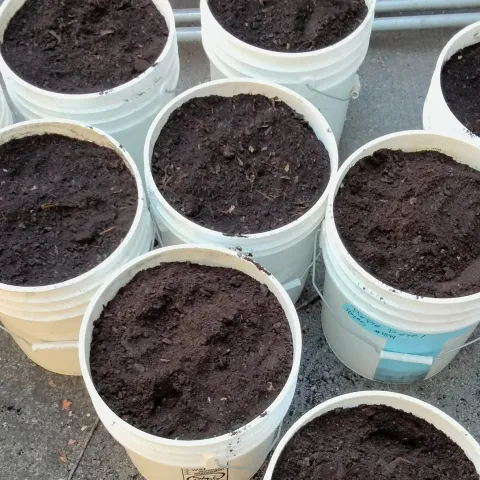
buckets with dehydrated food waste powder
Organic Materials Management: Article

Evaluating a role for dehydrated food scraps as soil amendments in achieving organic waste diversion goals

July 8, 2025
By Michael Cohen
California Senate Bill 1383 (SB 1383) mandates a 75% reduction in organic waste disposal (compared to 2014 levels) to reduce methane emissions from landfills. This ambitious law requires residents, businesses, and local governments to divert organic waste—including food scraps, yard trimmings, and soiled…
View Article