A Natural Solution for California's Herds: African Catfish Peptides

California's cattle producers and agricultural communities are all too familiar with the rising challenge of antibiotic resistance, making common bacterial infections harder to treat in livestock. But imagine a future where we could tackle these infections with a natural, powerful alternative. Our research points to just that: antimicrobial peptides (AMPs) found in African catfish.

We're really excited about these peptides because African catfish thrive in pathogen-rich freshwater, naturally producing these robust immune compounds in their skin mucus as a defense. This natural origin makes them highly appealing alternatives to synthetic drugs.

Predicted Safety and Potent Action

One of the most compelling aspects of these AMPs is their predicted safety for mammals. Our initial computer analyses suggest that various catfish AMPs are generally recognized as safe (GRAS). We predict they'll be absorbed in the human intestine without causing liver, brain, or heart toxicity. Furthermore, lab tests on a promising peptide, NACAP-II, confirmed it was non-hemolytic, meaning it didn't damage rabbit red blood cells—a strong indicator of its potential safety for mammalian cells.

Beyond safety, these peptides demonstrate effectiveness against problematic bacteria. One study revealed NACAP-II's strong activity against Extended-Spectrum Beta-Lactamase (ESBL)-producing Escherichia coli—a critical concern for both animal and human health due to its resistance to many common antibiotics. Another peptide, ACAP-IV, also showed antibacterial activity against E. coli and Staphylococcus aureus. We believe these AMPs work by directly disrupting bacterial cell membranes, a mechanism that makes it harder for bacteria to develop resistance compared to how they resist traditional antibiotics.
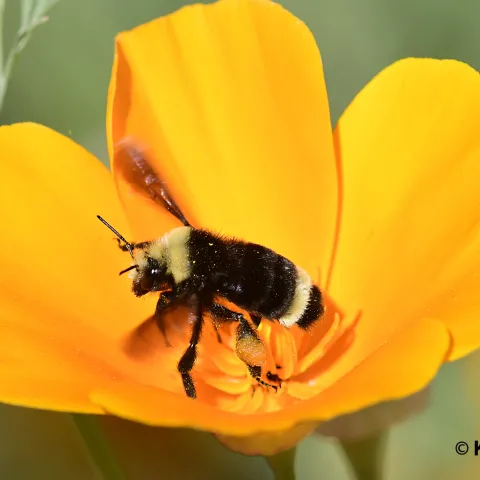
Primary Image
Bumble bee, Bombus vosnesenskii on California golden poppy. (Photo by Kathy Keatley Garvey)
Bug Squad: Article

Matchmaker, Matchmaker, Make Me a Match

May 21, 2025
By Kathy Keatley Garvey
 "Matchmaker, Matchmaker,Make me a match,Find me a find,catch me a catch."--Fiddler on the RoofIt was great to see pollinators being matched with plants at the mini-festival hosted by The Hive, Woodland, on May 3 on what was supposed to be the date of the 2025 California Honey Festival. Worried about…
View Article
Forestry Research and Outreach: Event

Forest Stewardship Workshop: Yuba/Nevada

Event Date
Jul 1, 2025 - Aug 26, 2025

Forest landowners in Yuba and Nevada counties are invited to the next Forest Stewardship workshop! Get equipped with the knowledge to better understand and protect your forestland. By participating, you will develop a forest management plan, connect with forestry professionals at UC ANR, and become…
Forestry Research and Outreach
View Event
Primary Image
4-H youth on horseback
UCCE Humboldt - Del Norte Counties: Article

Sponsors Needed for the California 4-H Horse Classic

May 21, 2025
By Jennifer Steenblock
Become a sponsor to support the California 4-H State Horse Classic! This event includes the state horse educational contests (a qualifier for the Western National Roundup in Denver, CO) and a horse show competition. This is a highlight of the 4-H program year for youth in the horse program and for counties…
View Article
Forestry Research and Outreach: Document

2021 Newsletters

Editions on assessing post-fire tree mortality, targeted grazing for managing fuels, home hardening, and more.
View Document
Forestry Research and Outreach: Document

2022 Newsletters

Editions on woody biomass, estate planning for forest landowners, using herbicide to manage invasive plants, and more.
View Document
Forestry Research and Outreach: Document

2023 Newsletters

Editions on shaded fuel breaks, CALFIRE's Forest Legacy Program, forest roads, and more.
View Document
Primary Image
final water treatment
SoCal Urban Food Production Blog: Article

Tertiary Treated Water: A Key to Sustainable Urban Farming

May 21, 2025
By Grant E Johnson, Amrita Mukherjee, Esther N Lofton
Tertiary treated water is a safe and sustainable option for irrigating crops in urban agriculture. It helps reduce reliance on freshwater while supporting healthy soil and crop growth. This post explains the treatment process, benefits, and best practices for using reclaimed water in farming.
View Article
Forestry Research and Outreach: Document

2024 Newsletters

Editions on riparian forest management, white and black oak management, bears, and more.
View Document