Adapt your garden to a changing climate
Climate change refers to long-term alterations in our average weather patterns, causing droughts to last longer, stronger storms to increase flooding, and fires that burn hotter with smoke reducing the air quality. Sea levels will rise, and coastal areas will experience erosion. Human activities have increased greenhouse gas levels in Earth’s atmosphere primarily by fossil fuel burning. Greenhouse gases trap heat, causing Earth’s surface to warm and change our weather.
There’s adaptation and there’s mitigation of climate change, and the right plants can contribute to both. Plants help mitigate the effects of climate change in air and water by removing pollutants and sequestering carbon keeping it out of the atmosphere. Happily, gardeners can contribute to climate change solutions by adopting some new practices with water, soil, and plant management.
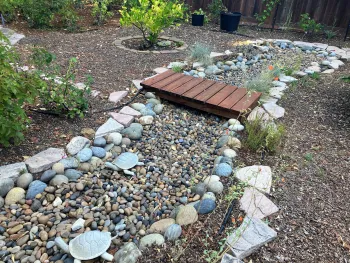
With warmer temperatures, all plants will need more water and conservation is one way to adapt to climate change. Drip irrigation with timers will give plants the water they need without waste. Mulch helps retain moisture, and water barrels to catch roof rain supply additional water.
Some actions we can take start with the soil. Healthy soil holds carbon, retains water, and protects roots from extreme weather. Carbon is good for our soil but not good for the atmosphere. Large plants like trees store carbon from the air into the ground. Adding compost or growing cover crops builds fertile soil, retains moisture, and buries carbon. To help with erosion during the rainy season, cover the ground with low-growing plants. Swales, berms, creek beds, and rain gardens help with erosion and drain water away from the home.
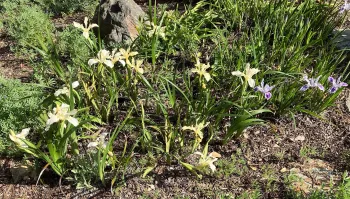
Choose native, climate-appropriate plants to survive the dry season with little water while having the capability to handle the wet winters. Invite our beneficial creatures by growing plants for our pollinators, the bees, butterflies, and birds. California Lilac, Lupines, Ribes, and California Fuchsia provide nectar and pollen as does Coyote Brush, a good choice for coastal areas.
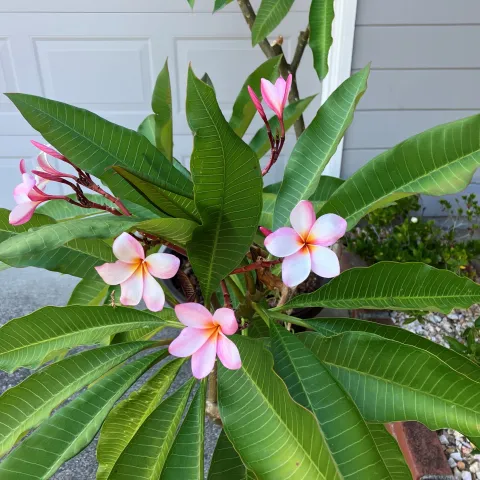
Planting dates for a food garden may need adjusting as the climate warms and climate zones shift. Select varieties that ripen quickly and are drought and heat-tolerant. Rotate food crops to prevent soil depletion and plant herbs interspersed with flowering plants to attract pollinators and beneficial insects. Plant perennial edibles like artichokes, asparagus, rhubarb, tree collards, and berries. Fruit and nut trees, once established, require less water because of their deep root systems, but they may not have enough frost days. Growing tropical plants may be possible in sunny, warmer areas of Marin.
Remove invasive plants and, to be fire-safe, remove the three most hazardous plants in Marin: Junipers with oily needles and tight structure, Italian Cypress known as a “Roman Candle” and Bamboo for the dead leaves at its base.
To minimize the risk of embers starting a fire, clear the first five feet from the house of all plant material. From 5 to 30 feet have low-growing plants that are well-irrigated and grouped into islands separated by non-combustible material such as rocks, pavers, or gravel.
Keystone plants are excellent choices if you have the space beyond the 5 to 30 ft. zone. Oaks and Willows are important sources of habitat and food for local wildlife. Toyon supplies red berries in the winter for birds.
All plants can burn, but the right plant in the right place with the right maintenance is good gardening. Space plants far apart and remove dead or dried biomass. Trim branches closest to the ground. Prune plants to have both vertical and horizontal spacing. Increasing the space can limit or stop a fire. Prune trees to prevent hanging over the house or touching other vegetation. Clear combustible materials under decks.
As climate change alters the environment, watch for new pests and invasive plants as you adapt to and mitigate the damage. You are part of the solution to climate change problems.
By Sara O’Keefe, December 13, 2025