Ongoing research

Primary Image
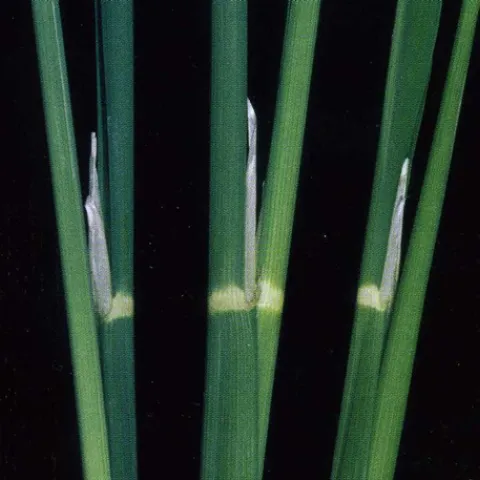
Figure 1. The low temperature sensitive stage of pollen development occurs when the collar of the flag leaf and the collar of the previous leaf align (center plant in photo).
UC Rice Blog: Article

Water Management to Mitigate Blanking

July 21, 2014
By Michelle M Leinfelder-Miles
With the approach of late summer and the possibility for lower nighttime temperatures, this is the time when blanking can occur. Keep in mind how water management helps to mitigate this problem.
View Article
Primary Image
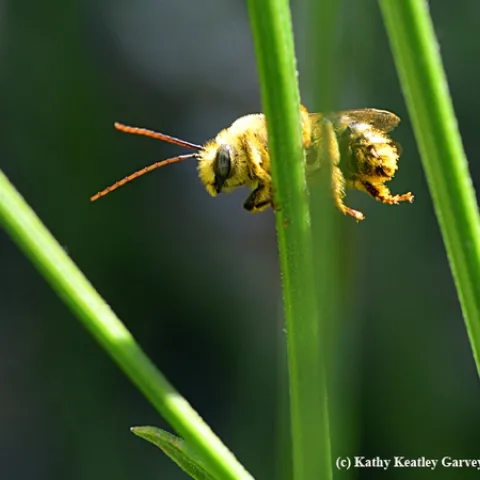
A longhorned bee, Melissodes agilis, awakens on a lavender stem. (Photo by Kathy Keatley Garvey)
Bug Squad: Article

Stems

July 18, 2014
By Kathy Keatley Garvey
Just one word--stems. Bees forage on the lavender in our bee yard, but sometimes you'll see them on the stems.
View Article
Primary Image
A newly emerged Gulf Fritillary. (Photo by Kathy Keatley Garvey)
Bug Squad: Article

Passion for a Passion Butterfly

July 17, 2014
By Kathy Keatley Garvey
"Wow! Oh, wow!" That's what people usually say when they encounter dozens of reddish-orange butterflies at a home on the 1500 block of Claremont Drive in Davis, Calif.
View Article
Colusa County: Article

Harvest Day

July 17, 2014
Harvest Day Saturday July 19, 9am-12:00 7681 Sycamore Slough Rd, Colusa Lot of peaches and nectarines to pick - bring a bag.
View Article
Primary Image
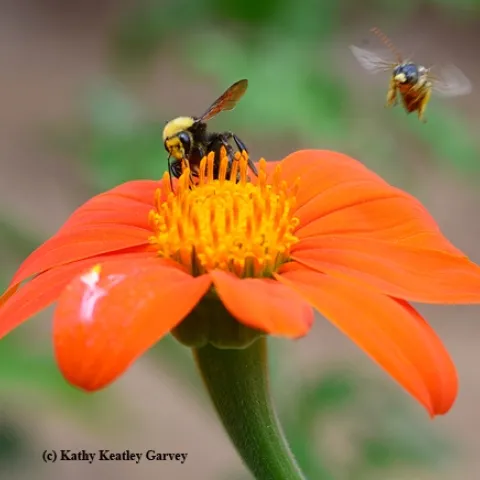
A longhorned bee, Melissodes agilis, dive-bombs a bumble bee, Bombus fervides. (Photo by Kathy Keatley Garvey)
Bug Squad: Article

Tithonia: What a Draw!

July 16, 2014
By Kathy Keatley Garvey
If you have Mexican sunflowers (genus Tithonia) in your garden, you can expect a diversity of insects--and not just honey bees. Lately we've been photographing all the insects that visit the Tithonia in our bee garden.
View Article
Primary Image
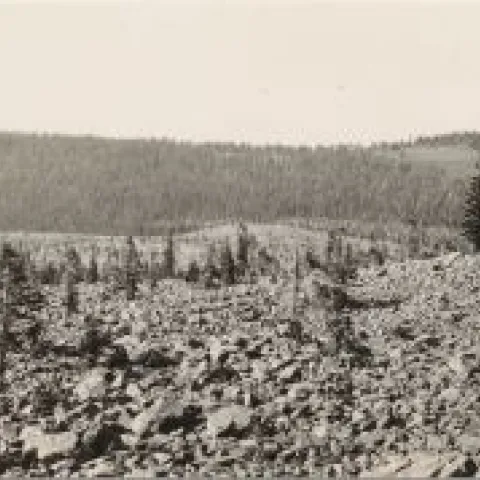
image 23494
IGIS: Article

NEW VTM Reshoot!

July 16, 2014
By Maggi Kelly
Take a look at this awesome VTM reshoot from the folks over at Geographic Resource Solutions (GRS), photographed during a recent mapping project of Lassen Volcanic National Park. Yet another great example and an incredible testament to lasting power of the VTM dataset.
View Article
Primary Image
A praying mantis won’t eat a few days before it will shed its skin (molt). This is normal. After molting it will start to eat again. When a praying mantis will not eat even though it does not need to molt, it can help to offer it a Praying mantis soaking up some sun rays. (Photo by Kathy Keatley Garvey)
Bug Squad: Article

Who Doesn't Love a Praying Mantis?

July 15, 2014
By Kathy Keatley Garvey
Who doesn't love a praying mantis? Certainly not a butterfly or a bee. We humans, though, are fascinated by them. First, there's the problem of finding them. Often they're so camouflaged that we don't see them until they rustle the leaves and snatch a moving prey.
View Article
UC Weed Science (weed control, management, ecology, and minutia): Article

Herbicide symptomology photos from weed science workshop

July 14, 2014
By Brad Hanson
Today, I thought I'd share a set of photos from a herbicide symptomology demonstration that I conducted in fall 2013 for our UC Weed Science School (next scheduled for fall 2015) and more recently in spring 2014 for a training session with other UC Cooperative Extension personnel.
View Article