American fire as of 8-25-13.Fire Status from Incident Report: The south, west and north perimeters of the fire remain in patrol status. This is due to completion of fire lines and minimal to no hot spots being detected inside the fire line in these areas.
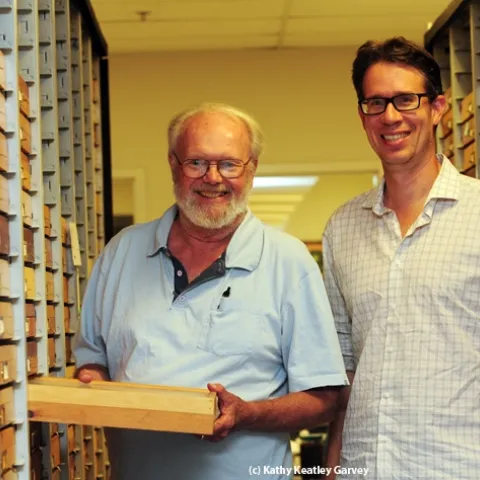
If you want to learn about bees--and learn it from the experts--The Bee Course is the place to be. It's an annual workshop held at the Southwestern Research Station (SWRS) in Portal, Ariz.
As of 8-22-13 - American fire moves into treatment area.Fire Status from Incident Report: Crews continued to mop up on the west and north sides ofthe fire to prevent any fire from potential hotspots from crossing established containment lines. This area will be patrolled by airresources today.
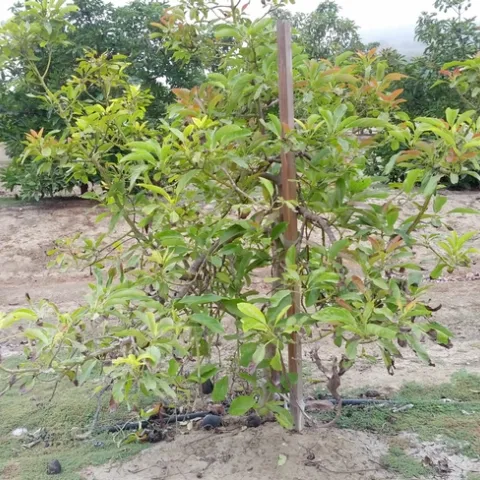
Iron chlorosis is an off duck. Soil is basically iron with some aluminum, silicon and oxygen added in for good measure, but plants can lack for iron because it is not available to be taken up.
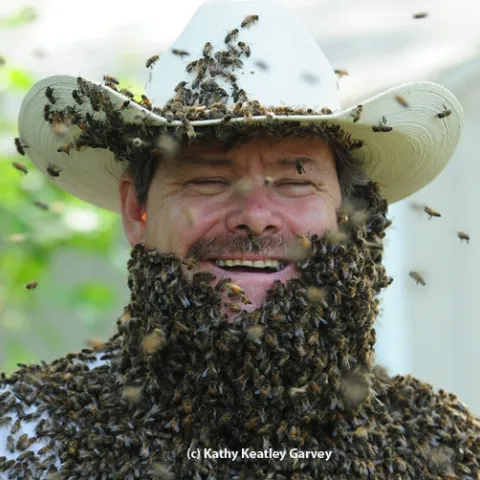
Its good to see so many childrens books being published about bees. One of the latest ones is Buzz About Bees (Fitzhenry & Whiteside) by former elementary school teacher Kari-Lynn Winters, who asked forand receivedone of my photos of beekeeper Brian Fishback of Wilton wearing a bee beard.
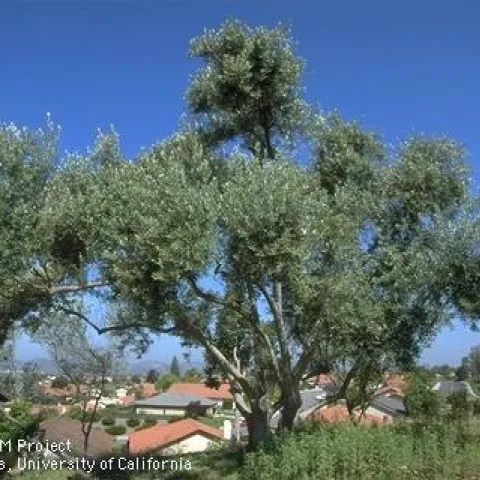
The first step in researching and developing strategies for mitigating alternate bearing (AB) in 'Manzanillo' table olive is to model the tree phenology with respect to the alternating 'ON' (high yield) and 'OFF' (low yield) cycles.
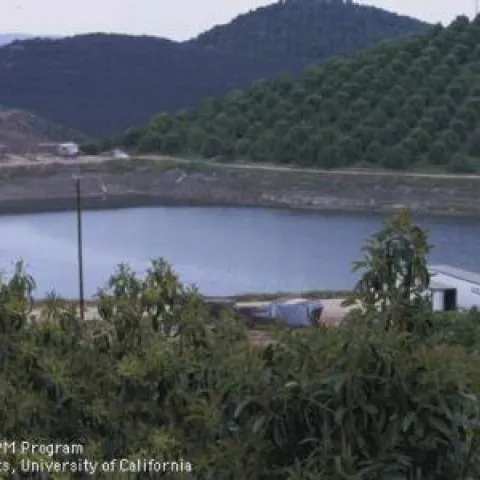
I was recently in an orchard looking at what appeared to be avocado root rot. I was checking on the symptoms and quizzing the grower on the other cultural practices. The grower was prepared with soil, leaf and water reports.
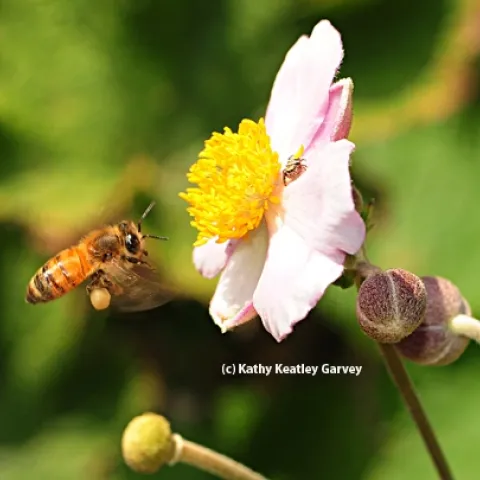
Take one honey bee and one Japanese anemone. Then add one jumping spider. The results don't always turn out so well. But today in the East Asian Collection Garden of the UC Davis Arboretum, everything turned out well--for the honey bee.
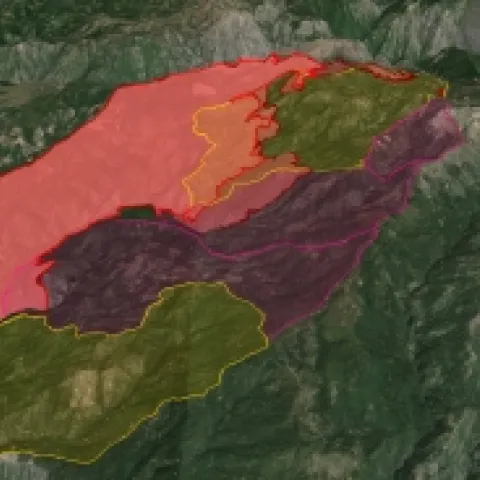
The American fire is burning into our SNAMP study areas as of yesterday. Here is a snapshot of our study site and the fire perimeter (red) as of yesterday. SNAMP control (yellow) and treatment (purple) watersheds are shown.