Cover crops have been/are being used as organic mulches in crop production systems in order to increase soil organic matter, improve soil structure, conserve water and reduce erosion.
What Emmet Brady describes as "the wonderful world of pollination" will come to life on Wednesday, Aug. 21. Brady, a cultural entomologist, hosts the Insect News Network on KDRT 97.4 FM Radio, Davis, and every year he hosts a "Bee-a-Thon" to spotlight honey bees.
Horseweed and hairy fleabane are closely related annual weeds that are widespread in Central Valley orchards and vineyards where many populations have evolved resistance to glyphosate.
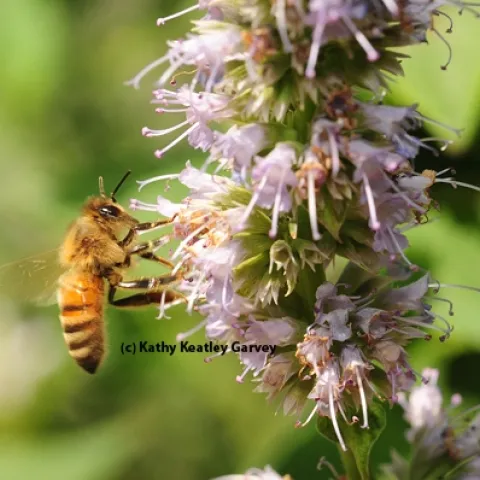
Saturday, Aug. 17 is National Honey Bee Day and it's time for a tribute, a salute and a cheer, all combined into one: Go, bees! We're glad to see concerned citizens, organizations and businesses contributing to bee research at the Harry H. Laidlaw Jr.
Amazing. I was out with the contractor who has been doing the California Avocado Commission's annual acreage report. In the past, aerial photography was used and with painstaking accuracy the acreage was visually evaluated by hand.
Shirley Polykoff (1909-1998), the advertising legend who coined the words "Is it true blondes have more fun?" for a Clairol jingle, raised awareness of blondes, insinuating that "gentlemen prefer blondes.
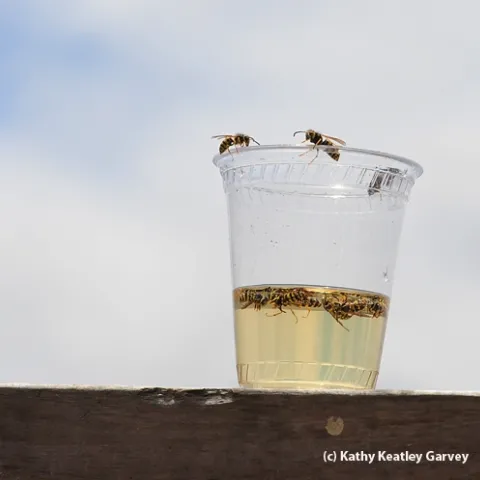
On an outing last Saturday to a Marin County restaurant, we spotted half-filled glasses lining a railing near the picnic tables. As the guests dined on seafood, yellowjackets dined on bits of protein left behind.
Sustainable agricultural systems involving precision irrigation and conservation tillage will be featured at the University of California Cooperative Extensions annual Twilight Field Day and a new farm tour, together running from 1 to 8 p.m. Sept. 12.
At this weeks Monday Afternoon Weeders (MAW) meeting, Brad Hanson shared the following article from the Sacramento Bee: Stinkwort's fast growth could threaten California's wine growers CBS picked up the story: Wine Country Growers Worried about Stinky Invasive Weed Then theres Jeannette Warnerts blo...
UC Cooperative Extension experts are advocating for aggressive control of invasive stinkwort to prevent it from becoming an established California weed, reported the Sacramento Bee.