
Rock Gardens and Succulents - What a pair!
By Susan O’Reilly
UCCE Master Gardeners of El Dorado County
This article appeared in the 5-31-2023 Mountain Democrat
It is a pretty safe guess that most all of us have plenty of native rock on our properties here in El Dorado County. So why not embrace this terrain, and create a framework from these rocks, stones, and gravel for your landscape?
The first steps to building a rock garden are to clear and weed the area. Move in your very large rocks to plant around, burying about one-third in the soil. Use a variety of sizes, from large rocks down to gravel. Add some gritty material like sand, perlite, or volcanic rock to provide adequate drainage. Creating a well-draining area is a must!
Selecting plants for your rock garden is the fun part. Make sure your plants will thrive in your gardening zone and appreciate the exposure to light, wind, and other factors that they will be receiving.
When planting, take advantage of the moisture retentive quality of rocks, and plant along the tops, bottoms, or in the crevices. Pebbles, stones, rocks, sand, and decomposed granite are all considered mulch because they control weeds and maintain soil moisture. All of these mulches are considered permanent with no need to replenish regularly because they will not blow or float away.
You can plant among your native rocks using a variety of low-growing perennials, annuals, bulbs and small shrubs. They can be planted to spill over the tops of rocks, rise up dramatically from rock bases, or planted strategically as color accents. There is a great selection of low water use plants to choose – from native varieties to heat tolerant Mediterranean plants. Let your creativity flow!
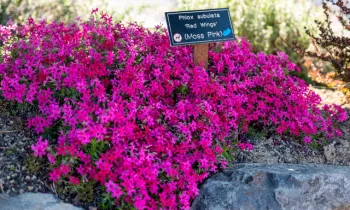
When planting succulents, focus on drainage. Mound boulders and gritty soil into berms – the added height improves drainage and prevents rot, as well as creating visual interest. Succulents can be really beautiful, and surprisingly very hardy.
Although they do need to be maintained with a bit of weeding, trimming, and deadheading, most rock gardens are designed to be drought-tolerant and relatively low maintenance. Paired with succulents, you’ll also be rewarded with year-round interest.
For rock garden ideas, visit the rock garden in our very own Sherwood Demonstration Garden. Also inspiring is the WPA rock garden in William Land Regional Park in Sacramento.
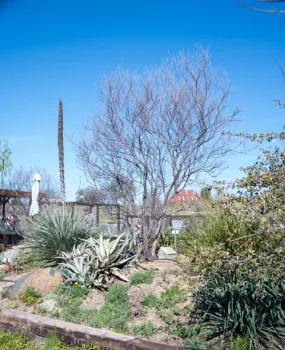
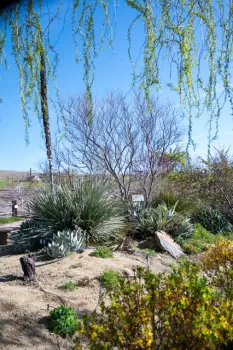
For more information on the UCCE Master Gardeners of El Dorado County, see our website
at http://mgeldorado.ucanr.edu. To sign up for notices and newsletters, see http://ucanr.edu/master gardener e-news.