
As one of ten Research and Extension Centers operated by the UC Division of Agriculture and Natural Resources, this location is administratively separate from the UC campuses. Many researchers who use the Center hold faculty appointments at UC Davis or UC Berkeley or are UC Cooperative Extension advisors located in California counties.
Land History Story Map
Our Landscape
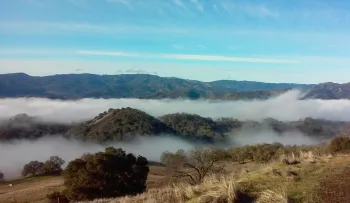
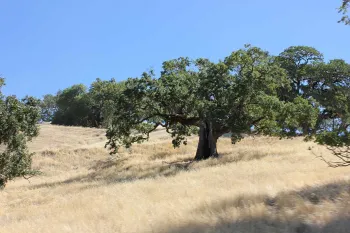
Four principal vegetation types (grass, woodland-grass, dense woodland, and chaparral) are found here, including more than 600 plant species. Most of the acreage is rangeland of rugged topography, situated in the foothills of the Mayacamas Mountains, part of the Coast Range. Only about 25 acres of valley floor are irrigated and suitable for cropland. Riparian corridors are found throughout the Center in drainages from natural springs, and along Parson's Creek, a tributary of the nearby Russian River. Also on the Center are several natural ponds, as well as many seasonal vernal pools. The Center provides a rich, diversified opportunity for natural resources and agricultural research and extension programs, especially on topics pertinent to rangelands of the central and northern coast of California.
Serving California
The many research projects conducted at the site provide answers to the pressing animal science, rangeland management, wildlife, plant science, entomology, and public health questions facing Californians. Through scientific discovery and a broad range of educational programs serving youth and adults we strive to support our communities in these key areas:
People
- Increased community disaster preparedness and resilience to extreme weather and change in climate.
- Improved community health and wellness.
Planet
- Increased ecological sustainability of agriculture, working landscapes, and natural ecosystems.
- Improved land stewardship (e.g., equitable land access, land use planning, restoration, and management strategies).
Prosperity
- Improved animal management (e.g., welfare, profitability, and sustainability).
- Enhanced community economic development.
Click here to learn more about our research projects.
Click here to learn more about educational programs and upcoming events.