
The versatile loofah (or luffa) is edible, but famous as a natural sponge
Luffa, often spelled loofah, Luffa aegyptiaca, is a vining gourd in the cucumber family. It can be used as a vegetable when it is young and the cucumber-like fruit is only six inches or less. It is rich in nutrients and high in fiber, often used in stir-fries and other Asian cuisine. Once it has matured, it dries into a fibrous, stringy interior, and is then used as a biodegradable sponge for the kitchen or bath.
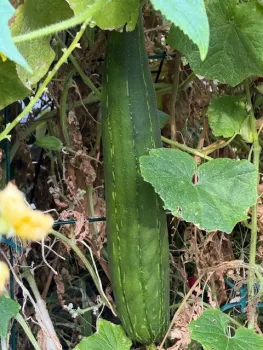
Seeds can be started indoors four to eight weeks prior to last frost. Luffa has a long growing season of 100 to 180 days. For best results, soak seeds for 24 hours to help with germination. Seeds need consistent warmth to germinate, between 75-90 degrees F. A heat mat works well for this. Seeds can also be direct sown in warm soil, usually around mid-May in many areas. You should start your seeds indoors soon for harvest in September.
Once the danger of frost has passed, seedlings can be hardened off by leaving them outdoors for several hours each day.
The tricks for planting and growing luffa
Plant luffa in well drained fertile soil rich in organic matter. Ideal soil is neutral to slightly alkaline with high moisture and good drainage. Keep soil consistently moist but not soggy. Approximately five gallons of water per plant per week is a good guide. Fertilize using balanced fertilizer when flowers appear, as you would with cucumbers.
Small seedlings grow slowly, while the roots become strong, and luffas prefer warm dry climates. Luffa grows best in full sun; plants produce flowers in two months after planting. Flowers are bright yellow.
Pruning is a must to keep the vines healthy. The vines will grow everywhere if not kept under control. If grown in optimal conditions, gardeners may get between 10-40 gourds per plant! Each luffa can produce between 100-300 seeds on average. However, for every three seeds you plant, only two will grow, even for professional growers. You can grow luffa in a 25-to-30-gallon pot or large grow bag with a trellis of some sort to support growth.
Harvesting for sponges is the fun part
Harvesting luffa for sponges is the fun rewarding part of growing this plant. Gourds should be ready to harvest in the fall. To use as kitchen or bath sponges, the luffa should be dried out, be yellow to brown in color, and light weight. If you shake them, you can hear the seeds rattling inside. You can shake out any seeds to keep for your spring planting and share some with friends.
If it is close to fall frosts, you can harvest them and allow them to dry inside your home, just watch for signs of mold. Peel off the outer brittle brown skin, revealing fibrous, spongy material inside. Rinse and wash the luffa then let it dry completely, then cut the luffa into your desired sizes. Use your sponges as cleaning tools, and of course for your relaxing baths. Happy Planting!
This article by UC Master Gardener Judy Hobbs originally appeared in a March 2026 issue of the Mountain Democrat.
If you would like to discuss luffas or any other plant in your home garden, you can Ask a Master Gardener for help. Submit your question through our online survey tool.