UC ANR is committed to providing an accessible and inclusive web experience for all users. If you encounter an accessibility barrier or need content in an alternative or remediated accessible format, please contact anraccessibility@ucanr.edu.
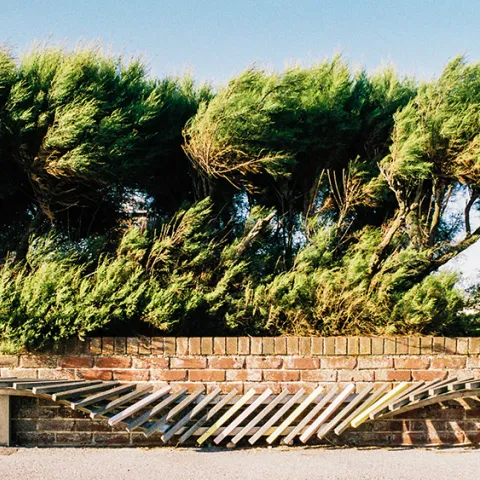
Plants can dry out quickly when exposed to constant wind. Photo credit: UC Regents The force, direction, and persistence of the wind determine the type of damage plants may suffer. Most damage occurs with winds above 30 miles per hour.
Drought stressed leaves may curl and look scorched. Photo credit: UC Regents Water is essential for the chemical and physical processes that plants need to survive and grow. Healthy plants depend on the movement of water from the soil through the roots and up into the leaves.
> Figuring out what's wrong > Most common: nitrogen & iron deficiency > How to address nutrient deficiencies Plants need the right combination of nutrients to live, grow, and reproduce. Too little or too much of one or more nutrients can cause problems for plants.
Weeds, ants, rats and gophers, snails, and slugs these are just a few of the pests that may take up residence in your garden. A fast and easy way of dealing with unwanted creatures is to spray or bait them with a poison.
Too much water is the most common cause of decline in landscape trees and shrubs, either through directly killing plants or making them more prone to disease. Too much watering can result in fertilizer runoff into storm drains and pollutes waterways.
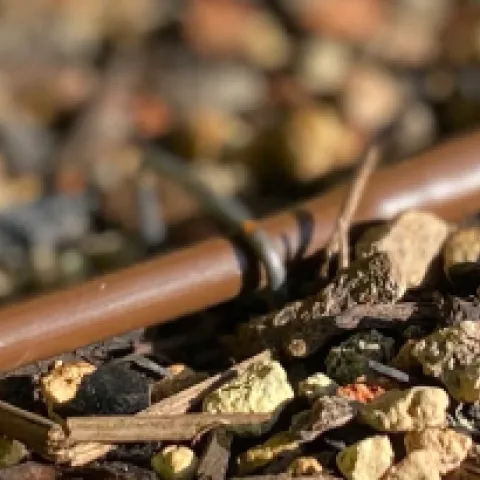
Checking your irrigation system periodically to reduce leaks and help conserve water usage. Photo: L Stiles Almost a third of Marin Countys water is used for irrigation. The majority of Marin residents use around 8,000 gallons or less of water per month.
This informal rain garden incorporates plants and wildflowers alongside a permeable walkway. Credit: Wikimedia Commons Rain gardens are designed to collect water and beautify a garden. They allow water to sink into the ground in about 48 hours rather than sloshing down storm drains.
Photo: New York Public Library, Unsplash To get more comfortable with plants, its good to familiarize yourself with common plant lingo. Here are some of the ways plants are categorized: Native Native plants are part of a unique ecosystem that evolved over hundreds or thousands of years.