UC ANR is committed to providing an accessible and inclusive web experience for all users. If you encounter an accessibility barrier or need content in an alternative or remediated accessible format, please contact anraccessibility@ucanr.edu.
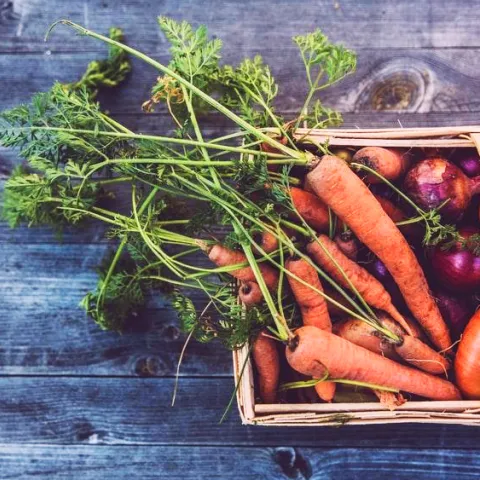
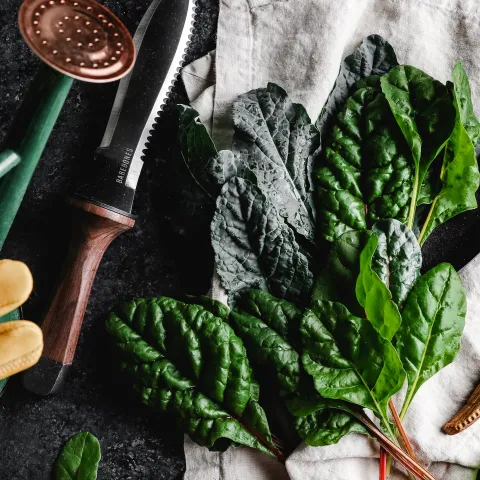
Growing some of your own food is as healthy as it is satisfying. Homegrown crops taste better and come in a much wider variety than what is found in grocery store aisles. Growing your own also allows you to control the environment so you're assured what you're eating is truly organic.
Growing a successful edible garden takes planning, correct timing, and a little know-how. But once you have it down it is such a pleasure to eat homegrown produce fresh from the garden. Here's what you need to get started.
Be sure to grow what you and your family like to eat. Marie Narlock It's possible to eat fresh from the garden all year long in Marin. Doing so takes a fair amount of planning. Here's how to determine which crops will suit your climate, space, and palate.
Few areas of the garden benefit from detailed preparation like the edible garden. The two most important components are putting the infrastructure in place (beds and irrigation) and using healthy soil.
Edible gardens are a world unto themselves in the landscape. There are many strategies unique to vegetable gardens that extend growing times, keep the garden healthy, and maximize crop yields. Here's a cheat sheet of common edible garden lingo and strategies.
Monitor the garden for pests and diseases as you maintain it. Photo: Courtesy UC Regents Once the fruit trees, berries, herbs and vegetables are planted, the magic begins. Even seasoned gardeners marvel at how the seed becomes the plant that produces a vegetable that appears on a plate.
Edible gardens are certainly not immune to pests and diseases. Pests can take out tender young plant shoots in one night, eat holes in mature leaves and fruit, and leave slimy tracks all over.
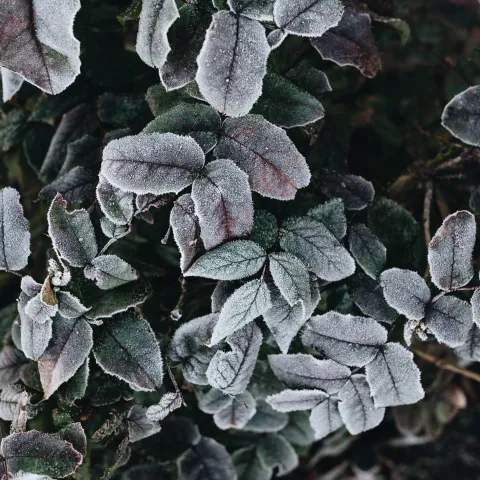
Frost injures plants by causing ice crystals to form in plant cells. This makes water unavailable to plant tissues and disrupts the movement of fluids. Frost-damaged leaves appear water-soaked, shrivel, and turn dark brown or black.
Wilted, drooping leaves are signs of heat stress in plants. Photo credit: Pikist.com Plants are sensitive to both air and soil surface temperatures. Temperatures ranging from 60 to 85F are optimum for plant growth and development.
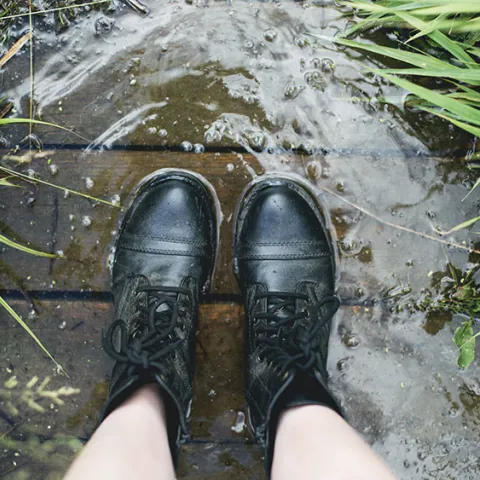
Richard Bell, Unsplash Most landscape plants will survive a few days of flooding. Photo credit: Iowa State University Plant roots need air too. Good garden soil contains a network of pore spaces filled with water and air. Both are necessary for healthy roots and beneficial soil-dwelling organisms.