UC ANR is committed to providing an accessible and inclusive web experience for all users. If you encounter an accessibility barrier or need content in an alternative or remediated accessible format, please contact anraccessibility@ucanr.edu.
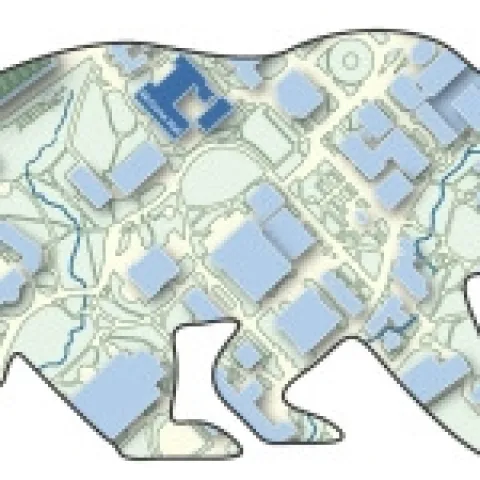
Great news! The UC Berkeley Graduate ?Certificate ?in? Geographic ?Information ?Science ?and? Technology? (GIST)? has been approved. This certificate will provide? an ?academic? structure ?for ?an ?interdisciplinary ?exchange ?of? ideas ?around? geospatial? information ?and ?analysis.
My title is Regional Advisor Invasive Plants, but I really think of myself as a Weed Scientist (which sometimes gets an interesting response from some people; those that likely have a smoking habit).
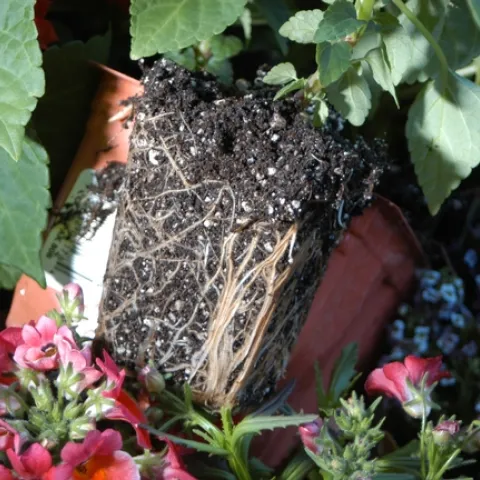
Jim Downer is the Environmental Horticulture Advisor in Ventura County Cooperative Extension As growers of thousands of ornamentals we understand that minerals absorbed mostly by roots as ions are essential for plant growth and development.
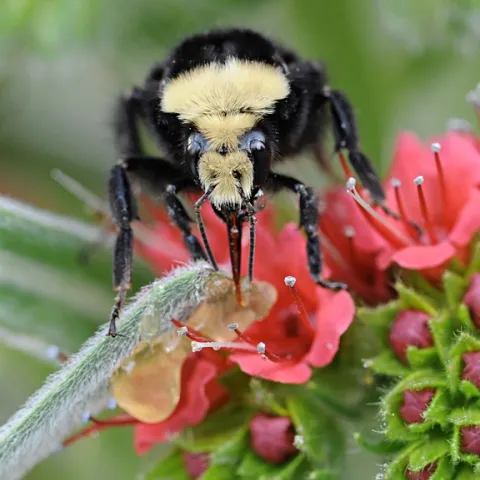
If you've been itching for that long--awaited book about North America's bumble bees, the itch and the wait are over. You can now order the book, titled "Bumble Bees of North America: An identification Guide," on the Princeton University Press website.
From Stephen Powles (Australia) Attached are details on a good opportunity for a scientist focused on crop-weed issues in the Northern cropping zone of Australia. This is a University of Queensland position, in an initiative known as QAAFI.
USDA Creates Multi-Agency Emergency Response Framework to Combat Devastating Citrus Disease USDA Providing $1 million to Jump Start Citrus Response Framework WASHINGTON, December 12, 2013 - The U.S.
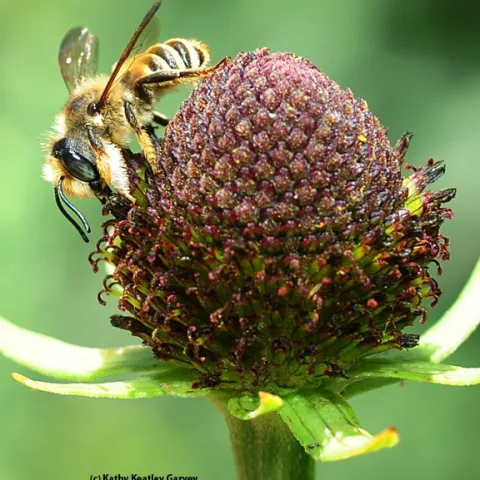
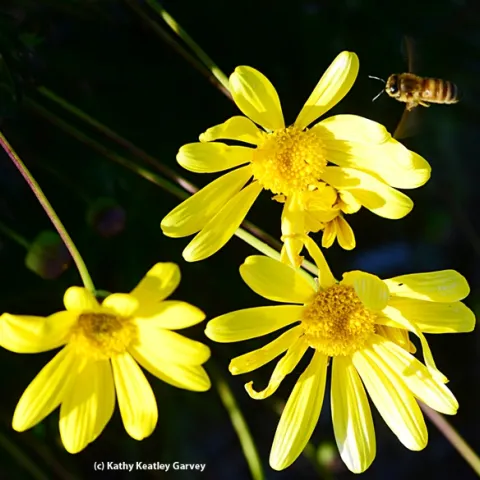
It's time for a spray of sunshine. The golden daisy bush (genus Euryops, family Asteraeae), will do that to you. The popular perennial both brightens your garden and attracts honey bees and other insects. The name originates from "eurys," Greek for "large" and "ops," meaning eye.