UC ANR is committed to providing an accessible and inclusive web experience for all users. If you encounter an accessibility barrier or need content in an alternative or remediated accessible format, please contact anraccessibility@ucanr.edu.
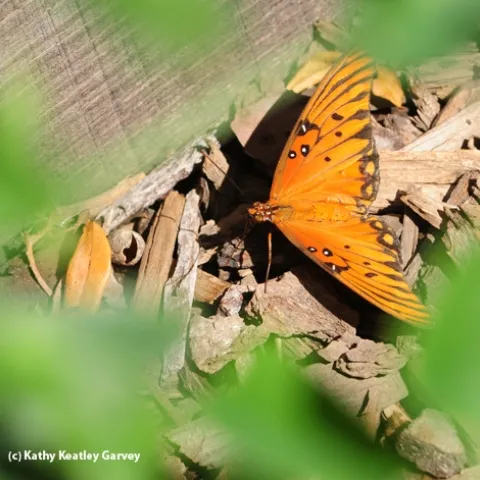
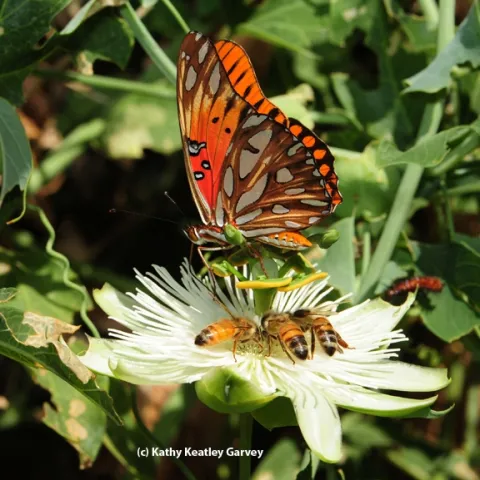
It was a Gulf Fritillary kind of day last Saturday, Sept. 21 at the Bohart Museum of Entomology, UC Davis. That would be Agraulis vanillae. Visitors to the open house saw Gulf Frit eggs, caterpillars, chrysalids and adults.
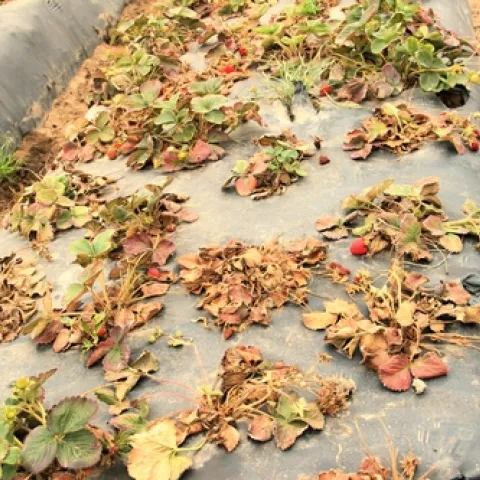
Dead and dying strawberry plants with pallidosis-related decline in Santa Maria. Photo by Surendra Dara Pallidosis-related decline or pallidosis disease of strawberries is a viral disease that appeared in several fields in the Santa Maria area early this year.
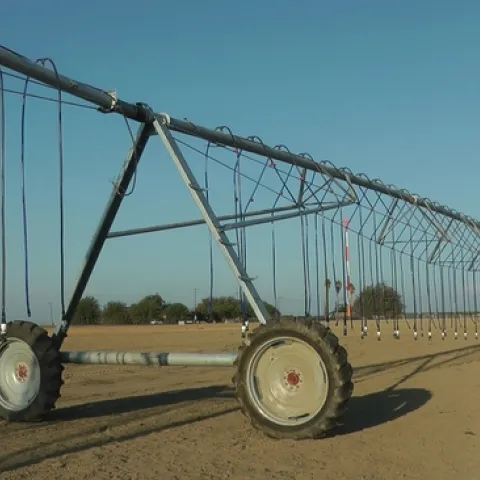
Diminishing water supplies, farm labor shortages, environmental impacts and shrinking agricultural profits are prompting more California farmers to seriously consider adopting conservation practices in their annual row crop production systems.
Check out that moustache! Once you see the powerfully built robber fly of the Asilidae family, with its huge eyes, short proboscis and bristly "moustache," you won't forget it. It's an aggressive predator known for its speed, its strength, and its power.
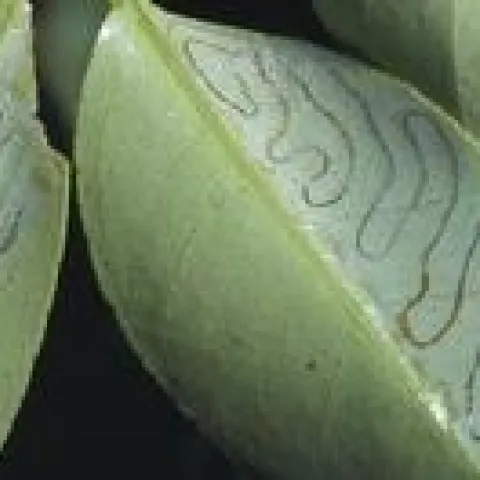
Citrus Leafminer calls are up these last few weeks. This is one of those insects that loves new tissue and the fall flush usually gets it pretty badly because their populations have been hovering around all summer waiting for some new flush to come.
University of Minnesota honey bee researcher Marla Spivak, in her TED talk on honey bee health, referred to bees as "flower feeders." That they are. Flower feeders. As are other pollinators from butterflies to beetles to bats.
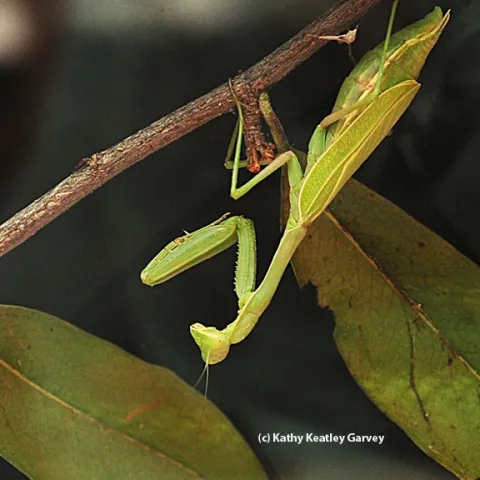
If you've never been up close and personal with a praying mantis, here's your chance. At the Bohart Museum of Entomology's open house on Saturday, Sept. 21 from 1 to 4 p.m., at the University of California, Davis, you'll see not one, but two, praying mantids. And very much alive.
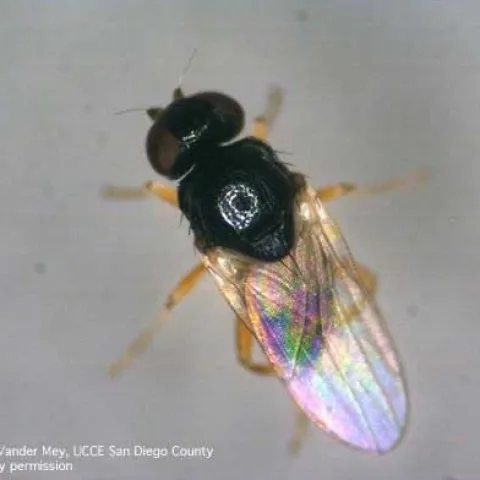
Eye gnats are small nuisance flies that are attracted to people's eyes, noses and mouths or sweating skin and open sores. They breed in moist soil that is high in decaying organic matter, often in agricultural operations.