UC ANR is committed to providing an accessible and inclusive web experience for all users. If you encounter an accessibility barrier on this or need content in an alternative or remediated accessible format, please contact anraccessibility@ucanr.edu.
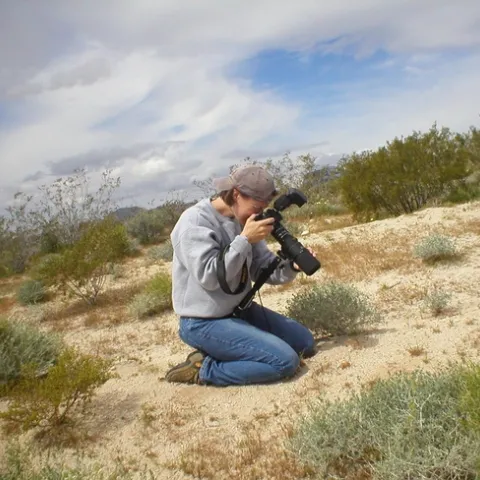
Ever heard the sound of katydids? The meadow katydids, the true katydids, the round-headed katydids, the bush katydids and the shiedback katydids? They're all there, in all their glory. Entomologist/educator/author/lecturer/photographer/broadcaster Art Evans of Richmond, Va.
In the past few days we've seen some unusual high temperatures in the Sacramento Valley, and looks like the hot weather is going to continue for a few more days.
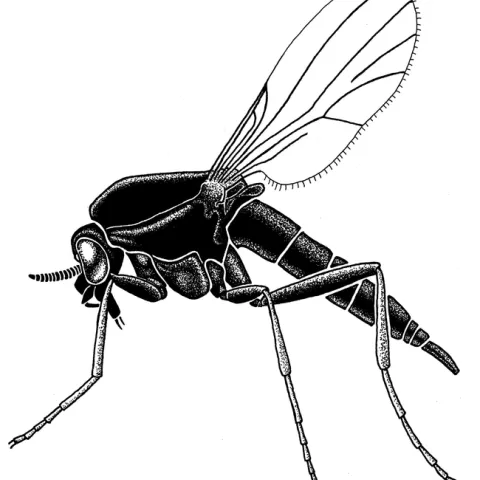
The next time you see a spider eating a bee snared in its web, look closely. The spider may not be alone. It may have a dinner companion. A freeloader fly. The common name, "freeloader fly," refers to the Milichiidae family.
Episode 2 of CASI's six-part documentary series, "The Value of Residues in Conservation Agriculture Systems," has been released on the CASI webpage, http://CASI.ucanr.edu. (The video has also been posted below.
Reminder Here are 2 events you dont want to miss. Centennial Celebration and Rice Field Day Program Rice Experiment Station, Biggs, CA Wednesday, August 29, 2012 Aquatic Weed School 2012 Bowley (Plant) Science Teaching Center, UC Davis Sept.
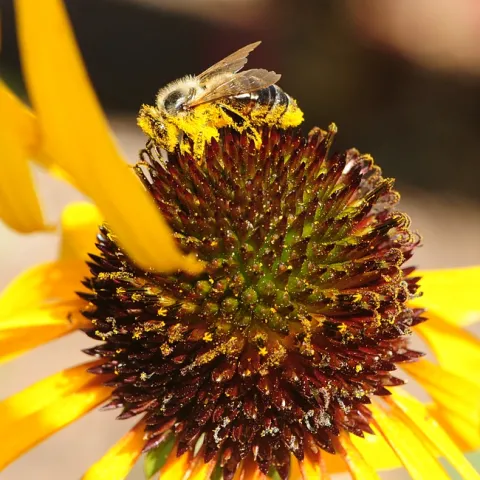
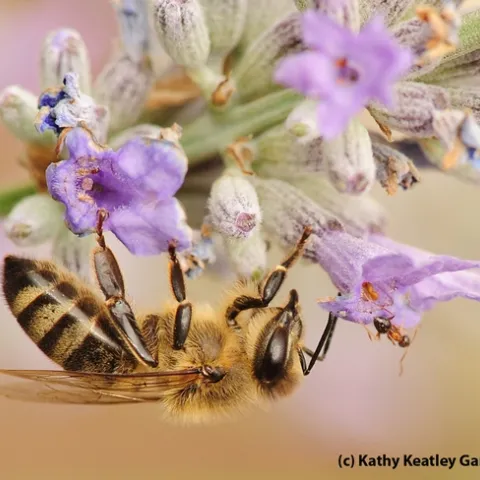
Are you ready for the Great Bee Count? It's happening Saturday, Aug. 11. You're encouraged to be a "citizen scientist" and count the bees in your backyard or garden over a 15-minute period and to watch or listen to a national online video broadcast at http://www.yourgardenshow.
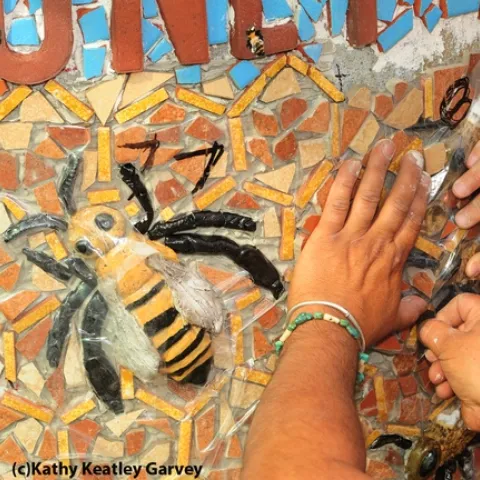
Bee creative! That's what scientists at the University of California, Davis; area artists; and the general public will "bee" during the Davis Art Center's public exhibit, "Discovery Art: Cross Pollination, Sharing Art, Sharing Ideas," on Friday night, Aug. 10.
Videos of individual presentations that were made at the public launch of Conservation Agriculture Systems Innovation (CASI) are now available for viewing at http://ucanr.edu/LaunchCASI.
Abstract: Cheatgrass and its cousin, red brome, are exotic annual grasses that have invaded and altered ecosystem dynamics in more than 41 million acres of desert shrublands between the Rockies and the Cascade-Sierra chain.
Native on native. That's when you get when you see a yellow-faced bumble bee (Bombus vosnesenskii) on a penstemon, also known as "beard's tongue." Both the bee and the flower are native to North America.