UC ANR is committed to providing an accessible and inclusive web experience for all users. If you encounter an accessibility barrier or need content in an alternative or remediated accessible format, please contact anraccessibility@ucanr.edu.
They can fool you. Just like replica designer bags, shoes and sunglasses meant to look like the real thing (think Louis Vuitton, Jimmy Choo and Prada), those digger bees on Bodega Head, overlooking Bodega Bay, look like bumble bees. Especially the females.
I think there's enough blame to go around on this one. http://www.cnn.com/video/?hpt=hp_c2#/video/us/2012/07/11/pkg-mn-lawn-accidentally-killed.kare 1. Employees should have asked the guy about what he needed to do 2.
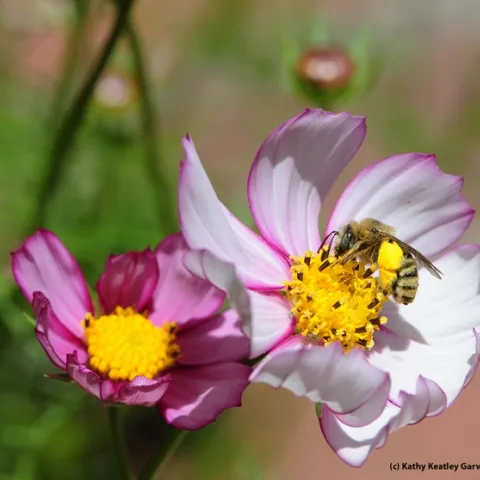
Makes sense that the sunflower bee (Svastra spp.) forages on the genus Cosmos. Cosmos (also the common name) is a member of the sunflower family, Asteraceae. Sunflower bee: sunflower family. A specialist bee.
Summary Winged primrose willow is an invasive weed that was identified in Butte County rice fields in 2011. Most infestations were along borders of fields and canals; however, this weed can thrive in the flooded environment within rice fields.
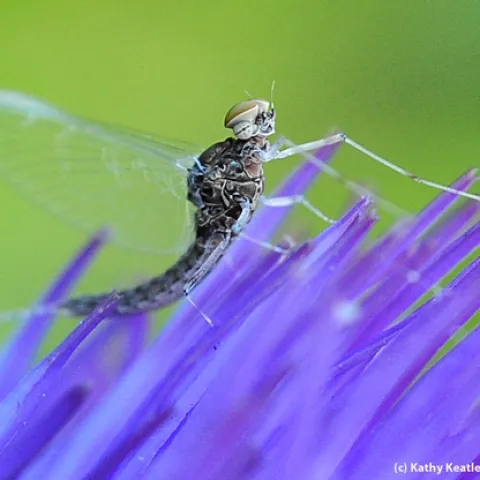
Oh, the critters we overlook. If you have flowering artichokes, expect to see honey bees, bumble bees, carpenter bees, leafcutter bees and syrphid flies foraging on them. And a few spiders waiting for dinner. Don't expect to see a mayfly. The mayfly habitat is in or around water.
During the 2000s, organic milk production was one of the fastest growing segments of organic agriculture in the United States, according to a USDA Economic Research Service publication Characteristics, Costs, and Issues for Organic Dairy Farming.
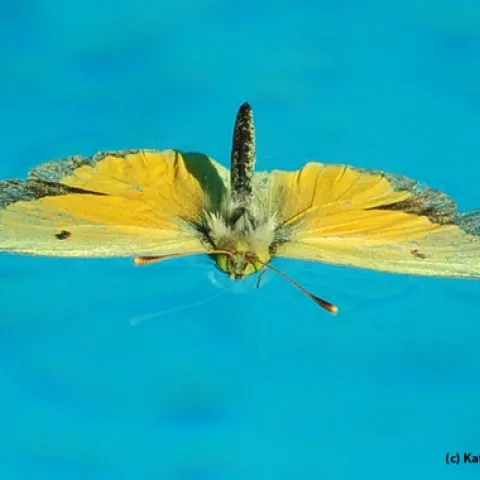
We've seen bumble bees, honey bees, sweat bees, wool carder bees and syrphid flies topple into our swimming pool, but never an alfalfa butterfly until now.
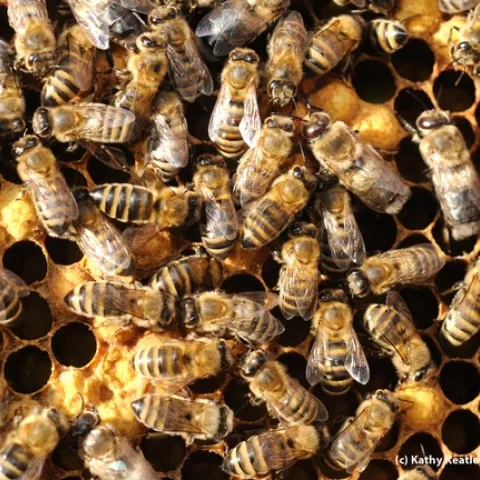
Pity the poor worker bee. In the spring/summer months, she lives only four to six weeks and then she dies. Bee scientists say she basically works herself to death.
Thick, waxy coating on avocado leaves makes foliar nutrients difficult to abosorb. LTTLE EVIDENCE TO SUPPORT THE USE OF FOLIAR APPLIED NUTRIENTS IN AVOCADO Simon Newett, Extension Horticulturist.