
Vegetable Gardening - Handbook for Beginners
Chapter 3.1.
When dealing with insects in your vegetable garden, determine the acceptable level of infestation - how much damage can your plants withstand before you feel that you must take action? How many chewed or dried-up leaves can the plants stand, and how much yield can you sacrifice before you take measures to curb the population?
This level of tolerance varies from person to person. Some gardeners can’t stand the sight of a single creepy-crawly beast or marred leaf, while other gardeners routinely plant extra to accommodate the anticipated loss.
Generally, concerns for the health and safety of our food, the soil, and groundwater supplies require that we begin with the least disruptive action, such as blasting pests with jets of water. If the problem persists, apply increasingly destructive methods, such as narrow- spectrum pesticides for specific problems. Take these intermediate steps, rather than turning immediately to the “one spray kills all” approach, because these sprays do kill all: beneficial insects and soil organisms as well as the offending insects.
Less toxic insecticides (insecticides that cause few injuries to people and organisms other than the target pest) listed below should be a first choice when you need pesticides to control insects. Always check product labels to be sure they are registered for your plant or pest situation.
Insecticidal soaps
Insecticidal soaps (potassium salts of fatty acids) control aphids, whiteflies, and mites; come in easy-to-use squirt bottles for small jobs; and require complete coverage of pests and sometimes a repeat application.
Insecticidal oils
Insecticidal oils control aphids, whiteflies, mealybugs, scale insects, spider mites, lacebugs, psyllids, and thrips. Good coverage of plants is required. Don’t apply to water-stressed plants or when temperatures are above 90 °F. Petroleum-based oil products include superior, supreme, narrow range, and horticultural oils. Plant-based oil products include jojoba, neem, and canola oils.
Microbial insecticides
Microbial insecticides are derived from microorganisms that cause disease only in specific insects:
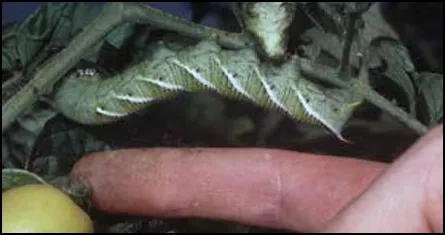
- Bacillus thuringiensis ssp. Kurstaki (Btk) controls leaf-feeding caterpillars.
- Bacillus thuringiensis ssp. israelensis (Bti), sold as mosquito dunks, controls mosquitoes.
- Spinosad is a microbial-based insecticide that controls caterpillars, leafminers, and thrips, but it also can harm some beneficial insects.
Entomophagous nematodes
Entomophagous nematodes (insect-feeding nematodes) are microscopic worms, mostly Steinernema and Heterorhabditis species, that attack insects. Use them against lawn insects, clear-winged moths, and carpenterworms. Because they are living organisms rather than a pesticide, they are very perishable, so order through the mail to assure freshness.
Botanical insecticides
Botanical insecticides, which are derived directly from plant materials, vary greatly in their chemical composition and toxicity but usually break down in the environment rapidly.
- Pyrethrins (pyrethrum) are used against a range of insects but are toxic to fish and aquatic organisms.
- Azadirachtin, from the neem tree, has limited effectiveness against pests but low toxicity to nontargets. Don’t confuse it with neem oil.
Garlic, hot pepper, peppermint oil, and clove oil are sold as insect repellents that protect plants. Little data is available on effectiveness.
Avoid these more toxic pesticides
- Pyrethroids such as permethrin, cyfluthrin, cypermethrin, and bifenthrin move into waterways and kill aquatic organisms.
- Organophosphates such as malathion, disulfoton, and acephate are toxic to natural enemies.
- Carbaryl harms bees, natural enemies, and earthworms.
- Imidacloprid is a systemic insecticide that can be very toxic to bees and parasitic wasps, especially when applied to flowering plants.
- Metaldehyde, a common snail bait, is toxic to dogs and wildlife. Use iron phosphate baits instead.1
If the current generation of plants can’t be saved, then certainly an improvement can be made for the next, whether in a subsequent planting or in next year’s garden. Most vegetables are determined to grow successfully to maturity - to produce foliage, flowers, fruits, and seeds - and then die. This is their natural process, and they will strive to proceed, no matter what. They will be more successful, and you will benefit more, when growing conditions—weather, fertilization, and irrigation—are ideal. To what degree plants achieve this goal depends on the quantity and timing of these elements, whether provided by nature or by the gardener. How the conditions in your garden are altered for better or worse will affect whether your plants thrive, barely exist, or die. This, in turn, will determine their vulnerability to diseases and pests and the quality of the produce you harvest. Healthy gardens make healthy plants, and healthy plants ward off diseases and pests more successfully than unhealthy ones.
The most important means of combating pests and diseases is through using good cultural practices. Thorough preparation of the soil before planting or sowing is necessary. Incorporating well-rotted manure, a balanced fertilizer, and compost will ensure that plants are given a good start in nutrition and proper drainage that will last through harvest. Additional compost or other organic mulches applied to the soil surface will help to retain soil moisture, provide further nutrients, and suppress weeds. Finally, watering appropriate amounts at appropriate times will aid in reducing pests.
1. Adapted from Less Toxic Insecticides, U.C. Agriculture and Natural Resources Integrated Pest Management: http://www.ipm.ucanr.edu, March 2010
Previous ← Chapters → Next or Return to the Table of Contents of this Handbook.