
February is a busy time in the garden for Central Coast gardeners. Whether we are planning the growing season, planting bare root acquisitions, starting seeds indoors, or transplanting cool-season crops, there is plenty to do.
Food Gardening:
- Seed Starting:
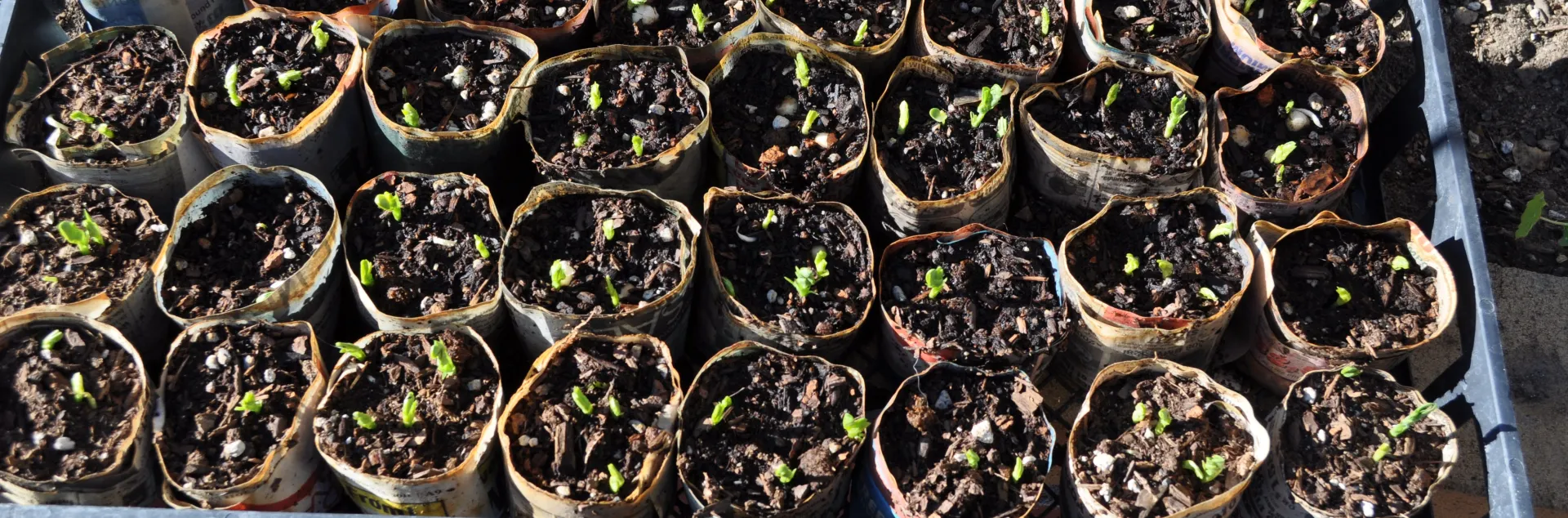
- Access our spring seed starting presentation to learn all you need to know to successfully start seeds.
- Cool-Weather Crops:
- Plant cool-weather crops, including radishes, carrots, kale, greens (like lettuce, arugula, spinach), and brassicas (like broccoli, cauliflower). Put transplants into the garden and start seeds indoors for a crop later in the season.
- Transplant grapes, strawberries, chives, onions, green onions.
- Perennial Vegetables:
- Caneberries:
- Plant bare root caneberries. Prune after the first year and again after harvest.
California Natives, Flowers and Ornamentals
- Plant deciduous shrubs.
- Plant annual bulbs, particularly early summer blooming bulbs, such as gladiolus, canna lilies, ranunculus
- Cool-season annual flowers can be planted now. One tip is to spread wildflower seeds before it rains.
- Prune roses now through early spring. Pruning dead, diseased or damaged canes is always a good idea, but pruning roses regularly contributes to the overall health of the plant and supports blooms.
- Plant roses. Bare root roses are an economical way to add new varieties to your garden.
- Prune perennial plants. Sometimes moving them to a more suitable part of the garden will help them thrive.
- Perennials such as daylilies, chrysanthemums, douglas iris and yarrows can be divided. Use clean, sharp tools.
- Native plants are best propagated in fall and winter.
- Watch for petal blight of azalea, rhododendron, and camelias. Remove and discard old flowers. Apply fresh organic mulch beneath plants.
Fruit Trees
Miscellaneous
Evergreen Tips
|