

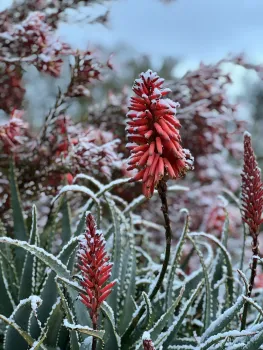
Even though winter has arrived, it's a crucial time for garden preparation. Between storms and seed catalog browsing, there are many tasks to ensure your garden thrives come spring. Explore our winter gardening guide for tips on everything from pruning to pest management.
General Garden Maintenance:
- Drainage:
- Address drainage issues revealed by winter storms.
- Seed Inventory:
- Check seed viability with a germination test before purchasing new seeds.
- Bare Root Planting:
- Take advantage of bare root season at local nurseries. Research suitable varieties for your area.
- Tool Care:
- Perform winter maintenance on garden tools.
- Frost Protection:
- Protect cold-tender plants during frost or freeze warnings.
- Soil Compaction:
- Avoid compacting wet soil when weeding. Wait for the soil to dry.
Food Gardening:
- Seed Starting:
- Access our spring seed starting presentation to learn all you need to know to successfully start seeds.
- Cool-Weather Crops:
- Plant cool-weather crops like radishes, carrots, kale, and brassicas.
- Perennial Vegetables:
- Caneberries:
- Plant bare root caneberries. Prune after the first year and again after harvest.
- Straw Bale Gardens:
- Start conditioning straw bales for spring planting. Utilize the winter rains.
California Natives, Flowers, and Ornamentals:
- Bulb Planting:
- Plant annual bulbs, especially early summer bloomers like gladiolus, canna lilies, and ranunculus.
- Cool-Season Annuals:
- Plant cool season annual flowers. Spread wildflower seeds before rain.
- Rose Care:
- Prune roses now through early spring. Prune dead, diseased, or damaged canes. Consider participating in a hands-on rose pruning class. Utilize the UCANR rose guide.
- General Pruning:
- Prune diseased, dead, or damaged branches anytime (except for potential frost damage). Prune perennial plants and divide them if needed.
- Native Plant Propagation:
- Propagate native plants in fall and winter.
- Disease Control:
- Watch for petal blight on azaleas, rhododendrons, and camellias. Remove old flowers and apply fresh mulch.
Fruit Trees:
- If you're interested in bare root fruit trees, visit the UCANR guide. UCANR offers a chill hour calculator with stations in each county to help you choose a suitable variety. Fruit Trees for Every Garden by Orin Martin is a good resource for local recommendations.
- Winter prune deciduous fruit trees utilizing this helpful guide.
- Keep the orchard floor as disease and pest-free as possible for a healthy orchard next season. Pick up diseased leaves, fallen fruit (mummies).
- Deciduous fruit tree maintenance schedule. Includes recommendations for fertilization schedules by fruit type.
Miscellaneous:
- Pollinator Habitat:
- Maintain areas of bare soil for native bees and other pollinators.
- Integrated Pest Management (IPM):
- Practice IPM with regular observation. Check for aphids, caterpillars, slugs, and snails.
Evergreen Tips:
- Tool Sterilization:
- Sterilize pruning tools regularly.
- Irrigation:
- Adjust irrigation for cooler weather and check for leaks.
- Disease Prevention:
- Remove diseased plant material and discard in green waste. Do not compost.
- Container Sterilization:
- Sterilize planting containers with soap and water or a 10% bleach solution.