

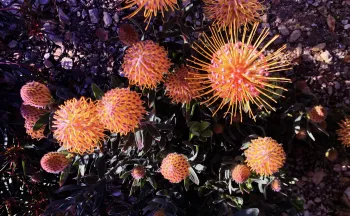
While October typically marks the start of cooler weather and fall garden prep, warm temperatures mean a few extra considerations. Whether you're planting cool-season crops or caring for your California native plants, fall is a wonderful time to enjoy the garden, but take steps to protect it from the heat.
Food Gardening
- Cool-season vegetable considerations: If you’re transitioning to cool-season crops, opt for quick-maturing varieties that are more heat-tolerant due to the ongoing warm temperatures. Vegetables like greens, Swiss chard, lettuce, kale, and other brassicas (e.g., broccoli, cauliflower, cabbage) can still be planted but should be located in the coolest part of your garden. Shade cloth or temporary covers may be useful during the heatwave to prevent wilting or bolting.
- Root crops: Direct seed beets, radishes, turnips, and carrots into your garden beds. Make sure to thin seedlings to give them ample space to mature. With the heatwave, water these beds frequently to keep the soil moist and cool.
- Consider succession planting for a continuous harvest: Every 2-3 weeks, plant small batches of cool-season crops like spinach, lettuce and radishes for a steady supply of vegetables through fall and winter.
- Plant cover crops: If you want to rest your beds for the season, it's an ideal time to sow cover crops, such as clover, fava beans, or vetch. These "green manures" help improve soil fertility, suppress weeds, and prevent soil erosion over the winter. Once they’ve grown, you can turn them into the soil in early spring to provide organic matter and nutrients for your spring crops.
- Alternatively, to prepare garden beds for winter: If you're letting some beds rest for the winter, consider adding compost or well-rotted manure to improve soil structure. Mulch heavily with straw or leaves to protect the soil from erosion and keep it fertile for spring planting.
- If you still have tomatoes, peppers, and eggplants: Give these plants some extra attention. Pinch off flowers to encourage the plant to focus on ripening the existing fruit. You can use row covers to protect these warm-season crops from cool nights and extend their growing season.
- Summer squash: If you're still harvesting summer squash, continue to pick regularly to encourage more production. However, as the nights get colder, the plants will begin to wind down.
California Natives, Flowers and Ornamentals
- Keep annual flower beds weeded to minimize competition for water and nutrients, which are especially important during hot weather.
- Deadhead spent flowers to prolong blooming, but consider allowing some to go to seed to benefit local wildlife, such as birds and pollinators.
- Plant Spring-Flowering Bulbs: Plant spring-flowering bulbs like daffodils, tulips, hyacinths, and irises. These bulbs need the cool winter months to establish roots before blooming in spring. Plant bulbs in well-drained soil and place them in a location that receives plenty of sun during the day. Ensure you plant them at the recommended depth for each variety, and water well after planting to help them settle into the soil.
- Tip: Consider using bulb fertilizer when planting to give them a nutrient boost, ensuring healthy blooms next spring.
- For warmer microclimates, you might want to refrigerate bulbs like tulips for 6-8 weeks before planting to mimic the cold winter conditions they need.
- Cool-season annuals: Plant pansies, violas, foxgloves, nasturtiums, and California wildflowers on cooler days. These will provide vibrant color in the cooler months and set the stage for spring.
- California Native Plants: While October is a great time to plant natives, the odd heatwave may stress newly planted natives. Be sure to water them regularly during their first year to help them establish. Use mulch to retain soil moisture but avoid placing it directly against the plant base.
- Roses: Lightly prune roses after blooming and remove any dead, diseased, or damaged canes. Mulch around the base and fertilize as needed, but be sure to water deeply and mulch to keep the roots cool in the heat. Deadhead blooms down to the first set of 5 leaves to promote healthy new growth.
Fruit Trees
- Clean up fallen or spoiled fruit to prevent pests and diseases from overwintering. This is particularly important during the heat, as fruit may rot faster, attracting unwanted pests.
- Citrus and avocado care: Citrus and avocado trees can experience sunburn in extreme heat, so consider applying a whitewash to young tree trunks for protection or shade trees.
- Mulching: When mulching around trees, keep the mulch at least 6 inches away from the trunk to prevent rot and mulch out to the drip line (the outer edge of the tree canopy). Mulch helps retain moisture and keeps the root zone cooler, which is critical during heatwaves. Water deeply and less frequently to ensure roots can access moisture.
- Clean up fallen or spoiled fruit: This helps prevent pests and diseases from overwintering in your orchard.
- Pruning tips
- Always use clean, sharp tools.
- Prune suckers (branches growing vertically from the base of fruit trees) or sprouts below the graft collar from fruit trees.
- Avoid using sealants after pruning as they can interfere with natural healing. Instead, allow the pruning cuts to air dry.
- Prune suckers (branches growing vertically from the base of fruit trees) or sprouts below the graft collar from fruit trees.
Evergreen Tips
- Sterilize planting containers before reusing them. Wash with mild soap and water to clean. Disinfect planting containers with a 10% bleach solution, meaning 1 part bleach to 9 parts water.
- Sterilize your pruning tools regularly to not spread disease.
- Remove diseased plant material (or discard in your green waste can) to keep your garden as disease free as possible. Do not add diseased plant material to your home compost or leave them in your garden beds. Some pests and diseases can overwinter.
- Irrigation systems: Run it to check for leaks. Make repairs and seasonal adjustments.