
Health & Safety

University of California 4-H Youth Development Program: Page

Healthy Living

4-H empowers you to be healthy in both body and mind. Having the confidence and skills to lead a healthy lifestyle improves your overall well-being and ability to tackle today's challenges.
View Page
Primary Image
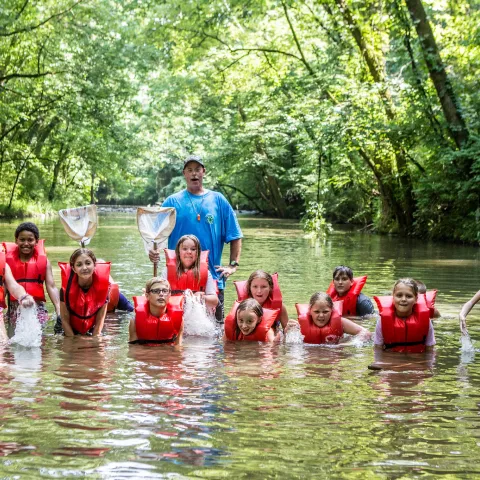
Adult with youth in lifejackets in river, holding nets
University of California 4-H Youth Development Program: Page

Outdoor Activities

Outdoor activities in 4-H range from science projects such as rocketry and astronomy, to shooting sports, sports and gardening. Many counties offer outdoor exploration projects to take advantage of learning in the diverse outdoor landscape in California.
View Page
Primary Image
2 youth painting flowerpots
University of California 4-H Youth Development Program: Page

Projects

A 4-H project is a hands-on way for you to find your "spark" - something that you enjoy doing and that interests you.
View Page
University of California 4-H Youth Development Program: Page

About California 4-H

The University of California 4-H Youth Development Program (California 4-H) is open to all youth ages 5 to 18 in every county in California. California 4-H believes in the power of young people. We see that every child has valuable strengths and real influence to improve the world around us. California 4-H…
View Page
University of California 4-H Youth Development Program: Page

Access, Equity and Belonging

California 4-H wants all young people to have a place where they can grow, learn, and feel welcome. We are working to make sure every young person has a fair chance to succeed.
View Page
Primary Image
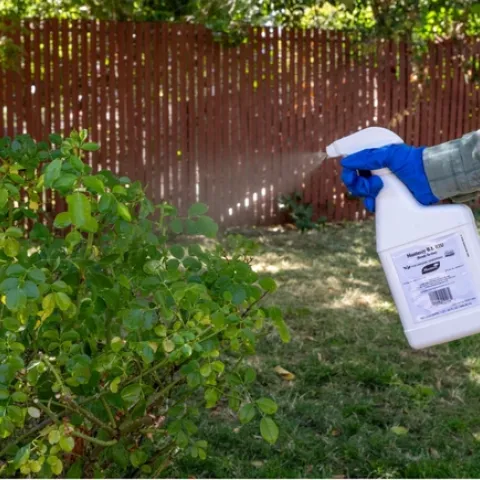
A person wearing rubber gloves using a spray bottle to spray pesticide on a rose bush outside.
Pests in the Urban Landscape: Article

Tips for Using Pesticides Safely

February 24, 2025
By Lauren Fordyce
At UC IPM we recognize pesticide safety education every month, but February in particular is National Pesticide Safety Education Month! Below are some simple tips for using pesticides safely to protect yourself, others, wildlife, and the environment.
View Article
Thriving Forward: Article

Adverse Childhood Experiences (ACEs): The Original 10 ACEs (Part 1 of Series)

February 21, 2025
By Kaitlyn A Murray, Sally E Neas, Matthew R Rodriguez
Research on Adverse Childhood Experiences (ACEs) shows how traumatic events, or life experiences that cause psychological distress (Gradus & Galea, 2022), that occur during childhood (0-17 years) have profound implications on an individual's long-term health and well-being, physically, mentally, and...
View Article
Primary Image
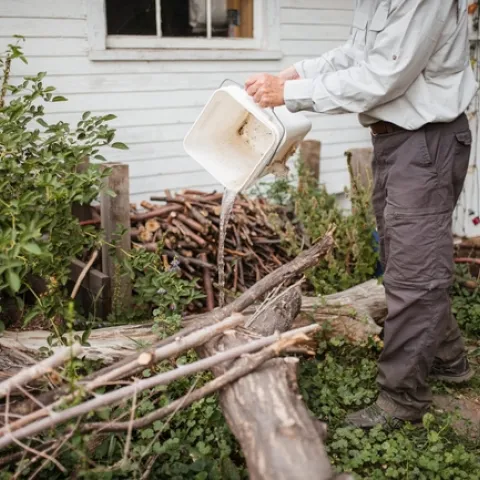
Person dumping a white bucket of water outside.
Pests in the Urban Landscape: Article

Drain After Rain to Prevent Mosquitoes

February 20, 2025
By Lauren Fordyce
Recent rainfall throughout much of California has created puddles and stagnant water. With the temperature warming up in many parts of the state, this combination can create the perfect situation for mosquitoes to breed. We encourage you to drain after the rain to reduce mosquito-breeding sites.
View Article
Primary Image
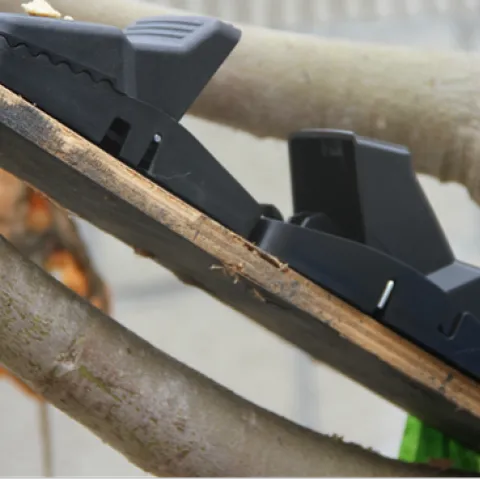
Two rat traps secured to a tree limb using a piece of wood and tape
Pests in the Urban Landscape: Article

Your Rat Management Questions Answered!

January 14, 2025
By Lauren Fordyce, Niamh M Quinn
UC IPM recently hosted a webinar on rat management presented by Dr. Niamh Quinn. During this webinar attendees were able to ask the expert their burning questions about rats and their management. Below are responses to common questions from the webinar.
View Article
Primary Image
A family child care home provider sits at a table with three children and talks to them about the food they are eating while they share a lunch meal together.
Nutrition Policy Institute: Article

Evidence to Support an Additional CACFP Meal Reimbursement for Family Childcare Home Providers

December 3, 2024
By Danielle Lee, Kassandra A Bacon, Celeste Felix, KC Fiedler, Susana Matias, Lorrene D Ritchie
Policy Brief • December 2024 • Download PDF (284 KB) “Ideally, we would like a reimbursement for all the meals that we serve, which is five. But if I have a secondary choice, I would want to be reimbursed four meals, breakfast, lunch, and dinner, plus either AM snack or PM snack.” – Family childcare…
View Article