UC ANR is committed to providing an accessible and inclusive web experience for all users. If you encounter an accessibility barrier on this or need content in an alternative or remediated accessible format, please contact anraccessibility@ucanr.edu.
Garden Help Our Garden Help pages for vegetables, fruits, and nuts have growing tips as well as links to information on pests and diseases common in our area.
When to plant: March–April (after last frost date)
Harvest window: Varies widely depending on variety
Fertilization: Nitrogen throughout the growing season; iron, zinc, and other nutrients may be needed
Train young trees to promote lateral growth.
May gardening tips for Santa Clara County, categorized by To-Dos, What to Plant, or Pests and Diseases. Tips are available for each month, as well as tips that are applicable for every month.
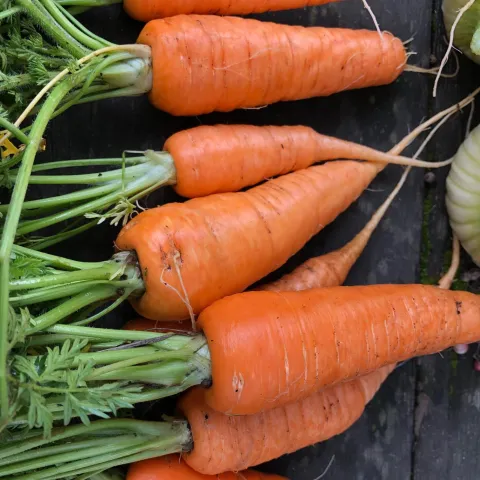
The carrot study consisted of growing 14 varieties of carrots in three different soil textures and compositions. There were several objectives for the study: Determine the best germination method for planting seeds.
Before buying roses you should survey the area where you will be planting them. Most roses require 6-8 hours of direct sun and can withstand full sun in our planting region. Next, pick roses that are disease resistant.
UCCE Master Gardeners of Central Sierra are here to answer your gardening questions! Fill out the Ask A Master Gardener online form for your county. You can attach photos and we walk you through all of the information that might be pertinent.
The Los Guilicos Demonstration and Teaching Garden includes an outdoor teaching classroom that is located in the valley below the Mayacamas Mountains in east Santa Rosa. Fieldtrips are available for schools and many educational events are held here for both children and adults.
Landscape Plants for Sonoma County We offer a number of plant lists to help you find the right plants for each place in your garden, or the right place for that plant you couldn't resist. The selection of plants on these lists is not intended to be exhaustive. There are many more plants that can be —…