Culinary herbs are an easy way to add healthy flavor and great taste to your cooking. Growing your own herbs keeps food costs lower as well as adding attractive, fragrant, and tasty plants to your landscape. A joint Master Gardener/Master Food Preserver class will discuss easy annual and perennial herbs to…
Descripción: ¡Aprende a cultivar tomates, pimientos, hierbas, ajo y cebolla! Jardinera Maestra Rebecca Flato explicará todo sobre la cultivación de estas plantas. Aprenderemos cómo elegir tomates para el clima de San Mateo, cultivar las plantas, cosechar, y preparar la tierra para la próxima cosecha. No se…
UC Master Gardeners of San Mateo & San Francisco Counties
Program: Are you interested in growing strawberries and/or blueberries, or have you tried to do so unsuccessfully in the past? Come and learn which varieties are recommended, what their requirements are for light, soil, water and fertilizer, how to plant and care for your plants, how to propagate them, and…
Program: Want to learn about growing edibles? Come and hear about preparation of planting beds and containers, selection of plant varieties including tomatoes, best watering practices and managing diseases and problems - lessons learned from a real garden.Location: Mill Valley Public LibraryDate: Saturday,…
Ready to start your FIRST vegetable garden? Or IMPROVE upon your previous efforts? Join us for our . . . NEW Vegetable Gardening Class Series giving less experienced vegetable growers the informationthey need to succeed. Class 2 - Planting & Caring for Your Vegetable…
UC Master Gardeners of Monterey, San Benito & Santa Cruz Counties
Would you like to continue to harvest luscious, home-grown vegetables even after the heat of summer subsides? If so, now is the time to plant for a fall and winter harvest. Learn how to grow a successful winter vegetable garden from UC Master Gardener Zack Dowell.
Learn how to successfully grow two of the most popular garden vegetables: tomatoes and peppers. Topics covered will be how to plant seedlings in the garden, methods of pruning and training growing plants, and diagnosing and resolving problems including pests.
No fat, low fat, no salt, watch the sugar; were constantly bombarded about how to eat healthier. One of the best ways to introduce healthy, delicious flavor into meals is to use herbs in our cooking. Many are easy to grow and preserve.
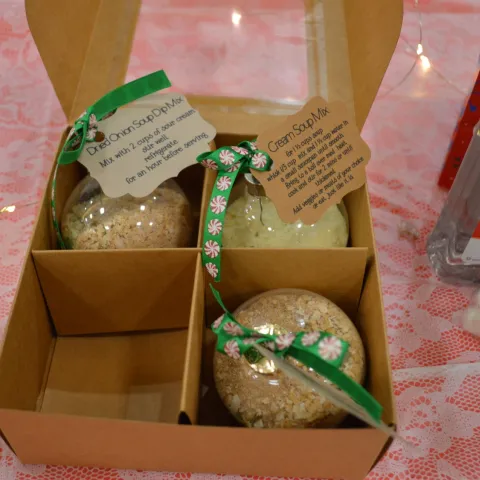
Join UC Master Gardeners and Master Food Preservers of El Dorado County for Gifts from the Garden and Kitchen. We'll share ideas for gifts you can give from your garden or kitchen as well as gift ideas for the gardener and the cook in your life.
Join Master Gardeners and the Master Food Preserver volunteers in a wonderful presentation on how to grow and preserve citrus. Come see how you can grow citrus successfully in our community.