UC ANR is committed to providing an accessible and inclusive web experience for all users. If you encounter an accessibility barrier or need content in an alternative or remediated accessible format, please contact anraccessibility@ucanr.edu.
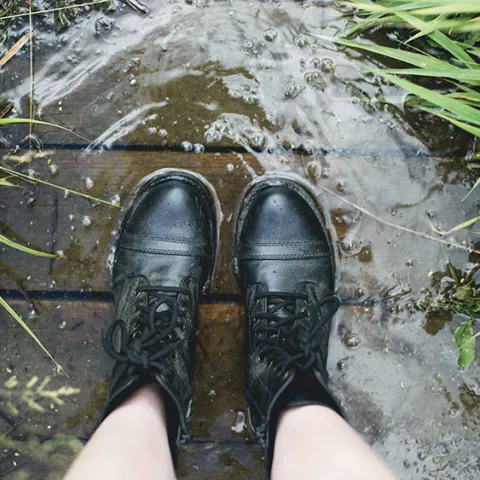
Gardening extremes occur when unexpected weather conditions challenge plant growth and survival. Frost, heat, floods, wind, and drought are all environmental changes that can result in plant injury. Plant damage can be sudden and severe or it may occur over time.
Wikimedia Commons > Physical factors > Environmental factors > Mechanical factors > Chemical factors Stormy weather, lack of water, drifting herbicides, freezing temperatures, transplant shock, compacted soils, mower injury, and lack of nutrients are some examples of factors that can damage plants.
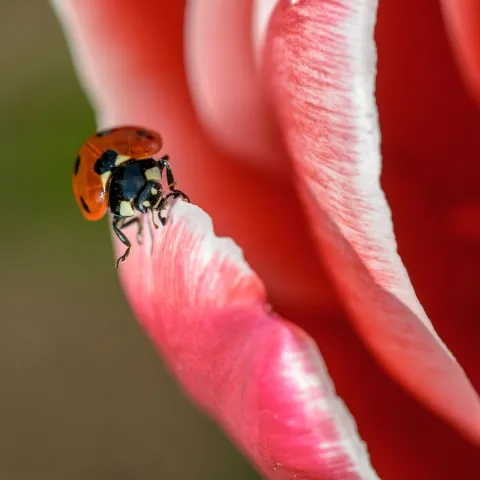
Syrphid wasp. Wikimedia Commons Biological control is the beneficial action of predators, parasites, and pathogens in managing pests and their damage. Any organism that feeds on another organism is its natural enemy.
UC ANR There are many different chemicals available for use in the garden. Unfortunately, these chemicals may contaminate soil, water, and air and may even harm plants, pets, and people.
We can grow thousands of different plants in our mild climate, which can make a visit to the nursery overwhelming. Photo, Leone Christine, Unsplash Thanks to Marin's mild climate, we can grow thousands of different plants.
Whether you're planting a new garden or refreshing an existing landscape, there is a world of horticultural beauty at your fingertips. Shrubs, perennials, groundcovers, and grasses form the backbone of many gardens.
Marin's beauty is vast and varied. Where else can you visit a coastal bluff, redwood forest, and oak woodland all in one day? In our gardens, the varied topography, microclimates, and proximity to open space can be a challenge especially when it involves clay soil or a steep hillside.
Bush anemone (Carpenteria californica) is a deer-resistant shrub that grows in sun or shade and has fragrant flowers. Photo: PlantMaster You can bring the natural beauty and ecology -- of your surroundings into your garden by growing some of the plants that were here before settlers arrived.
It's easy to invite bees, butterflies, hummingbirds, and other welcomed winged visitors into the garden. Just provide the food, water, and shelter they need to feel at home. This is called habitat gardening, and it's a satisfying way to choose plants.