UC ANR is committed to providing an accessible and inclusive web experience for all users. If you encounter an accessibility barrier or need content in an alternative or remediated accessible format, please contact anraccessibility@ucanr.edu.
Grow your best garden yet! UC Master Gardeners provide expert advice, classes, and resources to help you succeed in Monterey Bay. From help desk support to demonstration gardens, we're here to help you thrive
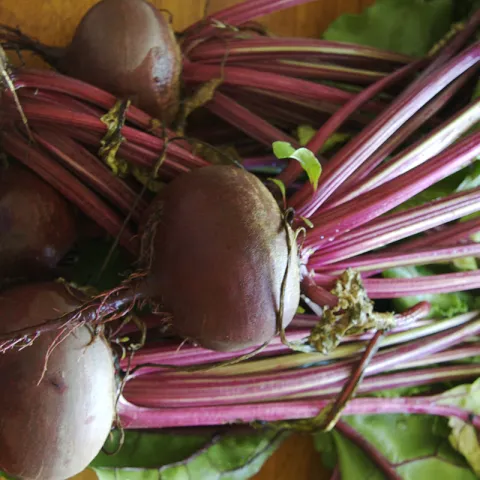
Beets, Beta vulgaris, are a herbaceous biennial that is usually grown as an annual during the cooler months of the year. It is grown as a root vegetable, but the leaves can also be eaten.
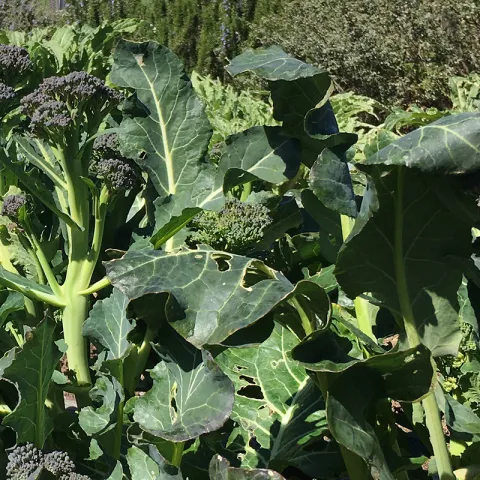
Broccoli, Brassica oleacea, is a cool season plant in the mustard family consisting of an edible flower head, stems, and leaves. There are short season and long season varieties. You can grow broccoli in the spring and again in the fall. Broccoli is delicious eaten fresh out of the garden.
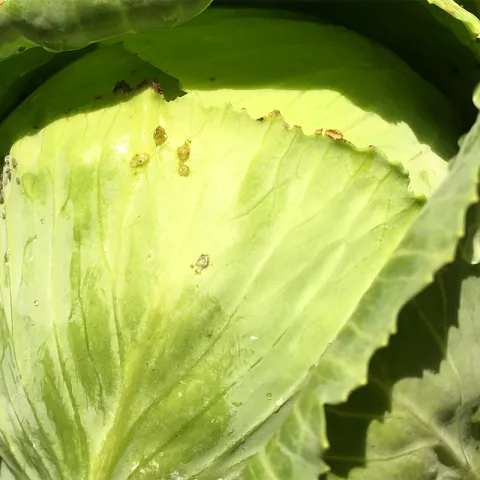
Cabbage, Brassica oleracea var capitata, is a cool weather vegetable related to kale, collards, broccoli, cauliflower, Brussels sprout, and kohlrabi. Can grow year-round along the coast. Native to coastal areas of Western Europe. There are short-season, mid-season, and long-season varieties.
Scientific NameMalus domestica Special ConsiderationsApples need sturdy branches. Heading cuts are necessary. Fruit grows on:Old wood (spurs). Spurs form on one to three year old trees. Spurs continue to produce fruit for eight to 10 years, then die off. Trees are continually generating new…
Scientific NamePrunus armeniaca Special ConsiderationsApricots bloom early (February or March). Therefore, late spring rains can limit pollination.Apricots are susceptible to a number of diseases, including eutypa, a water-borne fungal disease. As a result, apricots should be pruned only when rains are…
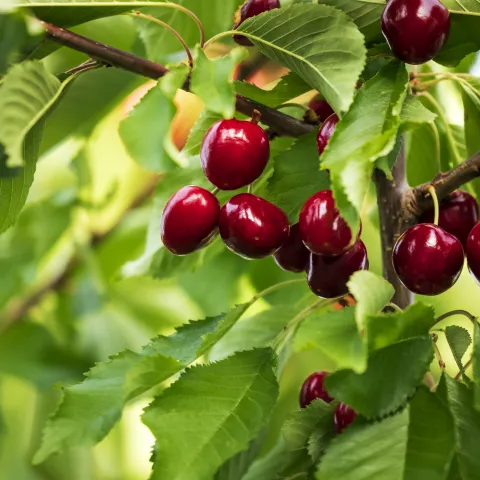
Scientific NamePrunus avium Special ConsiderationsGenerally, cherries are the most difficult fruit trees to keep alive. They do not tolerate wet feet and are very susceptible to brown rot, bacterial canker, root and crown rots, and eutypa, a water-borne fungal disease. As a result, cherries should be…
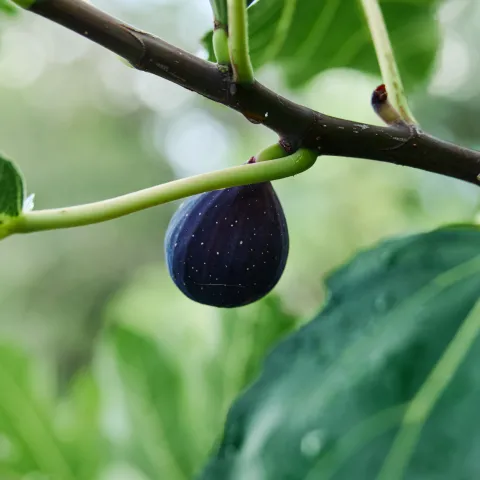
Scientific NameFicus carica Special ConsiderationsBlack figs require light pruning only. Fruit grows on:Old wood (on spurs).What to Prune in WinterRemove dead, diseased or damaged branches.Remove crossing branches.Remove any suckers growing from the base of the tree or from the roots.Use thinning…
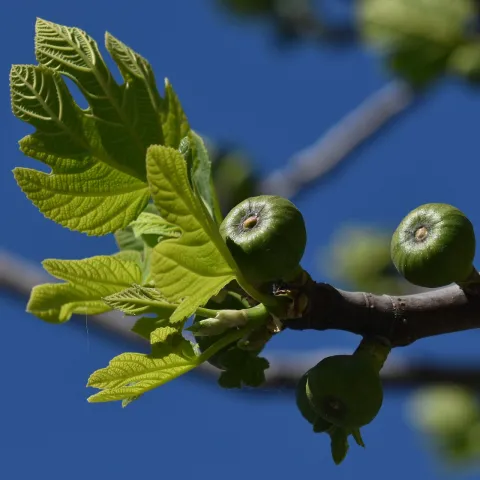
Scientific NameFicus carica Special ConsiderationsWhite and brown figs (e.g., Kadota, Thompson) require heavy pruning, because they produce fruit on new growth. Each winter, the wood that formed during the previous growing season must be almost completely removed to promote healthy new growth…