A Natural Solution for California's Herds: African Catfish Peptides

California's cattle producers and agricultural communities are all too familiar with the rising challenge of antibiotic resistance, making common bacterial infections harder to treat in livestock. But imagine a future where we could tackle these infections with a natural, powerful alternative. Our research points to just that: antimicrobial peptides (AMPs) found in African catfish.

We're really excited about these peptides because African catfish thrive in pathogen-rich freshwater, naturally producing these robust immune compounds in their skin mucus as a defense. This natural origin makes them highly appealing alternatives to synthetic drugs.

Predicted Safety and Potent Action

One of the most compelling aspects of these AMPs is their predicted safety for mammals. Our initial computer analyses suggest that various catfish AMPs are generally recognized as safe (GRAS). We predict they'll be absorbed in the human intestine without causing liver, brain, or heart toxicity. Furthermore, lab tests on a promising peptide, NACAP-II, confirmed it was non-hemolytic, meaning it didn't damage rabbit red blood cells—a strong indicator of its potential safety for mammalian cells.

Beyond safety, these peptides demonstrate effectiveness against problematic bacteria. One study revealed NACAP-II's strong activity against Extended-Spectrum Beta-Lactamase (ESBL)-producing Escherichia coli—a critical concern for both animal and human health due to its resistance to many common antibiotics. Another peptide, ACAP-IV, also showed antibacterial activity against E. coli and Staphylococcus aureus. We believe these AMPs work by directly disrupting bacterial cell membranes, a mechanism that makes it harder for bacteria to develop resistance compared to how they resist traditional antibiotics.
UC Master Food Preservers of Central Sierra: Article

Preserve it! Series: Use Slow Cookers Safely

April 30, 2026
Slow cookers are safe devices when used correctly Slow cookers (aka “crock pots”) work by cooking food at a low temperature (generally between 170-280°F) for several hours. Direct heat from the pot, steam, and long cooking times combine to destroy bacteria, making foods safe to consume.Some specific…
View Article
UC Master Food Preservers of Central Sierra: Article

Preserve it! Series: Should Stuffing Be Cooked in or out of the Bird?

April 30, 2026
From a food safety perspective, the answer is out The USDA recommends against cooking stuffing inside the cavity of whole turkeys, for one main reason: bacteria. Warm, moist stuffing is an ideal environment in which bacteria can proliferate, potentially causing foodborne illness. Stuffing that’s cooked…
View Article
Event Primary Image
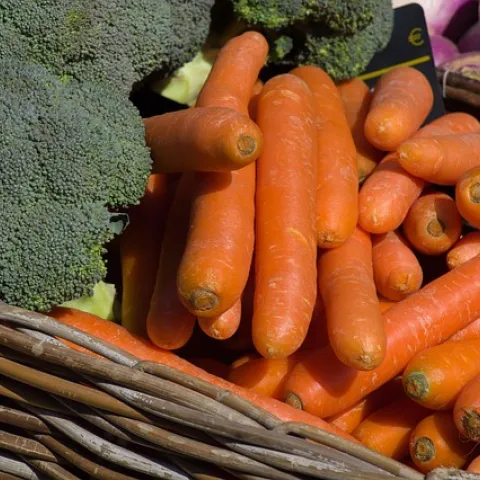
Broccoli and Carrots courtesy of Pixabay
UC Master Gardeners of Ventura County: Event

Winter Vegetable Gardening/Ventura

Event Date
Aug 29, 2026

Photo credit Pixabay Winter Vegetable Gardening Certified Master Gardener Terry Garman will speak about how to prepare for your winter vegetable garden. You will learn what to plant, when to plant, how to prepare your soil, fertilizing and irrigating, as well as vegetable garden pests. This class…
UC Master Gardeners of Ventura County
View Event
UC Master Food Preservers of Central Sierra: Article

Preserve it! Series: Should You Can Supersweet and White Corn?

April 30, 2026
Sure, you can, but they may not be the best pick Supersweet varieties of corn are popular because – well – super sweet! They are wonderful for fresh eating, but supersweet and white varies of corn are not necessarily the best choices for canning. Canning supersweet and white varieties of corn do not…
View Article
Event Primary Image
soil
UC Master Gardeners of Ventura County: Event

Healthy Soil/Ventura

Event Date
Jul 18, 2026

Photo credit Pixabay Healthy Soil  Healthy soil is the foundation of every thriving garden — and understanding it changes everything. Join Ventura County Master Gardeners for an informative class exploring soil biology, composting, and vegetable selection tailored to our coastal climate. Whether…
UC Master Gardeners of Ventura County
View Event
UC Master Food Preservers of Central Sierra: Article

Preserve it! Series: What Are the Crunchy Crystals in My Jelly?

April 30, 2026
Tartrate crystals are a common occurrence in grape products  Hard, crystalline shards or granules are often found in home canned grape juice, syrups and jellies. These formations are the result of tartaric acid, a naturally occurring compound in grapes, reacting with potassium. The reaction forms…
View Article
Article

About the Environmental Water Quality Blog

April 30, 2026
By Esther N Lofton
 Environmental Water Quality: Understanding Pollutants, Processes, and Watershed Connections Water Quality Beyond the TapWater quality is often something we think about only when there is a problem.In Southern California, however, water quality is shaped every day by how water moves through our…
View Article
Primary Image
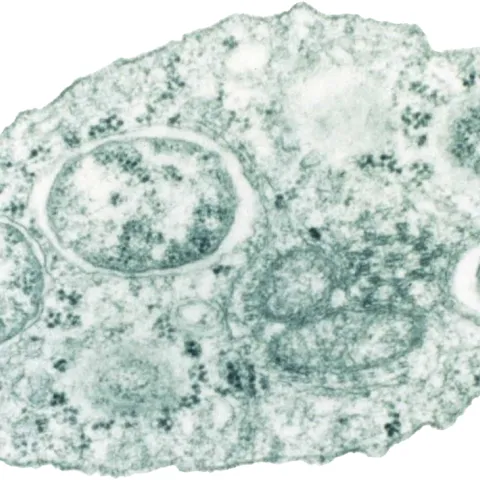
ransmission electron micrograph of Wolbachia within an insect cell. (Wikipedia)
Bug Squad: Article

A Powerful Biological Tool for Targeting Mosquitoes?

April 30, 2026
By Kathy Keatley Garvey
 A powerful biological tool for targeting mosquitoes?UC Chancellor’s Postdoctoral Fellow Lyna Ngor of the UC Irvine Department of Ecology and Evolutionary Biology, will discuss "Exploring Flower-Mediated Wolbachia Transmission: A Self-Sustaining Approach to Mosquito-Borne Disease Control" at the UC…
View Article
Event Primary Image
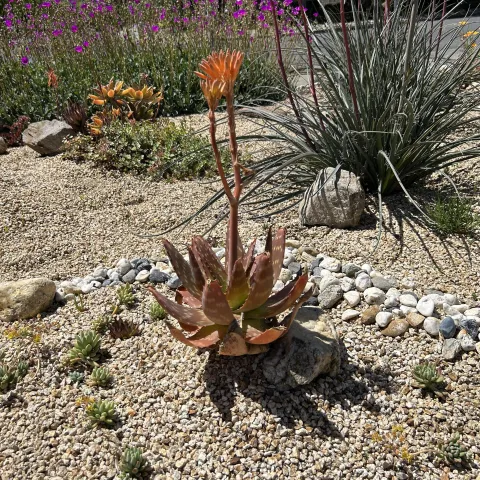
Large brown succulent with a stemmed orange flower growing from the center. Succulent is planted in a rock garden.
UC Master Gardeners • Napa County: Event

Succulents: Out of the Pots, Into the Ground!

Event Date
Jul 25, 2026

Join Master Gardeners to learn how to integrate succulents into your garden plan.Master Gardeners will explore the ecological and environmental benefits of succulents in your garden. Learn how to create a beautiful garden by putting these amazing and versatile plants to work, transitioning them from…
UC Master Gardeners • Napa County
View Event
Event Primary Image
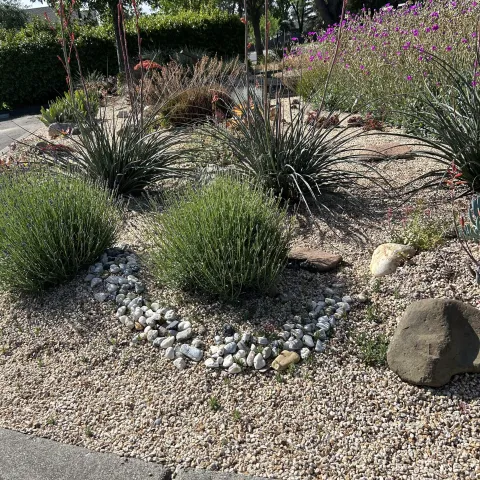
Large, drought resistant shrubs planted in rocks.
UC Master Gardeners • Napa County: Event

Plan and Create a Native, Low-Water, Pollinator or Succulent Garden

Event Date
Jun 27, 2026

The Las Flores Learning Gardens in north Napa is a premier demonstration site featuring California natives, pollinator-friendly plants, low-water/low-maintenance landscaping, and succulents. In partnership with the City of Napa, Master Gardeners transformed once-weedy areas into beautiful gardens for…
UC Master Gardeners • Napa County
View Event