A Natural Solution for California's Herds: African Catfish Peptides

California's cattle producers and agricultural communities are all too familiar with the rising challenge of antibiotic resistance, making common bacterial infections harder to treat in livestock. But imagine a future where we could tackle these infections with a natural, powerful alternative. Our research points to just that: antimicrobial peptides (AMPs) found in African catfish.

We're really excited about these peptides because African catfish thrive in pathogen-rich freshwater, naturally producing these robust immune compounds in their skin mucus as a defense. This natural origin makes them highly appealing alternatives to synthetic drugs.

Predicted Safety and Potent Action

One of the most compelling aspects of these AMPs is their predicted safety for mammals. Our initial computer analyses suggest that various catfish AMPs are generally recognized as safe (GRAS). We predict they'll be absorbed in the human intestine without causing liver, brain, or heart toxicity. Furthermore, lab tests on a promising peptide, NACAP-II, confirmed it was non-hemolytic, meaning it didn't damage rabbit red blood cells—a strong indicator of its potential safety for mammalian cells.

Beyond safety, these peptides demonstrate effectiveness against problematic bacteria. One study revealed NACAP-II's strong activity against Extended-Spectrum Beta-Lactamase (ESBL)-producing Escherichia coli—a critical concern for both animal and human health due to its resistance to many common antibiotics. Another peptide, ACAP-IV, also showed antibacterial activity against E. coli and Staphylococcus aureus. We believe these AMPs work by directly disrupting bacterial cell membranes, a mechanism that makes it harder for bacteria to develop resistance compared to how they resist traditional antibiotics.
Primary Image
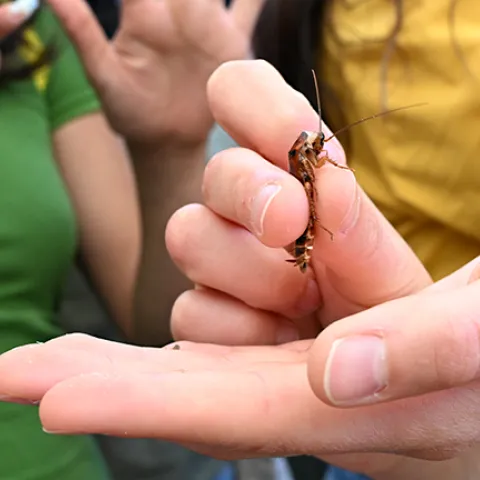
An entomologist holds a roach, ready to compete.
Bug Squad: Article

Who Introduced the Roach Races to UC Davis?

April 14, 2026
By Kathy Keatley Garvey
 Trivia question of the day: Who introduced the UC Davis Roach Races,  a popular attraction at the annual campuswide UC Davis Picnic Day?Have you ever been to the roach races, hosted by the UC Davis Entomology Graduate Student Association (EGSA) and heard all the cheering and shouting? The roaches…
View Article
UC Cooperative Extension Imperial County: Page

Agronomy & Weed Management

Agronomy Program OverviewAgronomy is the branch of agricultural science focused on field crop production and soil management, integrating biology, chemistry, ecology, soil science, and plant science to improve how crops are grown and how soils are cared for. Agronomy blends science, technology, and practical…
View Page
Primary Image
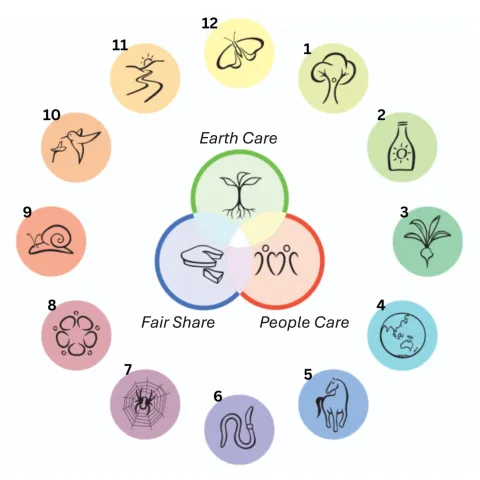
Illistration of Permaculture Principles adapted with numbers corresponding to descriptions of the principles in the article. Illustration by PermaculturePrinciples.com - CC BY-NC-ND 2.5 AU.
The Savvy Sage: Article

An Introduction to Permaculture

April 14, 2026
By Deborah Cunningham
Article by Diana Herrera - International Permaculture Day, which is celebrated on the first Sunday in May, is a day to practice and observe permaculture in action. So what is permaculture and how can we get involved? Permaculture is a design method, a set of techniques, a philosophy, and a social…
View Article
Policy, Compliance, and Programmatic Agreements: Page

Policy and Procedure Manual

Policy and Procedure Manual (PPM)100 Series: Introduction  200 Series: Business and Finance                                  …
View Page
Primary Image
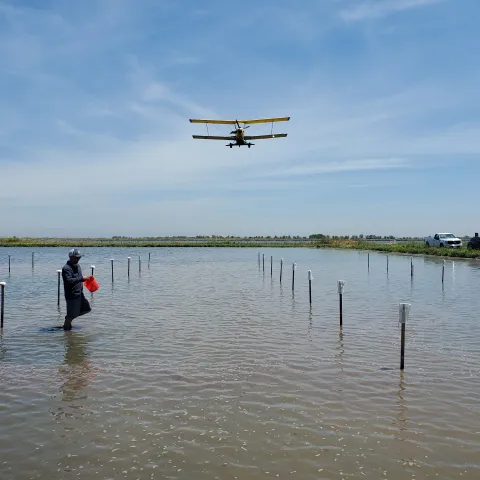
An airplane flying seed into a flooded rice field. There is a person in the foreground holding a plastic bucket.
Colusa County: Article

April 2026 - Rice Briefs Newsletter

April 14, 2026
By Sarah Marsh Janish
April 2026 Rice Briefs is the spring newsletter for the UCCE Colusa & Yolo Rice Program. This newsletter contains the following articles in the attached document: Upcoming Events Looking for Collaborators for Field Trials! Where can you reduce fertilizer input costs? Effects of azoxystrobin when…
View Article
Primary Image
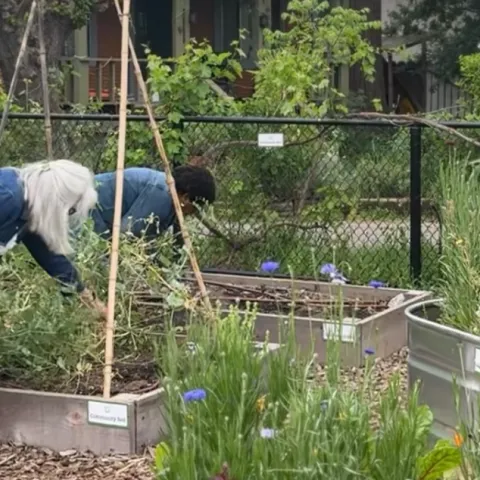
Group of volunteers working in the garden
UC Master Gardener Program Statewide Blog: Article

Volunteers Reimagined Garden Education in Butte County. Now It Reaches Thousands.

April 14, 2026
By Barbra Braaten
 In classrooms across Butte County, UC Master Gardener volunteers were helping students plant seeds, dig in the soil and ask questions about the world around them. The work was meaningful, but it also revealed a challenge: There was not enough time to reach every student in a lasting way.At the same…
View Article
Thriving Forward: Article

Cultivating Emotionally Healthy Beyond Ready Skills

April 14, 2026
By Matthew R Rodriguez
IntroductionWe all have feelings. And they matter. Feelings help us learn about ourselves and others. Despite their benefit, many of us have a hard time identifying feelings. In his book, Permission To Feel, Dr. Marc Brackett encourages us to lean in to our feelings. By doing so, we can lead more healthy and…
View Article
Forestry Research and Outreach: Page

Reforestation Workshops

 The scale of reforestation needed across California in the wake of wildfires requires an all hands, all lands approach.  As more organizations join the effort, UC Cooperative Extension is proud to facilitate reforestation workshops across the state in collaboration with local partners.  Join…
View Page
IWP Training: Page

IWP Archive

Archiving Documents and Pages IT has pushed out the IWP Archive and it is now available for all IWP users. As part of this release, we have proactively archived every document (Word files, PDFs, etc.) stored in IWP. Below you’ll find a quick guide on how the archive works.Where to Find the ArchiveThe…
View Page