A Natural Solution for California's Herds: African Catfish Peptides

California's cattle producers and agricultural communities are all too familiar with the rising challenge of antibiotic resistance, making common bacterial infections harder to treat in livestock. But imagine a future where we could tackle these infections with a natural, powerful alternative. Our research points to just that: antimicrobial peptides (AMPs) found in African catfish.

We're really excited about these peptides because African catfish thrive in pathogen-rich freshwater, naturally producing these robust immune compounds in their skin mucus as a defense. This natural origin makes them highly appealing alternatives to synthetic drugs.

Predicted Safety and Potent Action

One of the most compelling aspects of these AMPs is their predicted safety for mammals. Our initial computer analyses suggest that various catfish AMPs are generally recognized as safe (GRAS). We predict they'll be absorbed in the human intestine without causing liver, brain, or heart toxicity. Furthermore, lab tests on a promising peptide, NACAP-II, confirmed it was non-hemolytic, meaning it didn't damage rabbit red blood cells—a strong indicator of its potential safety for mammalian cells.

Beyond safety, these peptides demonstrate effectiveness against problematic bacteria. One study revealed NACAP-II's strong activity against Extended-Spectrum Beta-Lactamase (ESBL)-producing Escherichia coli—a critical concern for both animal and human health due to its resistance to many common antibiotics. Another peptide, ACAP-IV, also showed antibacterial activity against E. coli and Staphylococcus aureus. We believe these AMPs work by directly disrupting bacterial cell membranes, a mechanism that makes it harder for bacteria to develop resistance compared to how they resist traditional antibiotics.

Event Primary Image
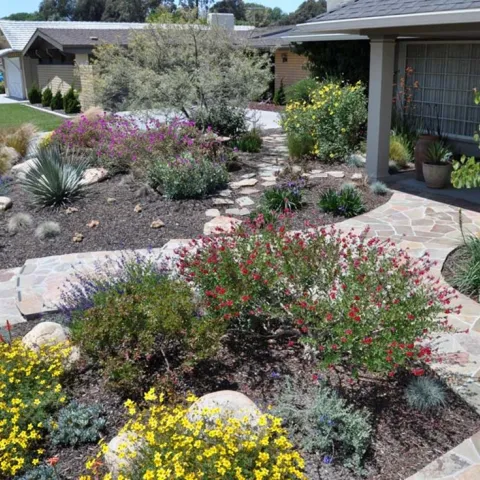
residential house with fire-smart landscaping and pathways
UC Cooperative Extension Marin County: Event

Wildfire and Residential Landscapes - Reducing vulnerabilities to homes and structures in 2026

Event Date
May 6, 2026

Landscape designers, installers, and maintenance professionals face increasingly complex demands to deliver beautiful home landscapes that reduce fire risks. This training will provide current policy, science, and practice for the creation, implementation, and maintenance of residential landscapes that can…
UC Cooperative Extension Marin County
View Event
Event Primary Image
rainbow touching down on rolling green hills and a red barn
UC Cooperative Extension Marin County: Event

Leasing Your Land to a Specialty Crop Farmer - Field Day and Lunch Conversation

Event Date
Apr 17, 2026

What does a successful land lease arrangement between a ranch owner and a specialty crop farmer actually look like? Join us at Red Hill Ranch in Petaluma for a firsthand look at one family's experience opening their land to farmer tenants — and what it took to make it work.This event is free to attend…
UC Cooperative Extension Marin County
View Event
On the Range: Article

Ranch Water Quality Planning Workshop

March 26, 2026
By Devii R Rao
The San Francisco Bay Water Board is hosting a Ranch Water Quality Planning Workshop for enrollees in the Grazing Regulatory Program on Wednesday June 3rd from 1 – 3:30 PM at the Petaluma NRCS Field Office, 5401 Old Redwood Highway, Suite 100. Attendees will learn how to prepare a Ranch Water Quality…
View Article
Primary Image
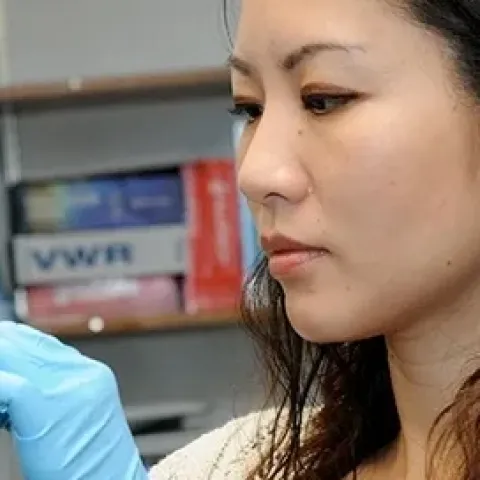
Professor Joanna Chiu in her UC Davis lab in 2010. (Photo by Kathy Keatley Garvey)

Not the Only Champion at Home!

March 26, 2026
By Kathy Keatley Garvey
 When the exciting news broke today that molecular geneticist and physiologist Joanna Chiu, professor and chair of the UC Davis Department of Entomology and Nematology and a professor in the Department of Neurobiology, Physiology, and Behavior, is a newly elected Fellow of the American Association…
View Article
UCCE in Santa Barbara County: Page

Community & Youth

4-H Youth Development The 4-H Youth Development Program is the nonformal, or experiential, educational youth program, conducted by the University of California Cooperative Extension. The purpose of 4-H Youth Development is to help diverse young people discover and develop their potential and grow into…
View Page
Event Primary Image
master gardener trainees
UC Master Gardeners of Fresno County: Event

How to Become a Master Gardener

Event Date
May 2, 2026

  Thinking about taking your love of gardening to the next level?  Come meet Fresno Master Gardeners and find out more about our program. We offer extensive training and provide a variety of volunteer opportunities. Applications for the next training class will be available in May. We'd love to…
UC Master Gardeners of Fresno County
View Event
Primary Image
Whiteflies on green background
Fresno Gardening Green: Article

Ugh! What are those clouds of white flying insects in my garden?

March 26, 2026
Small flying insects on and around your citrus, tomato, crepe myrtle, roses, squash, etc., are most likely whiteflies.In addition to clouds of the mature flies, you may also see:Deposits of white wax (with certain species).Tiny nymphs, the immature stage, which are oval, legless and immobile, and can range…
View Article
Primary Image
Bird with worm on lawn
Fresno Gardening Green: Article

This week in the garden: March 27 - April 2

March 26, 2026
Late March or early April is the end of the spring planting season; roots need to become established before the summer heat.TasksWatch for powdery mildew on susceptible plants. Rotate the fungicide used since the fungus may develop resistance.If citrus has scale, mites or thrips, spray with summer-weight…
View Article