A Natural Solution for California's Herds: African Catfish Peptides

California's cattle producers and agricultural communities are all too familiar with the rising challenge of antibiotic resistance, making common bacterial infections harder to treat in livestock. But imagine a future where we could tackle these infections with a natural, powerful alternative. Our research points to just that: antimicrobial peptides (AMPs) found in African catfish.

We're really excited about these peptides because African catfish thrive in pathogen-rich freshwater, naturally producing these robust immune compounds in their skin mucus as a defense. This natural origin makes them highly appealing alternatives to synthetic drugs.

Predicted Safety and Potent Action

One of the most compelling aspects of these AMPs is their predicted safety for mammals. Our initial computer analyses suggest that various catfish AMPs are generally recognized as safe (GRAS). We predict they'll be absorbed in the human intestine without causing liver, brain, or heart toxicity. Furthermore, lab tests on a promising peptide, NACAP-II, confirmed it was non-hemolytic, meaning it didn't damage rabbit red blood cells—a strong indicator of its potential safety for mammalian cells.

Beyond safety, these peptides demonstrate effectiveness against problematic bacteria. One study revealed NACAP-II's strong activity against Extended-Spectrum Beta-Lactamase (ESBL)-producing Escherichia coli—a critical concern for both animal and human health due to its resistance to many common antibiotics. Another peptide, ACAP-IV, also showed antibacterial activity against E. coli and Staphylococcus aureus. We believe these AMPs work by directly disrupting bacterial cell membranes, a mechanism that makes it harder for bacteria to develop resistance compared to how they resist traditional antibiotics.

Primary Image
Girl showing a rabbit to a group of young children.
UCCE Central Sierra: Page

Central Sierra 4-H Youth Development

Each county in the UCCE Central Sierra Multi-County Partnership (MCP) offers a variety of youth development experiences. To find out what is going on in your 4-H community, locate your county below. For information about youth and adult membership opportunities, see Joining 4-H.
View Page
Primary Image
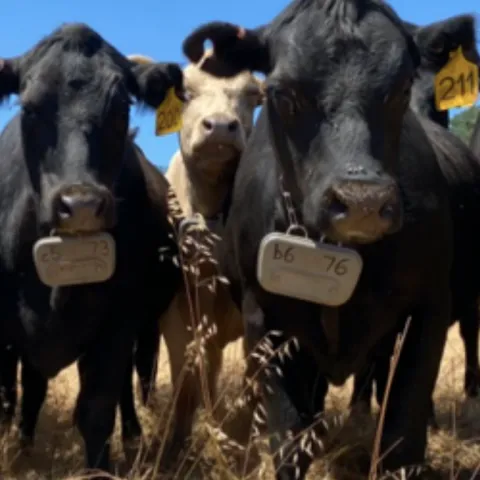
Black angus cattle with transmitter collars for e-fencing.
UCCE Central Sierra: Page

Central Sierra: Livestock

Across California, the University of Californias Cooperative Extension offices are problem-solving centersthe bridge between local issues and the power of UC research. Our county-based staff is part of the community; we live and work in the areas we serve.
View Page
UCCE Central Sierra: Page

Central Sierra: Natural Resources

Our Natural Resource Program provides forestry, wildlife, rangeland, watershed management and other natural resource related information to a wide variety of county residents and visitors.
View Page
UCCE Central Sierra: Page

Orchard Crops

The Central Sierra foothills is full of many different micro-climates as well as elevations, which lends to the many different varieties of orchard crops grown throughout the region. Please click on a menu option at the left for further information.
View Page
UCCE Central Sierra: Page

Central Sierra: Internet Resources

See the list of resources on our menu to the left. Note: Some publications are saved as pdf documents. You will need Adobe Acrobat to view them.
View Page
UCCE Central Sierra: Page

Central Sierra: Calendar

UC Central Sierra programming includes virtual and on-line training as well as in-person classes and workshops in Amador, Calaveras, El Dorado, and Tuolumne Counties.
View Page
UCCE Central Sierra: Page

Central Sierra: Contact Us

UC Central Sierra multi-county partnership includes staff and advisors in Amador, Calaveras, El Dorado-including South Lake Tahoe, and Tuolumne Counties. Our programs include 4-H, CalFresh Healthy Living, Farm Advisors (Agriculture, Integrated Pest Management, Livestock, Natural Resources), Forestry, Fire,…
View Page
UCCE Central Sierra: Page

History of UCCE

In 1891, the University of California Board of Regents instituted short courses and used demonstration trainings to extend the Universitys teaching over the entire state. In 1897 the Department of Extension in Agriculture was created that later became the Division of Agricultural Extension in 1913.
View Page
UCCE Central Sierra: Page

Central Sierra: About Us

Stretching from the foothills above the Sacramento Valley through rugged mountains to Lake Tahoe, south through the wine country of the foothills of Amador and Calaveras Counties to the edges of Tuolumne County, the "Golden Counties" of California have a terrain as diverse as their population.
View Page
UCCE Central Sierra: Page

Central Sierra: Directions

Open Monday - Friday 8am - 5pm 12200-B Airport Road Jackson 209-223-6482 Get DirectionsOpen Monday - Wednesday, 8 am - 4:30 pm 423 E.
View Page