A Natural Solution for California's Herds: African Catfish Peptides

California's cattle producers and agricultural communities are all too familiar with the rising challenge of antibiotic resistance, making common bacterial infections harder to treat in livestock. But imagine a future where we could tackle these infections with a natural, powerful alternative. Our research points to just that: antimicrobial peptides (AMPs) found in African catfish.

We're really excited about these peptides because African catfish thrive in pathogen-rich freshwater, naturally producing these robust immune compounds in their skin mucus as a defense. This natural origin makes them highly appealing alternatives to synthetic drugs.

Predicted Safety and Potent Action

One of the most compelling aspects of these AMPs is their predicted safety for mammals. Our initial computer analyses suggest that various catfish AMPs are generally recognized as safe (GRAS). We predict they'll be absorbed in the human intestine without causing liver, brain, or heart toxicity. Furthermore, lab tests on a promising peptide, NACAP-II, confirmed it was non-hemolytic, meaning it didn't damage rabbit red blood cells—a strong indicator of its potential safety for mammalian cells.

Beyond safety, these peptides demonstrate effectiveness against problematic bacteria. One study revealed NACAP-II's strong activity against Extended-Spectrum Beta-Lactamase (ESBL)-producing Escherichia coli—a critical concern for both animal and human health due to its resistance to many common antibiotics. Another peptide, ACAP-IV, also showed antibacterial activity against E. coli and Staphylococcus aureus. We believe these AMPs work by directly disrupting bacterial cell membranes, a mechanism that makes it harder for bacteria to develop resistance compared to how they resist traditional antibiotics.
Primary Image
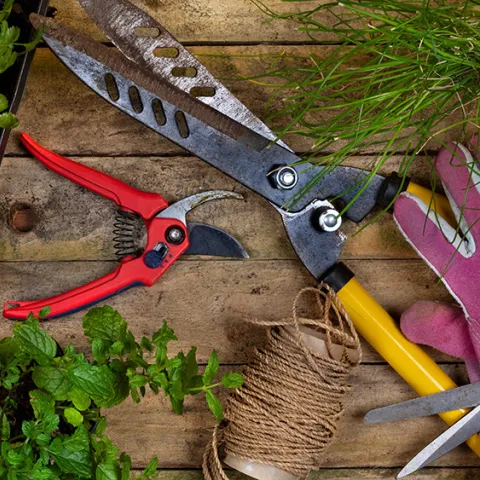
gardening tools
UC Marin Master Gardeners: Page

December

Winter is a good time to clean and sharpen tools. Photo: Piqsels Maintenance and prevention Clean up the garden to avoid over-wintering diseases. Cover open compost bins with a tarp when the rains begin. Protect frost-sensitive garden plants such as succulents.
View Page
UC Marin Master Gardeners: Page

Conserving Water

The most water conserving edibles are winter/spring crops that take advantage of rain and crops with the shortest days to maturity. Photo: PlantMaster Water is a precious resource whether it's being used in the edible garden or elsewhere.
View Page
Primary Image
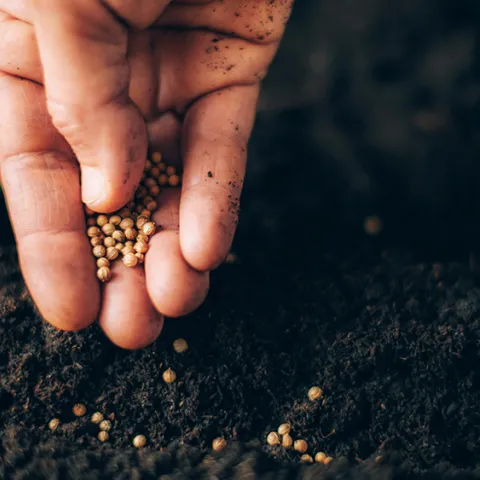
hand sowing seeds
UC Marin Master Gardeners: Page

Cover Crops & Soil Enhancement

Mustard is a beautiful cover crop that suppress some harmful soil-dwelling nematodes. Photo: Courtesy of UC Regents Putting the garden to rest Thanks to Marin's mild winter weather, home gardeners can grow vegetables year-round.
View Page
Primary Image
california natives
UC Marin Master Gardeners: Page

Native Plants

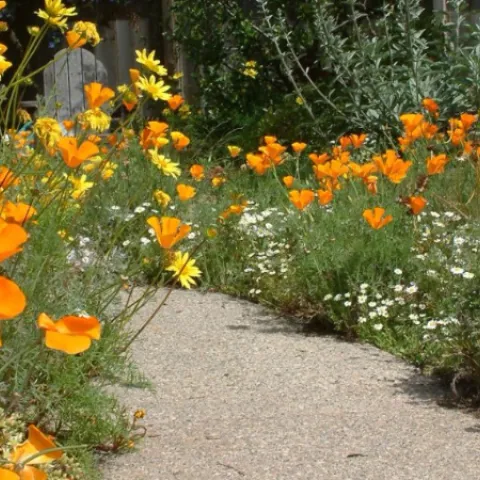
When transplanting natives, dig hole the same depth and twice as wide as the pot. Metropolitan Water District of Southern California When planting natives, it is important to fully soak the soil before planting. The hole should be the same depth as the pot and twice as wide.
View Page
Primary Image
Banner EDG
UC Marin Master Gardeners: Page

Edible Demo Garden News

BACK TO ASK US EDIBLE DEMO GARDEN Click here for information on how to grow EDIBLES...
View Page
Primary Image
layering
UC Marin Master Gardeners: Page

Layering

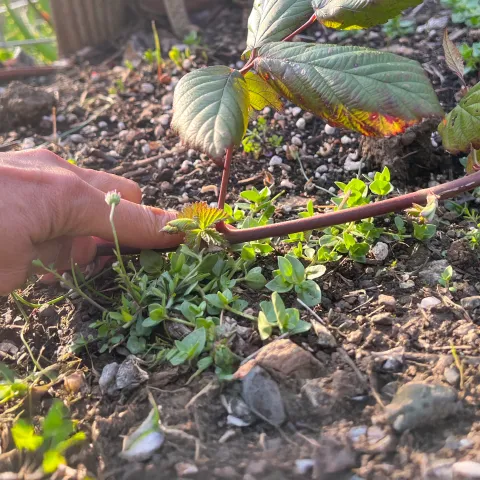
With layering, stems are induced to produce "adventitious" roots while they remain attached to the parent plant. Adventitious roots are those produced in an unusual time or position. Blackberries are great candidates for tip layering.
View Page
Primary Image
succulents
UC Marin Master Gardeners: Page

Planting Succulents

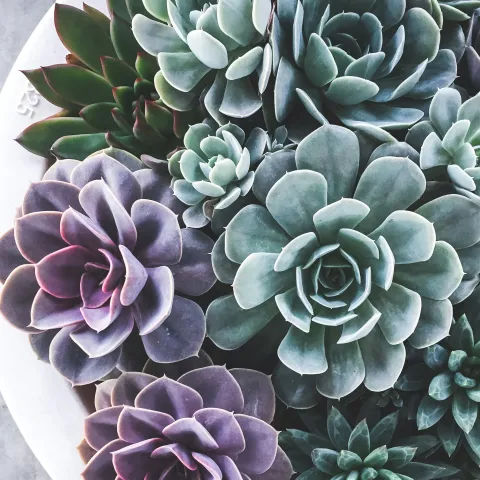
Visit Falkirk Demonstration Garden in San Rafael to see a wonderful display of succulents that thrive in Marin. Succulents, those gorgeous plants with thick, fleshy stems and leaves that collect and store water, can be grown in the ground or in containers.
View Page
UC Marin Master Gardeners: Page

Printable Tips

Print it: quick reference page to post at home Print and post this flyer where it's easily accessible. It features at-a-glance Fire-smart tips you can use throughout the year to increase the safety of your landscape and home. To print, click on the images.
View Page
Primary Image
succulent
UC Marin Master Gardeners: Page

Succulents & Low Water

Meet the spectacular succulents and other low-water plants at the Falkirk Demonstration Garden in San Rafael. L Stiles Every summer is dry in Marin and drought is an undeniable reality. In response, many gardeners make it a goal to conserve water wherever possible.
View Page