A Natural Solution for California's Herds: African Catfish Peptides

California's cattle producers and agricultural communities are all too familiar with the rising challenge of antibiotic resistance, making common bacterial infections harder to treat in livestock. But imagine a future where we could tackle these infections with a natural, powerful alternative. Our research points to just that: antimicrobial peptides (AMPs) found in African catfish.

We're really excited about these peptides because African catfish thrive in pathogen-rich freshwater, naturally producing these robust immune compounds in their skin mucus as a defense. This natural origin makes them highly appealing alternatives to synthetic drugs.

Predicted Safety and Potent Action

One of the most compelling aspects of these AMPs is their predicted safety for mammals. Our initial computer analyses suggest that various catfish AMPs are generally recognized as safe (GRAS). We predict they'll be absorbed in the human intestine without causing liver, brain, or heart toxicity. Furthermore, lab tests on a promising peptide, NACAP-II, confirmed it was non-hemolytic, meaning it didn't damage rabbit red blood cells—a strong indicator of its potential safety for mammalian cells.

Beyond safety, these peptides demonstrate effectiveness against problematic bacteria. One study revealed NACAP-II's strong activity against Extended-Spectrum Beta-Lactamase (ESBL)-producing Escherichia coli—a critical concern for both animal and human health due to its resistance to many common antibiotics. Another peptide, ACAP-IV, also showed antibacterial activity against E. coli and Staphylococcus aureus. We believe these AMPs work by directly disrupting bacterial cell membranes, a mechanism that makes it harder for bacteria to develop resistance compared to how they resist traditional antibiotics.
Primary Image
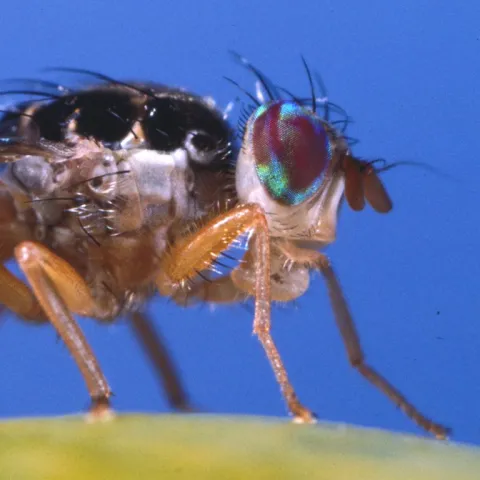
Fruit Fly
UC Master Gardener Program Statewide Blog: Article

How Californians Can Unite to Combat the Invasive Fruit Fly Threat

January 29, 2025
By Cherie Shook
Imagine a California without fresh fruits, juicy oranges, crisp apples, or homegrown avocados; a future no one would want, and one we must work together to avoid. New threats to California's agriculture and backyard gardens have emerged, the Mediterranean fruit fly and the Oriental fruit fly.
View Article
Article

Trump administration rescinds memo on freezing federal funds

January 29, 2025
By Pamela S Kan-Rice
Colleagues: As you may have seen in this morning's news, the Trump administration has rescinded the memo freezing federal funds. However, the White House has stated that it has not rescinded its pause on foreign aid; diversity, equity and inclusion (DEI) programs; and some clean energy funding.
View Article
Primary Image
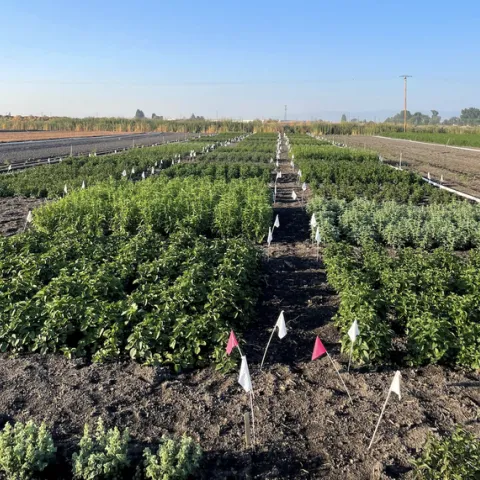
The Intermountain Research and Extension Center 2023 mint breeding block. Photo by Darrin Culp

Intermountain REC research proposals due March 21

January 29, 2025
By Pamela S Kan-Rice
The Intermountain Research and Extension Center is soliciting proposals from researchers for new and continuing research projects in 2025-26. IREC is a 140-acre research facility located at 4,000 feet elevation near the Oregon border.
View Article
Primary Image
Swelam looks out to dozens of people seated at tables at West Side REC.

UC ANR leaders meet with growers at Kearney, West Side RECs

January 29, 2025
By Pamela S Kan-Rice
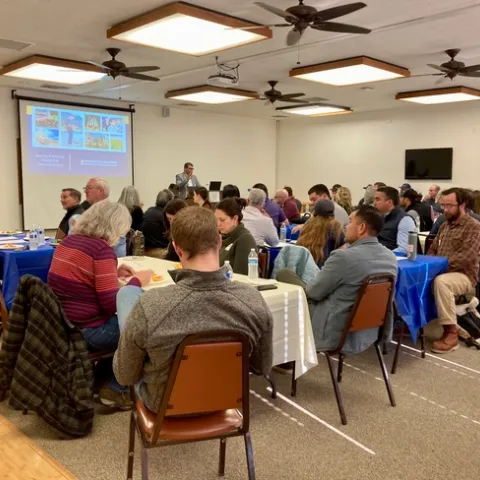
Growers and other San Joaquin Valley residents were invited to meet with UC ANR leadership and learn about the latest research at Kearney Agricultural Research and Extension Center in Parlier and West Side REC in Five Points on Jan. 9.
View Article
Primary Image
Para Lupita Quintero uno de sus grandes orgullos son sus flores, mismas que comenzó a cultivar hace cinco años y que actualmente vende en los mercados de agricultores locales. "En las flores va nuestra tierra, nuestras raíces".
Noticias: Article

UC ANR, sembrando innovación y compromiso social en EcoFarm 2025

January 29, 2025
By Diana Cervantes
Dejar atrs su amado Mxico fue una de las decisiones ms difciles que Lupita Quintero tuvo que tomar al mudarse a Watsonville, California. La nostalgia por su tierra natal la acompa durante aos, como un hilo invisible que la conectaba con sus races.
View Article
Primary Image
bee hotel

Creating Native Bee Nests

January 29, 2025
By Ben A Faber
Checking in at bee hotels: trap-nesting occupancy and fitness of cavity-nesting bees in an urbanised biodiversity hotspot Kit S. Prendergast The design of bee hotels is critical - untreated wood, holes a range of diameters (I suggest 3-10 mm), lengths min 10 cm.
View Article