A Natural Solution for California's Herds: African Catfish Peptides

California's cattle producers and agricultural communities are all too familiar with the rising challenge of antibiotic resistance, making common bacterial infections harder to treat in livestock. But imagine a future where we could tackle these infections with a natural, powerful alternative. Our research points to just that: antimicrobial peptides (AMPs) found in African catfish.

We're really excited about these peptides because African catfish thrive in pathogen-rich freshwater, naturally producing these robust immune compounds in their skin mucus as a defense. This natural origin makes them highly appealing alternatives to synthetic drugs.

Predicted Safety and Potent Action

One of the most compelling aspects of these AMPs is their predicted safety for mammals. Our initial computer analyses suggest that various catfish AMPs are generally recognized as safe (GRAS). We predict they'll be absorbed in the human intestine without causing liver, brain, or heart toxicity. Furthermore, lab tests on a promising peptide, NACAP-II, confirmed it was non-hemolytic, meaning it didn't damage rabbit red blood cells—a strong indicator of its potential safety for mammalian cells.

Beyond safety, these peptides demonstrate effectiveness against problematic bacteria. One study revealed NACAP-II's strong activity against Extended-Spectrum Beta-Lactamase (ESBL)-producing Escherichia coli—a critical concern for both animal and human health due to its resistance to many common antibiotics. Another peptide, ACAP-IV, also showed antibacterial activity against E. coli and Staphylococcus aureus. We believe these AMPs work by directly disrupting bacterial cell membranes, a mechanism that makes it harder for bacteria to develop resistance compared to how they resist traditional antibiotics.
Primary Image
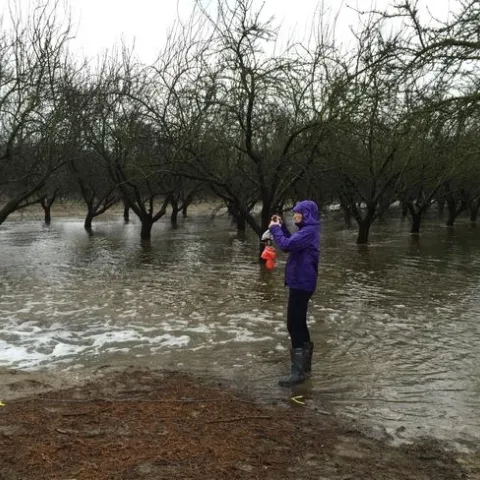
Helen Dahlke studies groundwater recharge in a flooded almond orchard.
Green Blog: Article

Floods, droughts, then fires: Hydroclimate whiplash is speeding up globally

January 9, 2025
By Pamela S Kan-Rice
Key takeaways Hydroclimate whiplash rapid swings between intensely wet and dangerously dry weather has already increased globally due to climate change, with further large increases expected as warming continues, according to a team of researchers led by UC ANR's Daniel Swain.
View Article
Primary Image
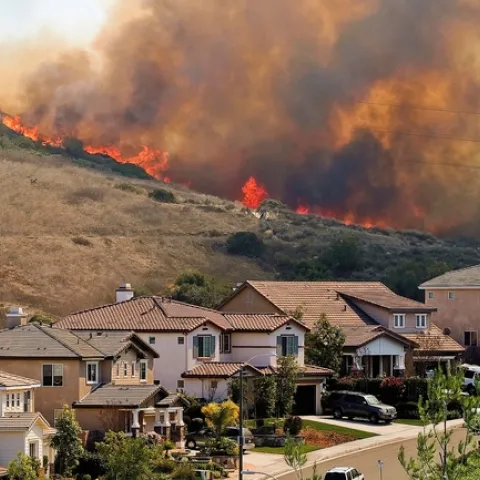
Flames and smoke line a hillside behind a street of houses.

UC wildfire expert: Lack of rain ‘primary factor’ in L.A. fires

January 8, 2025
By Pamela S Kan-Rice
Jan. 8 statement about wildfires in Southern California by Max Moritz, University of California Cooperative Extension statewide wildfire specialist based in Santa Barbara Santa Ana winds can be expected at this time of year, but this episode seems unusually strong.
View Article
Primary Image
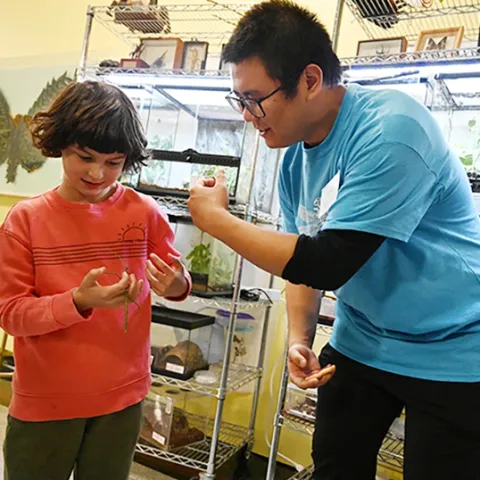
UC Davis entomology major Kaitai Liu chats with budding entomologist Eden Jett of Berkeley as she holds a walking stick. (Photo by Kathy Keatley Garvey)
Bug Squad: Article

Bohart Museum Welcomes You to Next Open House

January 8, 2025
By Kathy Keatley Garvey
You can meet the scientists, examine the collections, look through microscopes, hold walking sticks, and participate in a family arts-and-crafts activity. Those are some of the activities planned at the Bohart Museum of Entomology open house on Saturday, Jan. 11 from 1 to 4 p.m.
View Article
Article

Coming Jan. 13: Changes to UC ANR SSO login

January 8, 2025
By Michael Hsu
To comply with UC-wide policy to protect UC ANR and its employees' data, IT is taking steps to strengthen security for logins. The following changes to the Duo authentication process will go into effect on Jan. 13, 2025. Please ensure you are using: Duo Mobile 4.16.
View Article
Primary Image
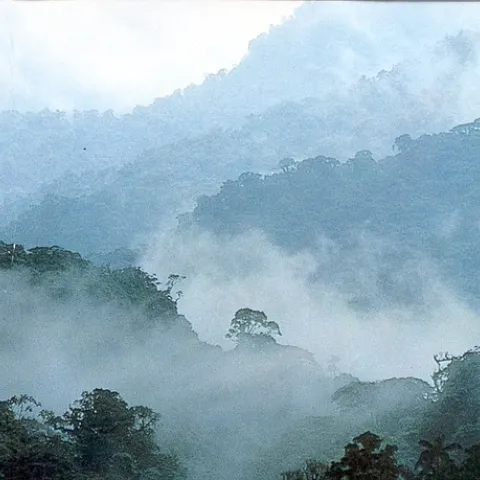
cloud forest costa rica
Topics in Subtropics: Article

Avocado Leaves Last and Last

January 8, 2025
By Ben A Faber
Avocados come from a wet environment. The Guatemalan and Mexican races come from cloud forest environments that are dripping much of the year from if not rain, a high humidity that creates a cloud-like condition.
View Article
Primary Image
Website

WeedCUT (Weed Control User Tool) expands!

January 8, 2025
By Thomas J Getts
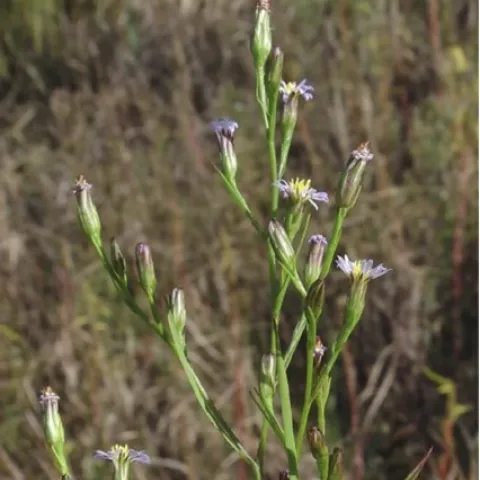
Back in 2021 the California Invasive Plant Council (CAL IPC) and UC IPM launched the online decision support tool WeedCUT for wildland weed mangers to help assist making management decisions for wildland weeds.
View Article
Primary Image
Screenshot 2025-01-05 at 8.53.50?PM
UC Rice Blog: Article

Weed Updates 2024

January 8, 2025
By Whitney B Brim-Deforest, Taiyu Guan
General review of the year: Walter's barnyardgrass AKA coast cockspur (Echinochloa walteri) continues to spread across the valley.
View Article
Primary Image
Five spherical shapes. There are 2 in the background are all green and have a closed slit at the top. The 3 in the front have a yellow top that is split into 2 section- one section is covered in a tan hair and the other is split into 2 pieces resembling a mouth.
The Savvy Sage: Article

Poinsettia- What a beautiful (and tiny) flower you have.

January 7, 2025
Poinsettias are a decorative winter staple thanks to their large vibrant foliage- AKA leaves. That's right, those big, colorful, floral-like clusters are actually specialized leaves called bracts' that change from green to vibrant, festive colors thanks to the shorter winter days.
View Article