A Natural Solution for California's Herds: African Catfish Peptides

California's cattle producers and agricultural communities are all too familiar with the rising challenge of antibiotic resistance, making common bacterial infections harder to treat in livestock. But imagine a future where we could tackle these infections with a natural, powerful alternative. Our research points to just that: antimicrobial peptides (AMPs) found in African catfish.

We're really excited about these peptides because African catfish thrive in pathogen-rich freshwater, naturally producing these robust immune compounds in their skin mucus as a defense. This natural origin makes them highly appealing alternatives to synthetic drugs.

Predicted Safety and Potent Action

One of the most compelling aspects of these AMPs is their predicted safety for mammals. Our initial computer analyses suggest that various catfish AMPs are generally recognized as safe (GRAS). We predict they'll be absorbed in the human intestine without causing liver, brain, or heart toxicity. Furthermore, lab tests on a promising peptide, NACAP-II, confirmed it was non-hemolytic, meaning it didn't damage rabbit red blood cells—a strong indicator of its potential safety for mammalian cells.

Beyond safety, these peptides demonstrate effectiveness against problematic bacteria. One study revealed NACAP-II's strong activity against Extended-Spectrum Beta-Lactamase (ESBL)-producing Escherichia coli—a critical concern for both animal and human health due to its resistance to many common antibiotics. Another peptide, ACAP-IV, also showed antibacterial activity against E. coli and Staphylococcus aureus. We believe these AMPs work by directly disrupting bacterial cell membranes, a mechanism that makes it harder for bacteria to develop resistance compared to how they resist traditional antibiotics.

Primary Image
dairy-compost.kozak-pack-e1446046056498
Climate Smart Agriculture: Article

What's that Smell?!

September 30, 2024
By Michael Jaquez
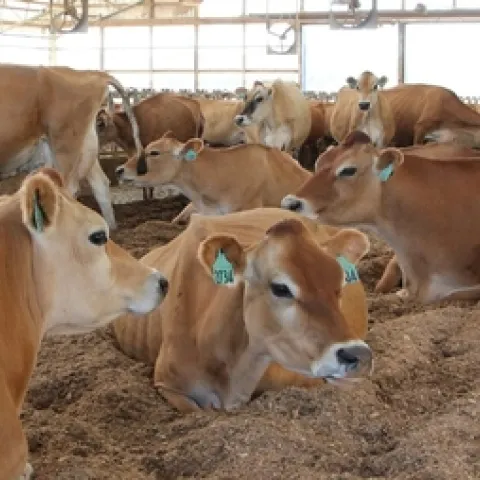
When it comes to animal housing, manure management requires thought and consideration. Much of this decision depends on the size of the operation, species of animal, and the overall goals of your farming practices.
View Article
Primary Image
Monica Palta
ANR Employee News: Article

Names in the News

September 30, 2024
By Pamela S Kan-Rice
Palta named first UCCE specialist based at UC Irvine Monica Palta joined UC ANR on Sept. 1 as a UC Cooperative Extension specialist in urban water quality, health and justice. She is the first UCCE specialist to be based at UC Irvine.
View Article
Primary Image
Show ’N’ Tell” dahlia photo by author

Finding an English Garden in Northern California

September 29, 2024
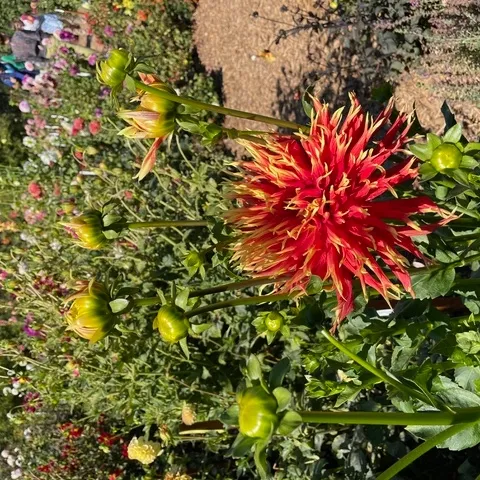
I've been eager to satisfy my appetite for English gardens since visiting the Cotswolds region earlier this year. Fortunately, one doesn't need to travel to the U.K. to experience such a place. We have a great example in Northern California.
View Article
Primary Image
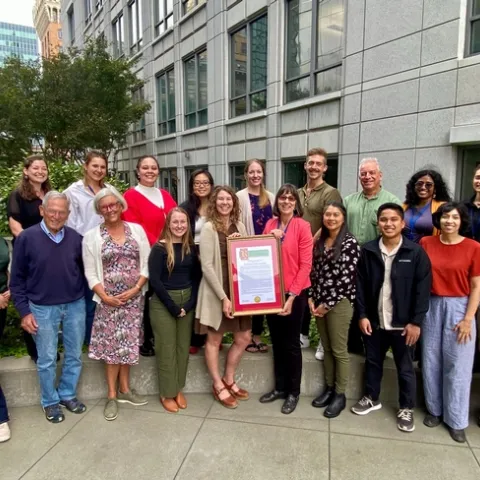
Nineteen members of the Nutrition Policy Institute flank the framed resolution in the roof garden of UC Office of the President in Oakland.
ANR Employee News: Article

Celebration Corner

September 29, 2024
By Pamela S Kan-Rice
Niederholzer named Certified Crop Adviser of the Year in Western Region Western Region Certified Crop Advisers named Franz Niederholzer, a UC Cooperative Extension orchard systems advisor, their 2024 Western Region Certified Crop Adviser of the Year.
View Article
Primary Image
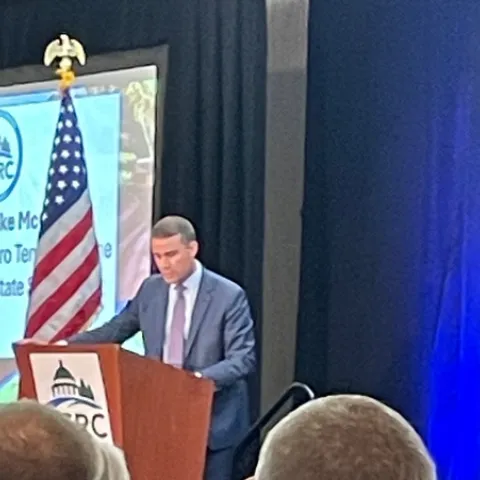
McGuire stands at a lecturn beside an American flag, speaking into a mic.
ANR Employee News: Article

RCRC highlights rural community issues

September 27, 2024
By Pamela S Kan-Rice
UC ANR participated in the Rural County Representatives of California's Annual Meeting Sept. 18-20 at the Doubletree by Hilton - Sonoma Wine Country. The event featured experts sharing their knowledge about issues important to rural communities.
View Article