A Natural Solution for California's Herds: African Catfish Peptides

California's cattle producers and agricultural communities are all too familiar with the rising challenge of antibiotic resistance, making common bacterial infections harder to treat in livestock. But imagine a future where we could tackle these infections with a natural, powerful alternative. Our research points to just that: antimicrobial peptides (AMPs) found in African catfish.

We're really excited about these peptides because African catfish thrive in pathogen-rich freshwater, naturally producing these robust immune compounds in their skin mucus as a defense. This natural origin makes them highly appealing alternatives to synthetic drugs.

Predicted Safety and Potent Action

One of the most compelling aspects of these AMPs is their predicted safety for mammals. Our initial computer analyses suggest that various catfish AMPs are generally recognized as safe (GRAS). We predict they'll be absorbed in the human intestine without causing liver, brain, or heart toxicity. Furthermore, lab tests on a promising peptide, NACAP-II, confirmed it was non-hemolytic, meaning it didn't damage rabbit red blood cells—a strong indicator of its potential safety for mammalian cells.

Beyond safety, these peptides demonstrate effectiveness against problematic bacteria. One study revealed NACAP-II's strong activity against Extended-Spectrum Beta-Lactamase (ESBL)-producing Escherichia coli—a critical concern for both animal and human health due to its resistance to many common antibiotics. Another peptide, ACAP-IV, also showed antibacterial activity against E. coli and Staphylococcus aureus. We believe these AMPs work by directly disrupting bacterial cell membranes, a mechanism that makes it harder for bacteria to develop resistance compared to how they resist traditional antibiotics.

Primary Image
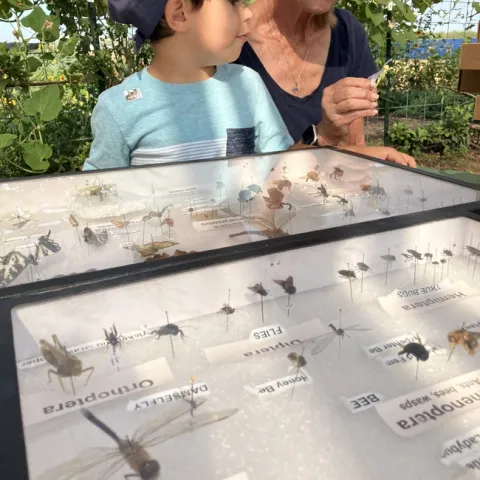
A grandmother and grandson examine a collection of bugs.
The Stanislaus Sprout: Article

Get Buggy! Make a Bug Collection with Entomologists.

September 26, 2024
By Anne E Schellman
Looking for something fun to do on Oct 5? Take our Get Buggy Class! This class is for anyone with a fascination for all things bug related, so ages 3-99 are welcome. Meet two real-life entomologists that studied bugs in school and now work with them for their job.
View Article
Primary Image
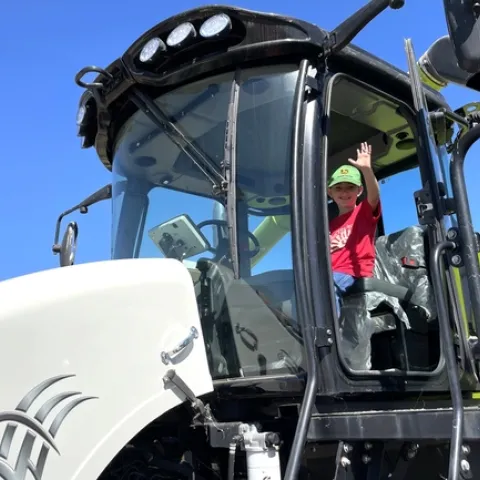
A boy sits in the cab of a harvester
Food Blog: Article

Butte County first graders enjoy ‘ricetastic’ day at local farm

September 26, 2024
By Michael Hsu
When Tracy Schohr volunteered in her son's pre-K class a couple years ago, she was stunned to find out that only two of the 20 children had ever been around a tractor. And this was in the rural Butte County community of Gridley, in the heart of California's rice-growing region.
View Article
Primary Image
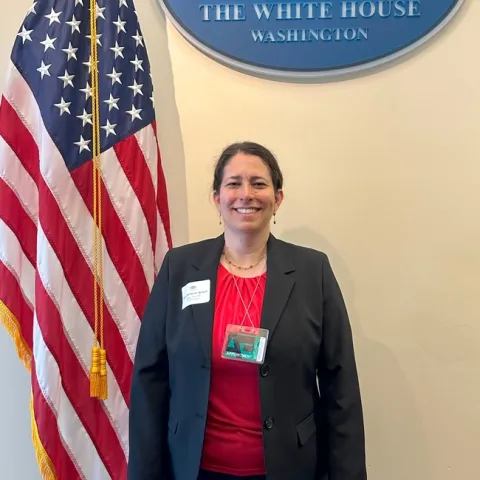
Ruth Dahlquist-Willard standing next to the American flag under a blue sign that reads "The White House, Washington."
Green Blog: Article

White House Summit explores impact of extreme heat, ways to adapt

September 26, 2024
By Kristen Farrar
UC ANR Small Farms Network supports small-scale and underserved farmers impacted by extreme heat Ruth Dahlquist-Willard, interim director for the UC Sustainable Agriculture Research and Education Program, joined more than 100 participants from across the country at the first-ever White House Summit...
View Article
Primary Image
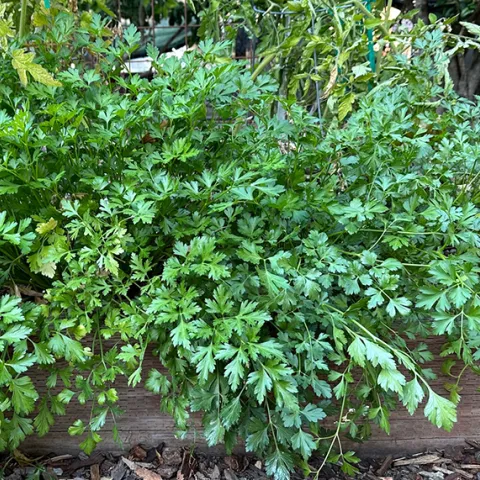
Italian parsley is a popular biennial herb that grows well in sunny, moist garden conditions.
UC Marin Master Gardeners: Article

October 2024: Herbs Among the Edibles

September 25, 2024
Herbs may not be the stars in the Edible Demonstration Garden, but they are notable members of the supporting cast. Its hard to imagine a flourishing vegetable garden without a few culinary herbs as companions.
View Article
Primary Image
Going Native Fig 1
Garden Notes: Article

Going Native – A History

September 25, 2024
There are lots of reasons to include native plants in your garden. But do you know when the native plant movement began in California and why the use of native plants is so important? Theodore Payne (1872-1963) is generally considered the father of the native plant movement in California. Mr.
View Article