A Natural Solution for California's Herds: African Catfish Peptides

California's cattle producers and agricultural communities are all too familiar with the rising challenge of antibiotic resistance, making common bacterial infections harder to treat in livestock. But imagine a future where we could tackle these infections with a natural, powerful alternative. Our research points to just that: antimicrobial peptides (AMPs) found in African catfish.

We're really excited about these peptides because African catfish thrive in pathogen-rich freshwater, naturally producing these robust immune compounds in their skin mucus as a defense. This natural origin makes them highly appealing alternatives to synthetic drugs.

Predicted Safety and Potent Action

One of the most compelling aspects of these AMPs is their predicted safety for mammals. Our initial computer analyses suggest that various catfish AMPs are generally recognized as safe (GRAS). We predict they'll be absorbed in the human intestine without causing liver, brain, or heart toxicity. Furthermore, lab tests on a promising peptide, NACAP-II, confirmed it was non-hemolytic, meaning it didn't damage rabbit red blood cells—a strong indicator of its potential safety for mammalian cells.

Beyond safety, these peptides demonstrate effectiveness against problematic bacteria. One study revealed NACAP-II's strong activity against Extended-Spectrum Beta-Lactamase (ESBL)-producing Escherichia coli—a critical concern for both animal and human health due to its resistance to many common antibiotics. Another peptide, ACAP-IV, also showed antibacterial activity against E. coli and Staphylococcus aureus. We believe these AMPs work by directly disrupting bacterial cell membranes, a mechanism that makes it harder for bacteria to develop resistance compared to how they resist traditional antibiotics.
Primary Image
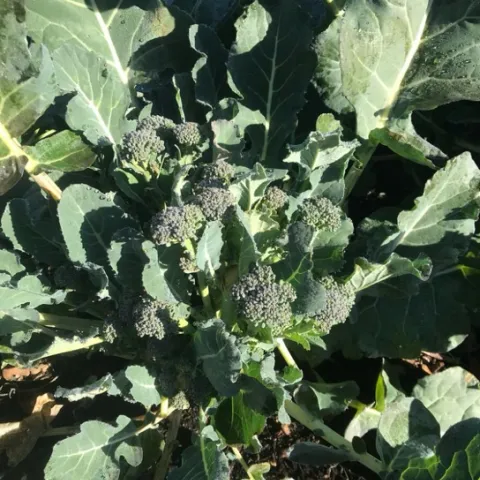
Plant something else - broccoli. Photo courtesy of Greg Letts.
UC Master Gardener Program of Contra Costa County: Article

Prepping Vegetable Beds for Winter

September 26, 2024
by Greg Letts So, you have harvested the last of your tomatoes and peppers for the year. Now what? Lets start with dispelling the myth that your veggie beds need to rest. Your vegetable beds don't need to rest during the off-season. In fact, it's much better for your soil to stay active.
View Article
Primary Image
Photo courtesy of Anne Sutherland.
UC Master Gardener Program of Contra Costa County: Article

Introducing a New Contra Costa Master Gardener Project

September 26, 2024
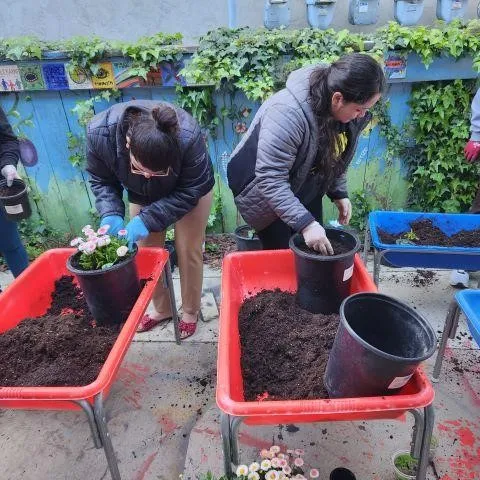
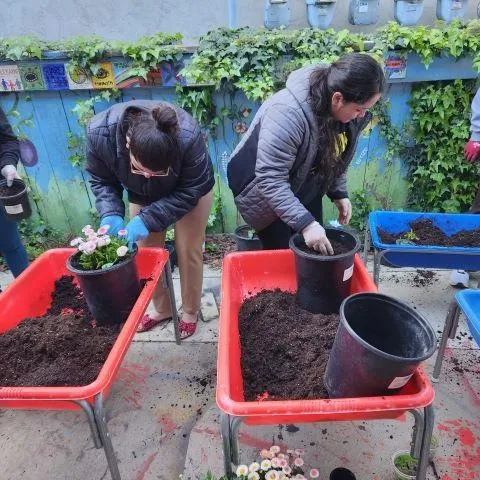
by Anne Sutherland In our big, vibrant county, Spanish is spoken in nearly 30% of households. As most of you know, English is typically spoken at our talks, Farmers Market tables, and in our videos...
View Article
Primary Image
Jardineros-4
UC Master Gardener Program of Contra Costa County: Article

Presentamos un nuevo proyecto de Jardineros Maestros de Contra Costa

September 26, 2024
by Anne Sutherland Varios de nosotros enseamos clases prcticas y apoyamos jardines en programas escolares y comunitarios y en eventos especiales en todo el condado. Recientemente tuvimos un puesto en la Plaza Todos Santos en Concord para el Festival Latino, celebrando el Mes Hispano.
View Article
Primary Image
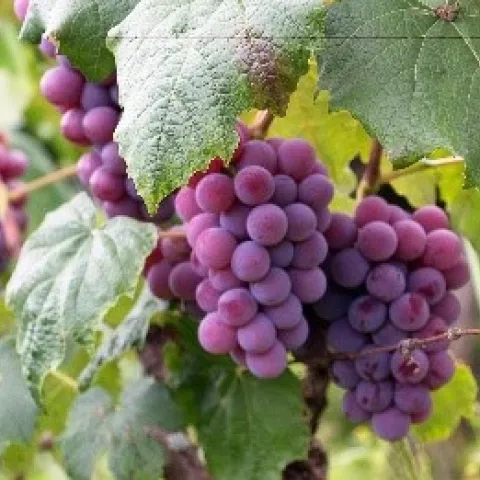
Fall grapes.
UC Master Gardener Program of Contra Costa County: Article

Wrapping up 2024 with a big Thank You to our Readers

September 26, 2024
Wed like to express our heartfelt gratitude for your continued interest in our program. Your passion for expanding your knowledge in horticulture, pest management, and sustainable landscaping practices inspires us every day.
View Article
Primary Image
photos by Cindy Yee

A Feast for the Senses: An Artist’s Garden in Victoria

September 26, 2024
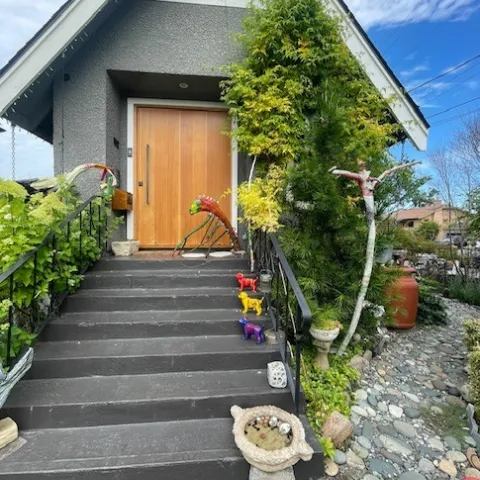
We spent a most enjoyable week in Victoria, British Columbia this July. Our Airbnb was an old converted church called The Fernwood Church, owned by a French-born artist. There are articles online regarding its restoration. Upon arrival, I was immediately captivated by the eclectic garden.
View Article