A Natural Solution for California's Herds: African Catfish Peptides

California's cattle producers and agricultural communities are all too familiar with the rising challenge of antibiotic resistance, making common bacterial infections harder to treat in livestock. But imagine a future where we could tackle these infections with a natural, powerful alternative. Our research points to just that: antimicrobial peptides (AMPs) found in African catfish.

We're really excited about these peptides because African catfish thrive in pathogen-rich freshwater, naturally producing these robust immune compounds in their skin mucus as a defense. This natural origin makes them highly appealing alternatives to synthetic drugs.

Predicted Safety and Potent Action

One of the most compelling aspects of these AMPs is their predicted safety for mammals. Our initial computer analyses suggest that various catfish AMPs are generally recognized as safe (GRAS). We predict they'll be absorbed in the human intestine without causing liver, brain, or heart toxicity. Furthermore, lab tests on a promising peptide, NACAP-II, confirmed it was non-hemolytic, meaning it didn't damage rabbit red blood cells—a strong indicator of its potential safety for mammalian cells.

Beyond safety, these peptides demonstrate effectiveness against problematic bacteria. One study revealed NACAP-II's strong activity against Extended-Spectrum Beta-Lactamase (ESBL)-producing Escherichia coli—a critical concern for both animal and human health due to its resistance to many common antibiotics. Another peptide, ACAP-IV, also showed antibacterial activity against E. coli and Staphylococcus aureus. We believe these AMPs work by directly disrupting bacterial cell membranes, a mechanism that makes it harder for bacteria to develop resistance compared to how they resist traditional antibiotics.
Primary Image
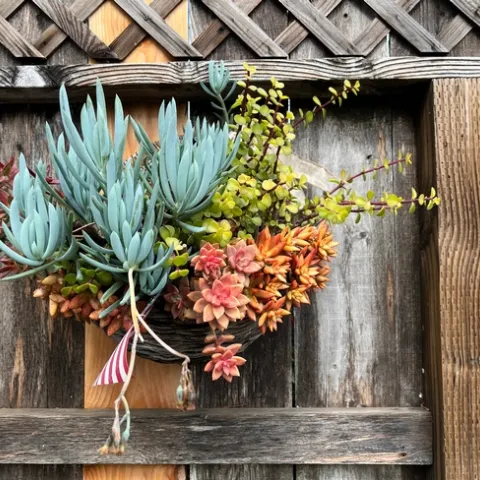
Wooden basket with succulents hanging on a fence.
The Stanislaus Sprout: Article

Gardening with Succulents Workshop - May 4, 2024

April 13, 2024
By Anne E Schellman
Our Gardening with Succulents Workshop is back! Sign up for our Saturday, May 4th class just in time to make the perfect gift for Mother's Day (Saturday, May 11, 2024).
View Article
Primary Image
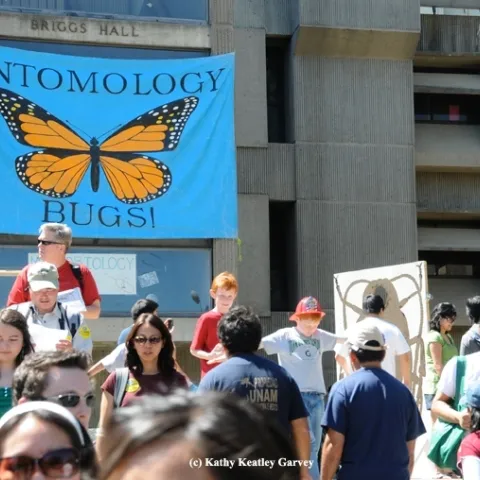
Stick insects, aka walking sticks, will be part of the Bohart Museum of Entomology's petting zoo in a pop-up tent at Briggs Hall during the UC Davis Picnic Day. The Bohart Museum headquarters in the Academic Surge Building will be closed on Picnic Day. The pop-up tent will showcase butterflies, bees and other specimens. (Photo by Kathy Keatley Garvey)
Bug Squad: Article

What's a Picnic Without Bugs?

April 12, 2024
By Kathy Keatley Garvey
What's a picnic without bugs? Well, it wouldn't be a picnic at all! The UC Davis Department of Entomology and Nematology (ENT) is planning scores of displays and activities at Briggs Hall for the 110th annual campuswide UC Davis Picnic Day, to take place Saturday, April 20.
View Article
Primary Image
Our Student Winners! From left to right: Sawyer Claussen, Robert Willmott, Jennifer Valdez Herrera, Erika Escalona, and Stephen Chang

CWSS: Student Winners and Schlorship Opportunity!

April 12, 2024
By Thomas J Getts
**** Students, it is the time of year to apply for the CWSS Student Scholarship! Awards will be given to both graduate and undergraduate students ranging from $1,000-2,000. Any students interested in Weed Science should apply! Click here to submit an application and for further instruction.
View Article
Primary Image
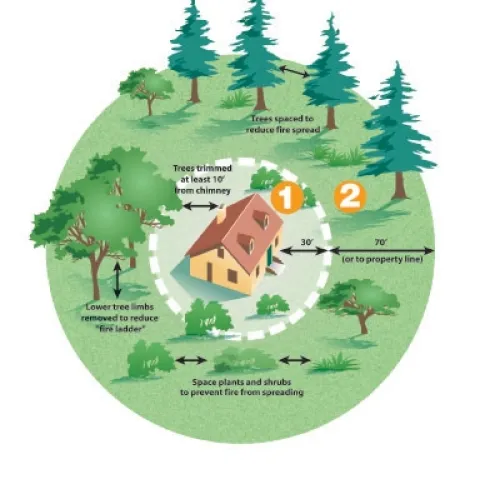
Defensible space. Cal Fire
The Real Dirt: Article

Be Firewise with Fire Resistant Landscaping

April 12, 2024
It's springtime, and many of us are adding new plants to our gardens. That means it is also a good time to review the principles of creating defensible space around our homes.
View Article
Primary Image
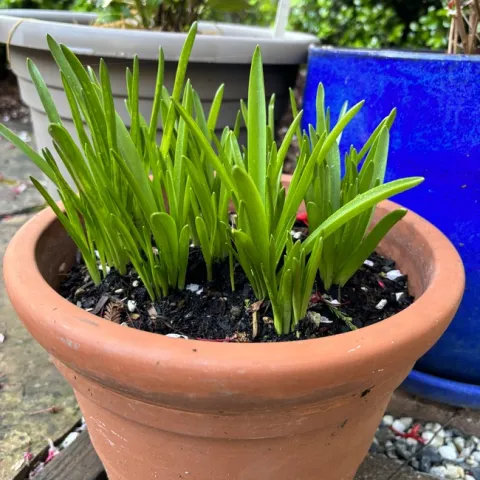
Crocus. photos by Joy Humphrey
The Savvy Sage: Article

Blooming Bulbs

April 12, 2024
I planted bulbs for the first time this year. I'm not sure why I never did this before, especially since my first Aha! moment of plant growing came from a pot of crocus bulbs I received when I was 11.
View Article