A Natural Solution for California's Herds: African Catfish Peptides

California's cattle producers and agricultural communities are all too familiar with the rising challenge of antibiotic resistance, making common bacterial infections harder to treat in livestock. But imagine a future where we could tackle these infections with a natural, powerful alternative. Our research points to just that: antimicrobial peptides (AMPs) found in African catfish.

We're really excited about these peptides because African catfish thrive in pathogen-rich freshwater, naturally producing these robust immune compounds in their skin mucus as a defense. This natural origin makes them highly appealing alternatives to synthetic drugs.

Predicted Safety and Potent Action

One of the most compelling aspects of these AMPs is their predicted safety for mammals. Our initial computer analyses suggest that various catfish AMPs are generally recognized as safe (GRAS). We predict they'll be absorbed in the human intestine without causing liver, brain, or heart toxicity. Furthermore, lab tests on a promising peptide, NACAP-II, confirmed it was non-hemolytic, meaning it didn't damage rabbit red blood cells—a strong indicator of its potential safety for mammalian cells.

Beyond safety, these peptides demonstrate effectiveness against problematic bacteria. One study revealed NACAP-II's strong activity against Extended-Spectrum Beta-Lactamase (ESBL)-producing Escherichia coli—a critical concern for both animal and human health due to its resistance to many common antibiotics. Another peptide, ACAP-IV, also showed antibacterial activity against E. coli and Staphylococcus aureus. We believe these AMPs work by directly disrupting bacterial cell membranes, a mechanism that makes it harder for bacteria to develop resistance compared to how they resist traditional antibiotics.
Primary Image
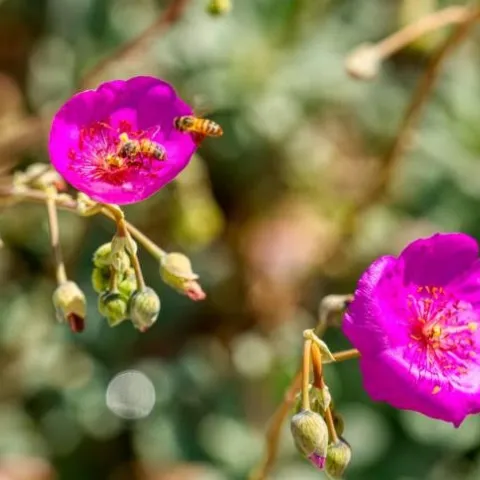
Brilliant pink flowers with show with two bees seeking nectar in the blooms.
Fresno Gardening Green: Article

April plant of the month: Calandrinia

April 11, 2024
Calandrinia (aka Cistanthe) spectabilis (Rock Purslane) Calandrinia, recently renamed Cistanthe for its Cistus-like flowers, is native to Chile and a real stand out in our hot dry summers. Gray green succulent foliage forms a clump 12 to 18 inches tall and up to 3 feet wide.
View Article
Primary Image
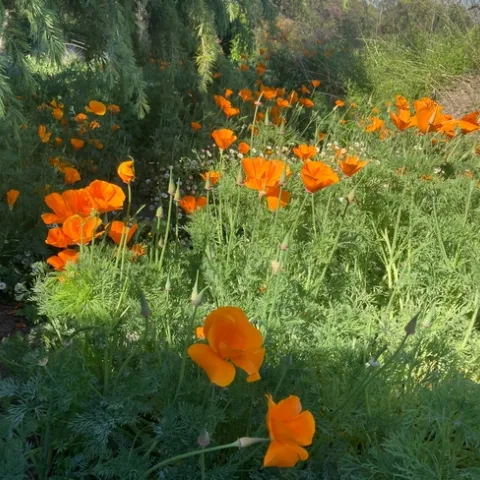
California poppies growing in sunny areas on the valley floor are now in full bloom. (Photo: Jeannette Warnert)
Fresno Gardening Green: Article

This week in the garden: April 12 - 18

April 11, 2024
Celebrate spring by giving a basket of flowers or vegetables to someone special. Tasks Pull weeds and hoe often to minimize reseeding. After mulching, check to make sure your irrigation runs are watering through the mulch to the correct rooting depth. If not, increase run times.
View Article
Primary Image
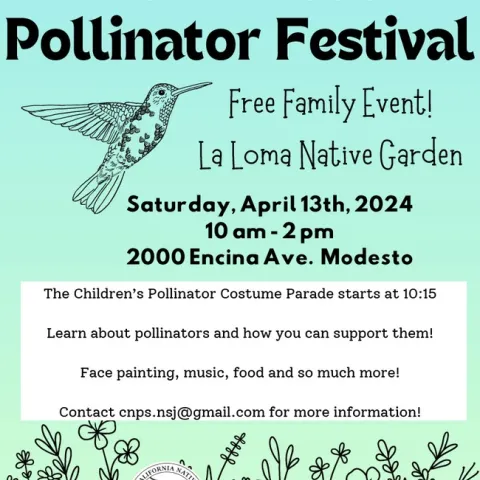
Poster with clipart of a hummingbird with date and time for festival.
The Stanislaus Sprout: Article

Pollinator Festival this Weekend, Rain or Shine!

April 11, 2024
By Anne E Schellman
Put on your rain gear and join us this Saturday, Saturday, April 13th 2024 from 10am 2pm at the Pollinator Festival. at the La Loma Pollinator Garden on 2000 Encina Avenue in Modesto. A pollinator parade starts at 10:15 a.m. so wear a costume and join in! Enjoy face painting, music, and more.
View Article
Primary Image
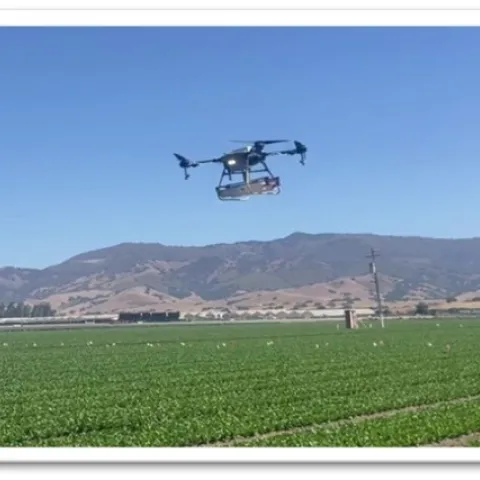
In-field drone release of green lacewing eggs and predatory mites
Salinas Valley Agriculture: Article

Predators by drone: Biological control research

April 11, 2024
By Mayra Cervantes
Two of the worst pests plaguing lettuce growers in the Salinas Valley area are aphids, specifically lettuce-currant aphids (Nasovonia ribisnigri), and western flower thrips (Frankliniella occidentalis).
View Article
Primary Image
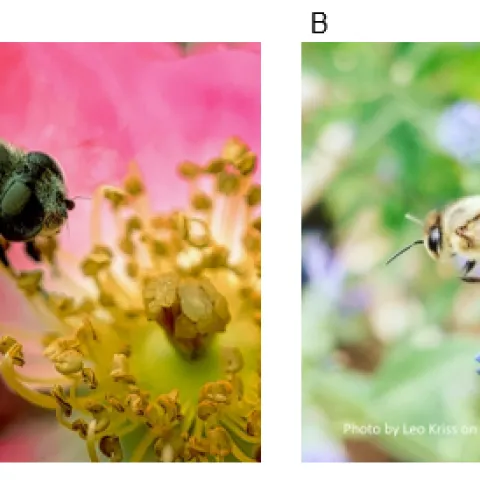
Two Flying insects on flowers pictures
The Coastal Gardener : Article

What's Bugging Me?

April 11, 2024
I can name that flying insect in 3 clues how about you? Match the clue to the insect's image. Place an X in the appropriate column. Resources: UC IPM, Syrphids (Flower Flies or Hover Flies) https://ipm.ucanr.edu/natural-enemies/syrphids/ University of Florida, European honey bee https://entnemdept.
View Article