A Natural Solution for California's Herds: African Catfish Peptides

California's cattle producers and agricultural communities are all too familiar with the rising challenge of antibiotic resistance, making common bacterial infections harder to treat in livestock. But imagine a future where we could tackle these infections with a natural, powerful alternative. Our research points to just that: antimicrobial peptides (AMPs) found in African catfish.

We're really excited about these peptides because African catfish thrive in pathogen-rich freshwater, naturally producing these robust immune compounds in their skin mucus as a defense. This natural origin makes them highly appealing alternatives to synthetic drugs.

Predicted Safety and Potent Action

One of the most compelling aspects of these AMPs is their predicted safety for mammals. Our initial computer analyses suggest that various catfish AMPs are generally recognized as safe (GRAS). We predict they'll be absorbed in the human intestine without causing liver, brain, or heart toxicity. Furthermore, lab tests on a promising peptide, NACAP-II, confirmed it was non-hemolytic, meaning it didn't damage rabbit red blood cells—a strong indicator of its potential safety for mammalian cells.

Beyond safety, these peptides demonstrate effectiveness against problematic bacteria. One study revealed NACAP-II's strong activity against Extended-Spectrum Beta-Lactamase (ESBL)-producing Escherichia coli—a critical concern for both animal and human health due to its resistance to many common antibiotics. Another peptide, ACAP-IV, also showed antibacterial activity against E. coli and Staphylococcus aureus. We believe these AMPs work by directly disrupting bacterial cell membranes, a mechanism that makes it harder for bacteria to develop resistance compared to how they resist traditional antibiotics.

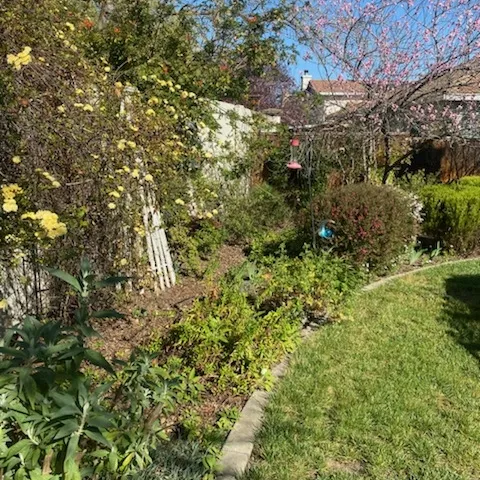
UC Master Gardeners of Merced County: Article

2024- 04 April Master Gardeners Public Newsletter

April 10, 2024
It's April and there are many community events to check out this month! In this issue, look for details on: Three local Garden Tours: Madera Master Gardeners (this Sat, April 13), Merced (Wed, April 17), and Le Grand (Wed, April 24).
View Article
Primary Image
DroneCamp logo
IGIS: Article

DroneCamp is back!

April 10, 2024
By Andy Lyons, Sean D Hogan
DroneCamp June 24-28, 2024 CSU Monterey Bay (plus virtual open) DroneCamp is a premiere five-day training program that covers everything you need to know to use drones for mapping and data collection.
View Article
Primary Image
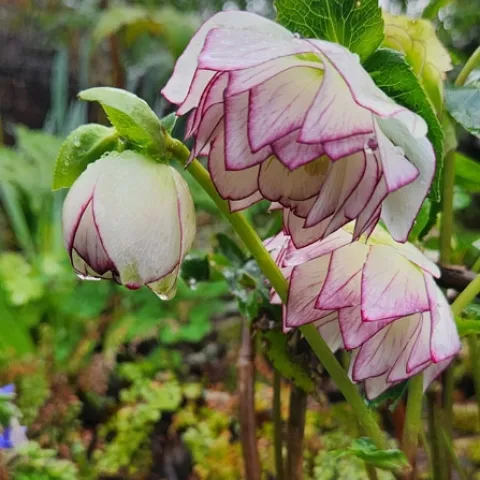
White Flower with pink edges
The Coastal Gardener : Article

Holy Helleborus! Is that a Lenten Rose?

April 10, 2024
Heleborus hybridus is a group of evergreen, late-winter or early-spring flowering perennials in the buttercup family (Ranunculaceae). Helleborus (hellebore) is a small genus of about 20 species of herbaceous perennials native to Europe and Asia.
View Article
Primary Image
photo by Mike Gunther
Under the Solano Sun: Article

Spring Miku

April 10, 2024
Spring blossoms full of color Super blooms beginning their show Spring fever, allergies and plant rebirth...
View Article
Kern County: Article

Kern UCCE/DWR Weekly Crop Water Use Report 04-08-2024

April 9, 2024
Please see below link to access "How To Use Weekly Crop Water Use (ET) Reports to Assist Farm Water Management" How to Use Weekly Crop Water Use Report Please see below link to access "Weekly ET Report 04-08-2024" ET Report 04-08-2024 Please see disclaimer link below: University of California Divisi...
View Article
Monterey County: Article

4-H Leader's Council Meeting April 16th, 2024

April 9, 2024
Dear members of the Monterey County 4-H Leaders Council, On Tuesday, April 16th the 4-H Leaders Council will hold its monthly meeting at 7pm. The meeting will be held at the Ag Conference center at 1432 Abbott St, Salinas. All clubs need to have a representative at the meeting.
View Article