A Natural Solution for California's Herds: African Catfish Peptides

California's cattle producers and agricultural communities are all too familiar with the rising challenge of antibiotic resistance, making common bacterial infections harder to treat in livestock. But imagine a future where we could tackle these infections with a natural, powerful alternative. Our research points to just that: antimicrobial peptides (AMPs) found in African catfish.

We're really excited about these peptides because African catfish thrive in pathogen-rich freshwater, naturally producing these robust immune compounds in their skin mucus as a defense. This natural origin makes them highly appealing alternatives to synthetic drugs.

Predicted Safety and Potent Action

One of the most compelling aspects of these AMPs is their predicted safety for mammals. Our initial computer analyses suggest that various catfish AMPs are generally recognized as safe (GRAS). We predict they'll be absorbed in the human intestine without causing liver, brain, or heart toxicity. Furthermore, lab tests on a promising peptide, NACAP-II, confirmed it was non-hemolytic, meaning it didn't damage rabbit red blood cells—a strong indicator of its potential safety for mammalian cells.

Beyond safety, these peptides demonstrate effectiveness against problematic bacteria. One study revealed NACAP-II's strong activity against Extended-Spectrum Beta-Lactamase (ESBL)-producing Escherichia coli—a critical concern for both animal and human health due to its resistance to many common antibiotics. Another peptide, ACAP-IV, also showed antibacterial activity against E. coli and Staphylococcus aureus. We believe these AMPs work by directly disrupting bacterial cell membranes, a mechanism that makes it harder for bacteria to develop resistance compared to how they resist traditional antibiotics.
Kern County: Article

On the Road in Kern County

April 4, 2024
The UC Davis Department of Viticulture and Enology Extension Team will be On the Road in Kern County on Wednesday, April 10th! See attached for agenda and registration link...
View Article
Colusa County: Article

April 2024

April 4, 2024
Ornamental Plant of the Month Japanese Forest Grass Gardens I Have Visited Ruth Bancroft Garden Gardeners Corner Catchweed Bedstraw Recipe of the Month Nigella Lawsons Roast Chicken Garden Guide Safety Notes...
View Article
Primary Image
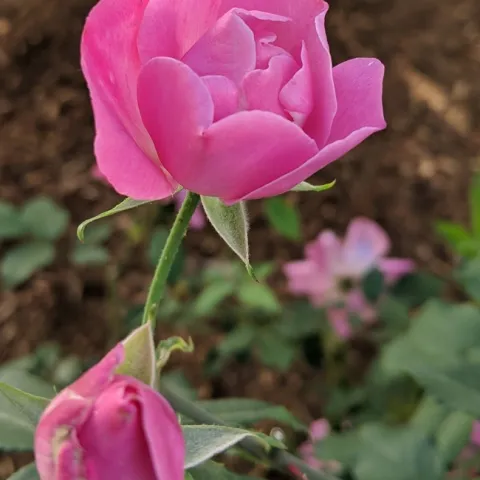
Rose named Alice Hamilton Pink Semidouble Antique Rose
Fresno Gardening Green: Article

Rosie's Corner: Strategies for managing rose pests

April 4, 2024
Bugs! Have you started getting them yet? I killed a couple of aphids the other day. The weather situation is perfect for their breeding. What is an aphid? They are little critters that can multiply very quickly and cause damage to your plants.
View Article
Primary Image
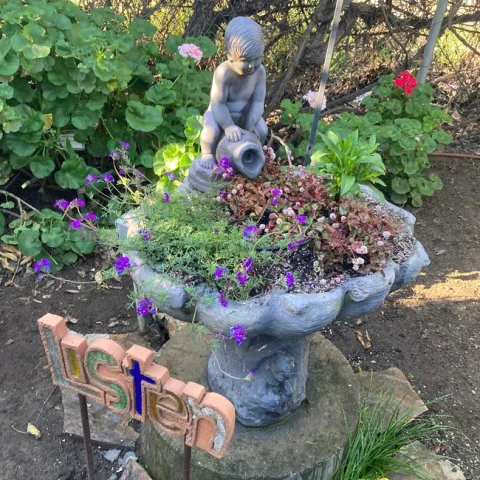
A fountain filled with perennial flowers.
Fresno Gardening Green: Article

This week in the garden: April 5 - 11

April 4, 2024
There is much beauty in the late spring gardens of the central San Joaquin Valley. Tasks Sometimes gardeners need to accept a small amount of pest damage to plants. Instead of trying to kill insects, learn which ones are beneficial and protect them by avoiding the use of synthetic insecticides.
View Article
Primary Image
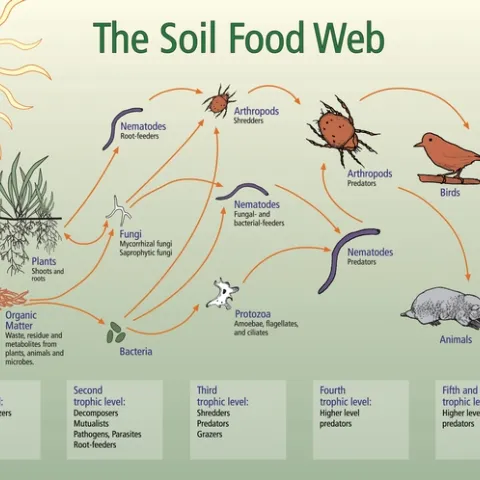
soil food web image
Topics in Subtropics: Article

Soil Health Assessment Report

April 4, 2024
By Ben A Faber
Soil Biodiversity in California Agriculture: Framework and Indicators for Soil Health Assessment Prepared by: California Department of Food and Agriculture Below Ground Biodiversity Advisory Committee Soil health depends on soil biodiversity.
View Article
Primary Image
A ceramic-mosaic sculpture, "Miss Beehaven," anchors the UC Davis Bee Haven. It is the work of self-described "rock artist" Donna Billick of Davis. (Photo by Kathy Keatley Garvey)
Bug Squad: Article

Celebrating the15th Anniversary of the UC Davis Bee Haven

April 3, 2024
By Kathy Keatley Garvey
The place to "bee" on Saturday, April 6 is the UC Davis Bee Haven. That's when the UC Davis Department of Entomology and Nematology will celebrate the 15th anniversary of its bee garden with an open house from 10 a.m. to noon. It's free and family friendly.
View Article
Primary Image
Snails on a plant
The Coastal Gardener : Article

Winter Weeds, Slugs and Snails Are Doing Great

April 3, 2024
Flowers and veggies lingered in my garden this year, encouraged by the mild autumn weather. Then came the holidays, followed by rain. So much for Fall garden tasks and cleanup chores.
View Article
Primary Image
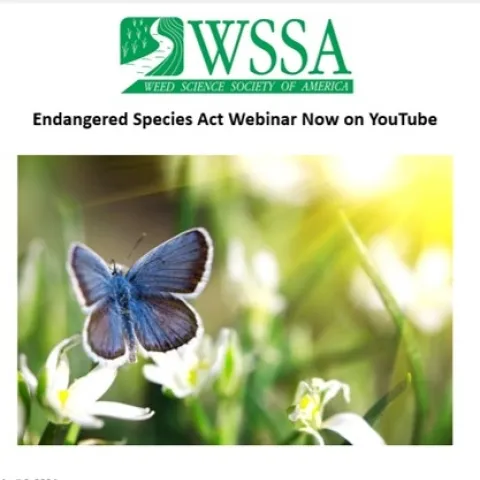
WSSA ESA image
UC Weed Science (weed control, management, ecology, and minutia): Article

Webinar on how pesticide labels may change to protect endangered species

April 3, 2024
By Brad Hanson
Although many of you are already well aware of the upcoming changes to pesticide labels related to the Endangered Species Act, many are not. A quick background can be found in a Weed Science Society of America (WSSA) press release from last year (link here).
View Article
Primary Image
20240403 3rd report table
Thrips/TSWV status in Yolo & Colusa: Article

2024 3rd report (April 3)

April 3, 2024
By Patricia A Lazicki
General situation, thrips population development Temperatures and precipitation this spring are close to historic norms, and the thrips population predictions remain similar to last update. We're currently at the peak of 1st-generation adults; they'll be laying their eggs over the next few weeks.
View Article