A Natural Solution for California's Herds: African Catfish Peptides

California's cattle producers and agricultural communities are all too familiar with the rising challenge of antibiotic resistance, making common bacterial infections harder to treat in livestock. But imagine a future where we could tackle these infections with a natural, powerful alternative. Our research points to just that: antimicrobial peptides (AMPs) found in African catfish.

We're really excited about these peptides because African catfish thrive in pathogen-rich freshwater, naturally producing these robust immune compounds in their skin mucus as a defense. This natural origin makes them highly appealing alternatives to synthetic drugs.

Predicted Safety and Potent Action

One of the most compelling aspects of these AMPs is their predicted safety for mammals. Our initial computer analyses suggest that various catfish AMPs are generally recognized as safe (GRAS). We predict they'll be absorbed in the human intestine without causing liver, brain, or heart toxicity. Furthermore, lab tests on a promising peptide, NACAP-II, confirmed it was non-hemolytic, meaning it didn't damage rabbit red blood cells—a strong indicator of its potential safety for mammalian cells.

Beyond safety, these peptides demonstrate effectiveness against problematic bacteria. One study revealed NACAP-II's strong activity against Extended-Spectrum Beta-Lactamase (ESBL)-producing Escherichia coli—a critical concern for both animal and human health due to its resistance to many common antibiotics. Another peptide, ACAP-IV, also showed antibacterial activity against E. coli and Staphylococcus aureus. We believe these AMPs work by directly disrupting bacterial cell membranes, a mechanism that makes it harder for bacteria to develop resistance compared to how they resist traditional antibiotics.
UC Master Gardener Program of Riverside County: Article

Garden Views, 2024.03 - Mar/Apr 2024

April 3, 2024
In this issue: Jolene Hancock celebrates Annual Riverside County Fair and National Date Festival; Ann Platzer describes the California Tortie butterfly; Jill Hishmeh updates the Training Program; Darrilyn Erickson invites us to the Riverside Community Flower Show and Garden Tour; Grow Lab Plant Sale...
View Article
The Coastal Gardener : Article

Winterize Your Garden

April 3, 2024
Winter is here. Put your garden to bed for winter and prepare your garden for the dropping temperatures and wet season. Here are tips from the University of California Cooperative Extension Master Gardeners. General Tasks Compost: Turn compost and keep it as moist as a wrung-out sponge.
View Article
Primary Image
Visit the UC IPM Seasonal Landscape IPM Checklist for a list of pest prevention activities for each month.
Pests in the Urban Landscape: Article

April Pest Prevention Tips

April 3, 2024
By Lauren Fordyce
Spring is here and if you are like us, you can't wait to get outside and see how your plants and garden are doing! As usual, UC IPM has useful tips for the month of April to prevent pests in the garden and landscape.
View Article
Primary Image
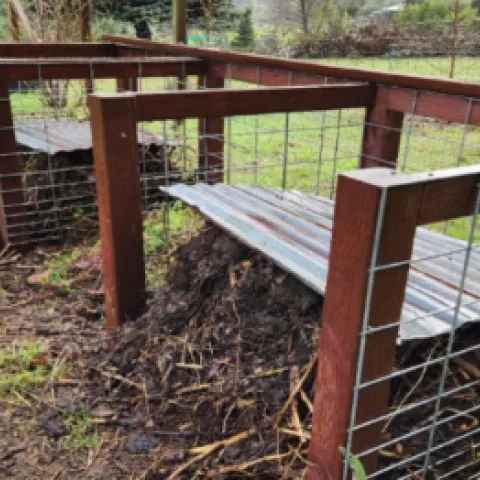
Compost bin
The Coastal Gardener : Article

It's Alive! The Wonder of 'Hot' Composting

April 3, 2024
Starting a compost pile in winter may not be at the top of your to-do list, but it may be just the thing you need to beat the winter doldrums. Your reward will be soil that is more fertile, supporting bigger and heather plants in next summer's garden.
View Article
Primary Image
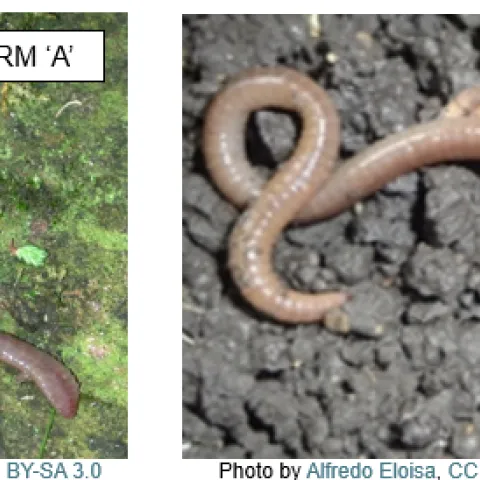
Two images of worms
The Coastal Gardener : Article

What's Bugging Me?

April 3, 2024
I Can Name That Worm in Four Clues How About You? Match the clue to the Worm's Image. Place an X in the appropriate column. Worm 'A'Earthworm, nightcrawler, Lumbricus terrestris, is one of over 2,700 varieties of earthworms.
View Article
UC Master Gardener Program of Contra Costa County: Article

The Great Tomato Plant Sale Starts with a Single Seed!

April 3, 2024
by Liz Rottger Well, actually, with more than 35,000 seeds! Thats how many plants the UC Master Gardeners of Contra Costa are propagating for their Great Tomato Plant Sale that will be held in 3 county areas (Walnut Creek, Antioch, and Richmond) this year.
View Article
UC Master Gardener Program of Contra Costa County: Article

How to Choose the Best Tomato for your Garden

April 3, 2024
produced by our UCMGCC Communications Team You are in for a real treat! Our Communications Team has produced a few short videos on choosing and successfully growing tomatoes in Contra Costa County. Watch the video on Heirloom vs. Hybrid Tomatoes Watch the video on Determinate vs.
View Article
UC Master Gardener Program of Contra Costa County: Article

How to Choose the Best Tomato for your Garden

April 3, 2024
produced by our UCMGCC Communications Team You are in for a real treat! Our Communications Team has produced a few short videos on choosing and successfully growing tomatoes in Contra Costa County. Watch the video on Heirloom vs. Hybrid Tomatoes Watch the video on Determinate vs.
View Article
Primary Image
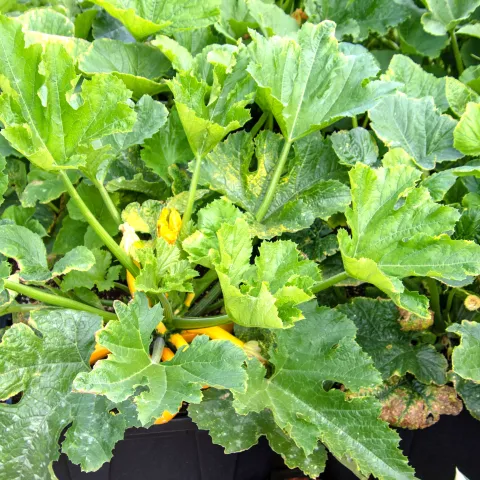
Yellow Squash producing in container on deck. Photo courtesy of Shutterstock
UC Master Gardener Program of Contra Costa County: Article

Growing Cucumbers and Squash in Containers for Small Spaces Gardening

April 3, 2024
by David George One of the most popular veggie families besides tomatoes at our annual Great Tomato Plant Sale are the Cucurbits, which include cucumbers, squash, and pumpkins. Growing cucurbits, whether in-ground or in a container, is a breeze and very rewarding.
View Article
Primary Image
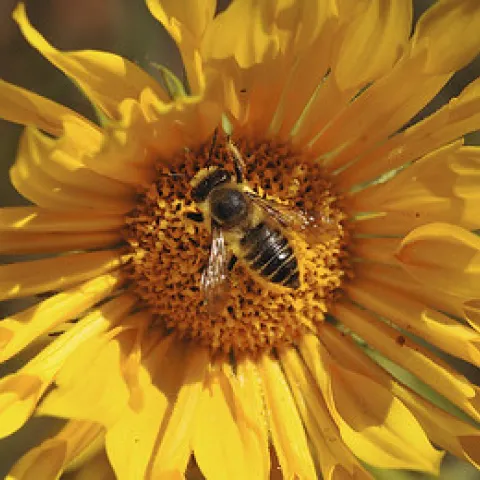
Leaf Cutter Bee On Sunflower. Photo courtesy of TJ Gehling.
UC Master Gardener Program of Contra Costa County: Article

Our Veggies need our Pollinators

April 3, 2024
by Laurinda Ochoa Its about that time of year! We purchased healthy tomato plants and other vegetables at the UC Master Gardeners of Contra Costa County Great Tomato Plant Sale.
View Article