A Natural Solution for California's Herds: African Catfish Peptides

California's cattle producers and agricultural communities are all too familiar with the rising challenge of antibiotic resistance, making common bacterial infections harder to treat in livestock. But imagine a future where we could tackle these infections with a natural, powerful alternative. Our research points to just that: antimicrobial peptides (AMPs) found in African catfish.

We're really excited about these peptides because African catfish thrive in pathogen-rich freshwater, naturally producing these robust immune compounds in their skin mucus as a defense. This natural origin makes them highly appealing alternatives to synthetic drugs.

Predicted Safety and Potent Action

One of the most compelling aspects of these AMPs is their predicted safety for mammals. Our initial computer analyses suggest that various catfish AMPs are generally recognized as safe (GRAS). We predict they'll be absorbed in the human intestine without causing liver, brain, or heart toxicity. Furthermore, lab tests on a promising peptide, NACAP-II, confirmed it was non-hemolytic, meaning it didn't damage rabbit red blood cells—a strong indicator of its potential safety for mammalian cells.

Beyond safety, these peptides demonstrate effectiveness against problematic bacteria. One study revealed NACAP-II's strong activity against Extended-Spectrum Beta-Lactamase (ESBL)-producing Escherichia coli—a critical concern for both animal and human health due to its resistance to many common antibiotics. Another peptide, ACAP-IV, also showed antibacterial activity against E. coli and Staphylococcus aureus. We believe these AMPs work by directly disrupting bacterial cell membranes, a mechanism that makes it harder for bacteria to develop resistance compared to how they resist traditional antibiotics.
Primary Image
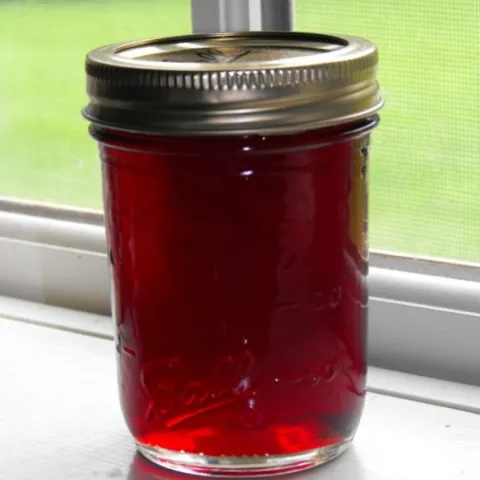
Strawberry Jelly
Preservation Notes - San Joaquin Master Food Preservers: Article

Jams, Jellies and Marmalades...Oh My!

March 31, 2024
By Marceline D Sousa
As spring breathes new life into orchards and gardens, it's the perfect time to harness the abundance of fresh fruits for homemade jams and jellies.
View Article
UC Master Gardener Program Statewide Blog: Article

Gardeners With Heart: Growing Food and Communities

March 31, 2024
By Barbra Braaten
Watch the video on YouTube here. In celebration of National Volunteer Month, we are thrilled to spotlight a remarkable group of UC Master Gardener volunteers nominated for their outstanding contributions to food gardening and food access initiatives in their communities.
View Article
Primary Image
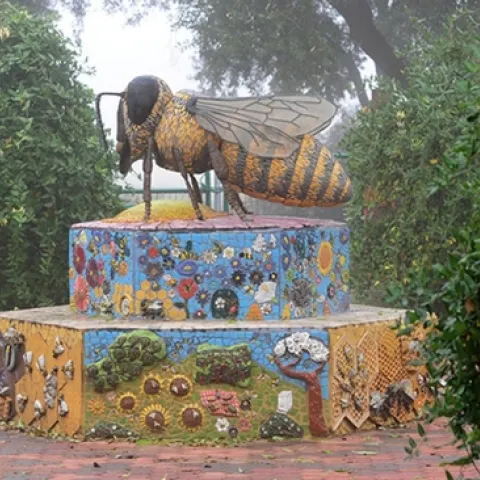
Miss Bee Haven, a ceramic-mosaic sculpture by self-described "rock artist" Donna Billick of Davis, anchors the UC Davis Bee Haven. This image was taken in 2012. (Photo by Kathy Keatley Garvey)

Archived News, March 2024

March 31, 2024
By Kathy Keatley Garvey
Archived News for month of March 2024 from the UC Davis Entomology and Nematology website, Bond Lab Research Paper Calls Attention to Diversity of California's Trapdoor Spiders Tule and Cattail: A Tale of the Marsh Economy and Its Role in Human Health and Wellbeing UC Davis Students Fuse Art and Sci...
View Article
Primary Image
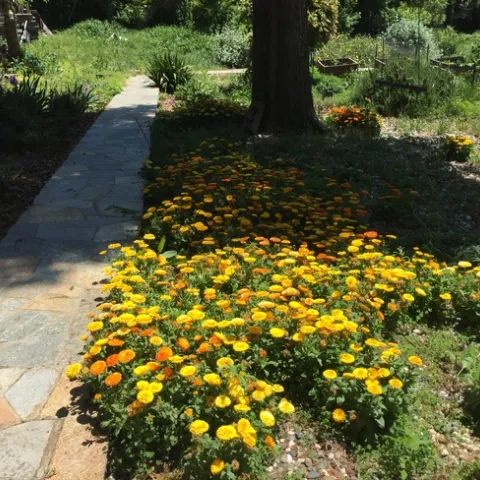
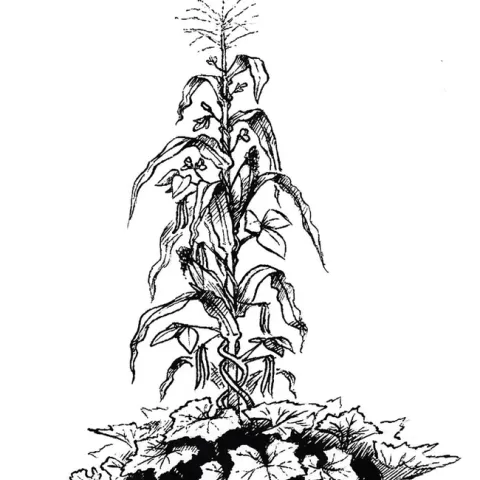
Calendula Ground Cover
Spill the Beans: Article

Calendula Ground Cover

March 31, 2024
I know that this might sound strange to you, but today, March 20th, the first full day of spring, I was admiring the various types of weeds and wildflowers that are popping up in my garden. It reminds me of the quote, Weeds are flowers too, once you get to know them.-A.A.Milne.
View Article
Primary Image
garden-3277053 1280 Pixabay
Napa Master Gardener Column: Article

Sharpening your tools and old bones for gardening

March 30, 2024
Gardening provides lots of benefits to the gardener: great exercise, fresh air, and the personal satisfaction of beautifying the landscape. For me, gardening has been a lifelong hobby, but as I age, my body complains about it. I can't garden for hours as I once did.
View Article
Primary Image
image001
Bug Squad: Article

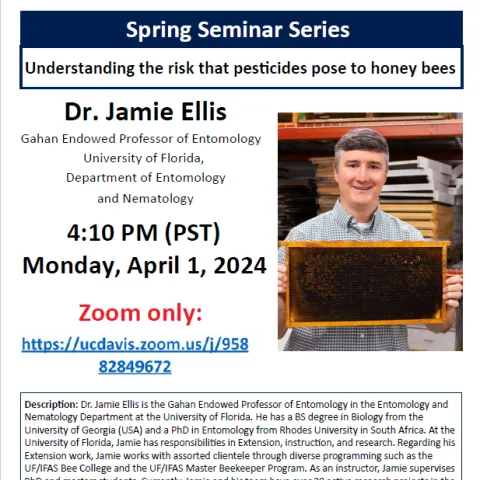
Don’t Miss This Seminar on Pesticides and Honey Bees

March 29, 2024
By Kathy Keatley Garvey
Noted bee scientist Jamie Ellis, a University of Florida professor, will speak on "Understanding the Risks that Pesticides Pose to Honey Bees" at a UC Davis seminar at 4:10 p.m., Monday, April 1. This is a zoom seminar.
View Article